by Christopher Hall
How far does Trump’s bad taste go towards explaining his presidency? A long way, thinks Paul Krugman: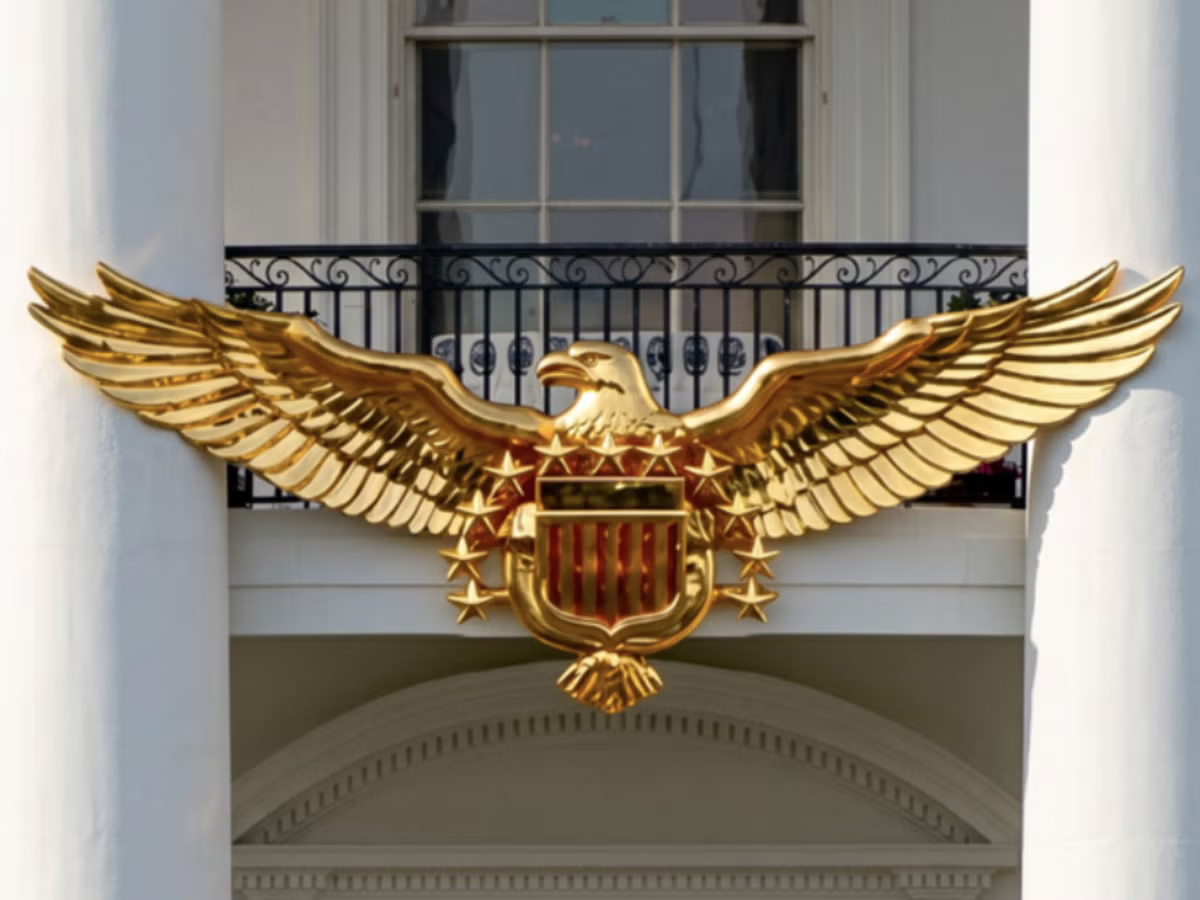
…is it any surprise that Trump is turning the White House into Mar-a-Lago North?
This is all deeply alien to American tradition. Washington DC is a city full of grand monuments and impressive public buildings. Yet the style of these monuments and public buildings is generally one of restrained neoclassicism meant to evoke the Roman Republic – an ideal of a republic of equals reflected in law and norms as well as architecture. Anything approximating the Louis XIV style of Trump would have been considered monarchical and autocratic by the Founding Fathers.
So the ballroom is a sign, not just of Trump’s personal vulgarity, but of the collapse of small-r republican norms. Trump is turning the people’s house into a palace fit for a despot partly because that’s his taste, but also to show everyone that he can. L’etat, c’est moi.
Are we still convinced that “restrained neoclassicism” and “American tradition” are closely aligned? The neoclassicism of the 18th century which informed the design of Washington DC most certainly advocated for refinement and restraint – or, more commonly, noted their absence. The “Timon’s Villa” episode of Pope’s Epistle of Burlington is a dissection of taste gone wrong, even as it is deployed by an aristocrat:
At Timon’s villa let us pass a day,
Where all cry out, “What sums are thrown away!”
So proud, so grand of that stupendous air,
Soft and agreeable come never there.
Greatness, with Timon, dwells in such a draught
As brings all Brobdingnag before your thought.
To compass this, his building is a town,
His pond an ocean, his parterre a down:
Who but must laugh, the master when he sees,
A puny insect, shiv’ring at a breeze!
Lo, what huge heaps of littleness around!
The whole, a labour’d quarry above ground.
Bigness, of course, is at the centre of the Trump aesthetic, but such measurements are a matter of perspective. Big and small, high and low; whatever categories are manipulated or inverted were never firm in the first place. Fintan O’Toole has recently written about this matter of perspective in Trump’s America, using Gulliver’s Travels by Pope’s friend Swift as a jumping-off point:
…we return to a neurotic form of politics in which, like Gulliver, citizens are made to hover between the poles of massive aggrandizement and utter mortification. These opposites come as a package; they must be experienced together. The great leader costs the people imaginatively down into the pit of abjection so that he (and only he) can lift them up into hyperinflated greatness. He does so because he has nothing to offer in between: no betterment, no dignity, no equality.
Trump elevates the degraded and degrades elevation; the point is not to bring the values of “the people” into the regions of decorous authority, but to dismantle the very idea of authority itself. Read more »
 Do universities need to foster more intellectual diversity among professors? Should there be





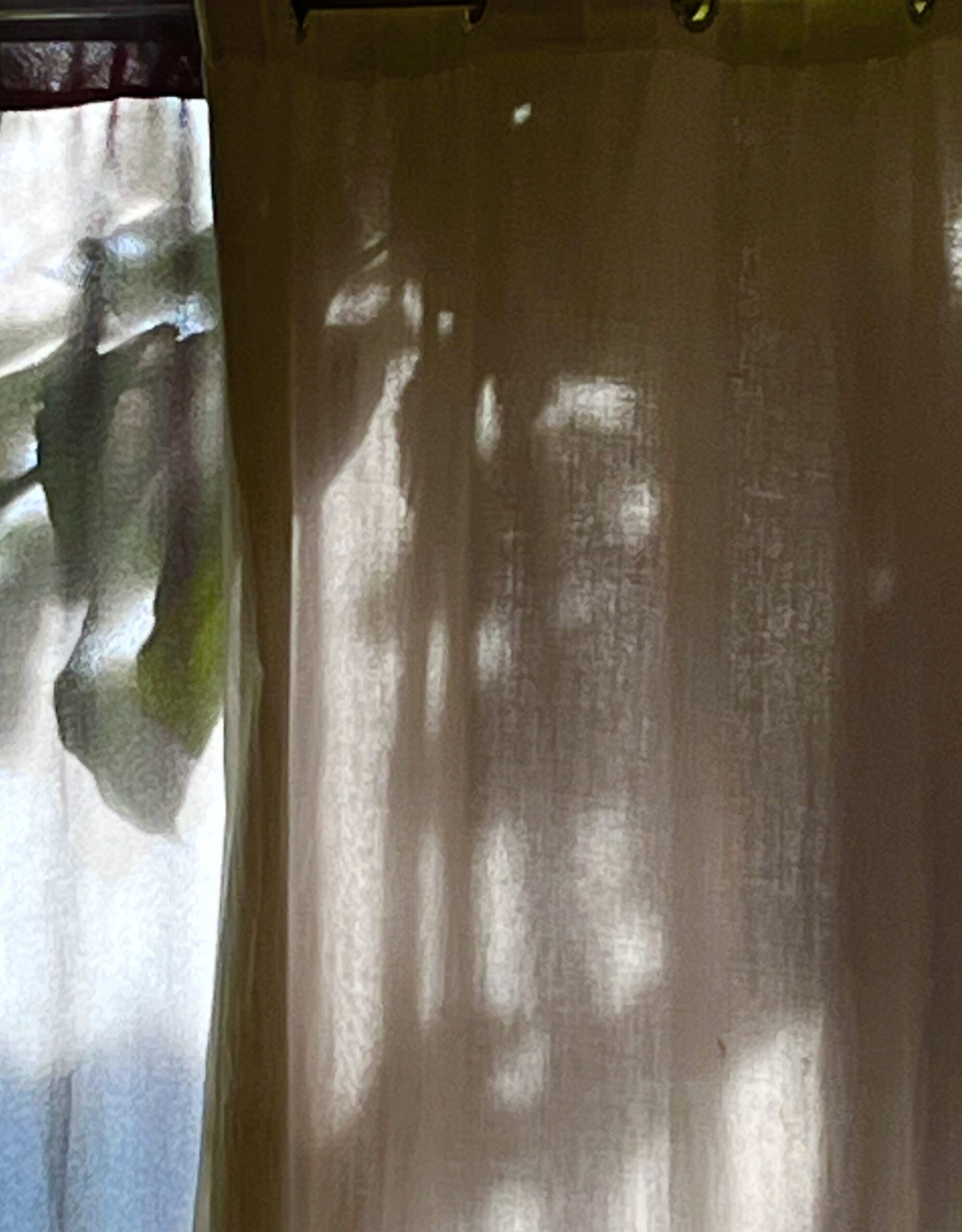 Sughra Raza. Waking Up In Butaro, November 2023.
 Now that Americans are celebrating the 250th anniversary of the Declaration of Independence, it is worth visiting its metaphysical foundations. Many don’t talk about “the metaphysics of the Declaration of Independence.” But the story about where this metaphysics has taken America and where it could take it can be both inspiring and surprisingly alarming.
 This Fourth of July I find myself feeling more patriotic than I have in years. That may strike many people as strange, even tone-deaf, given the political moment we are living through. I understand the reaction. Yet the feeling is genuine, and it rests on two convictions that have only grown stronger over the two decades I have lived in this country.