The Literature of Limits: The West (Part I)

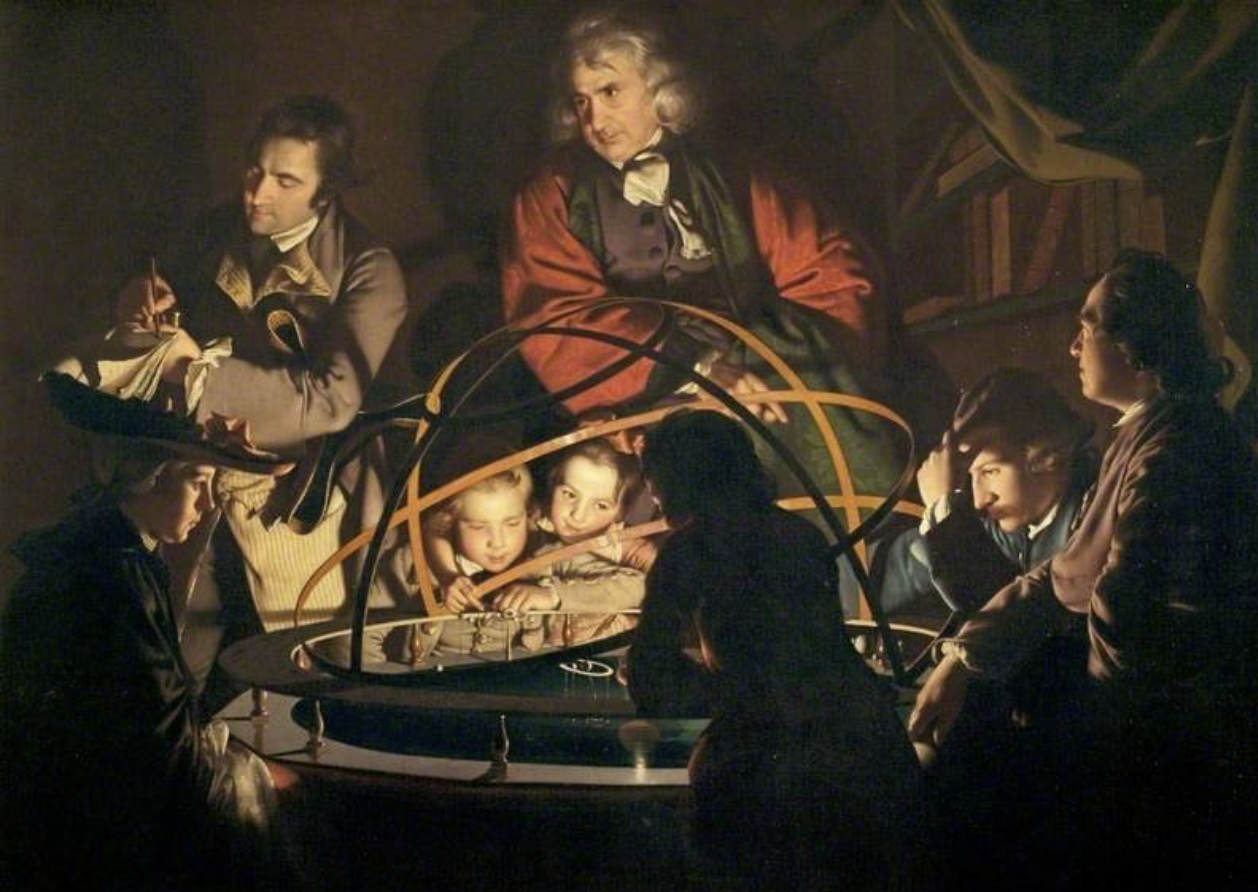
by Muhammad Aurangzeb Ahmad Every civilization eventually reaches the edge of its own understanding. The Enlightenment, which was basically a grand project of faith in reason, sought to replace the mysteries of revelation with the lucidity of thought. It promised that disciplined rationality could illuminate every corner of existence. It was thought that that through…

AI before AI: Prehistory of Artificial Minds

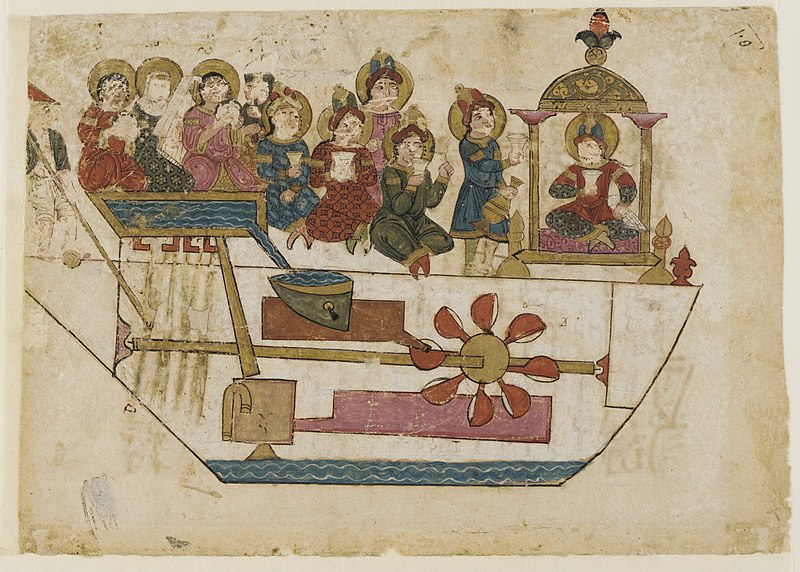
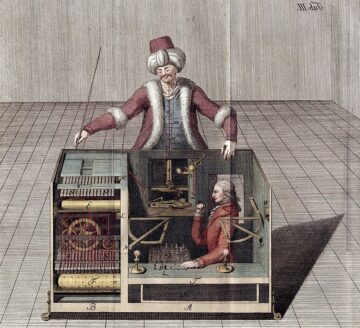
by Muhammad Aurangzeb Ahmad Artificial intelligence is generally conceptualized as a new technology which goes back only decades. In the popular imagination, at best we stretch it back to the Dartmouth Conference in 1956 or perhaps the birth of the Artificial Neurons a decade prior. Yet the impulse to imagine, build, and even worry over…

The Gospel According to GPT: Promise and Peril of Religious AI

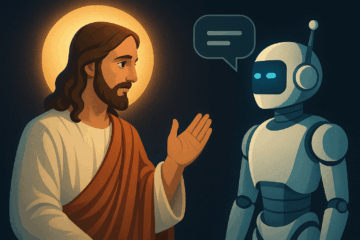
by Muhammad Aurangzeb Ahmad In recent years chatbots powered by large language models have been slowing moving to the pulpit. Tools like QuranGPT, Gita GPT, Bud­dha­bot, MagisteriumAI, and AI Jesus have sparked contentious debates about whether machines should mediate spiritual counsel or religious interpretation:  Can a chatbot offer genuine pastoral care? What happens when we…

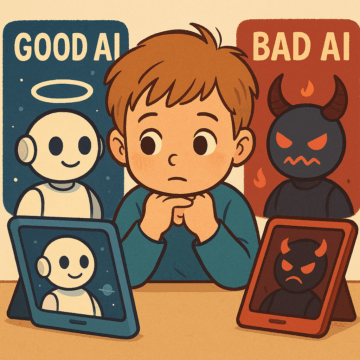
AI Is Talking to Your Children And It Isn’t Always Safe

by Muhammad Aurangzeb Ahmad When the internet first entered homes in the 1990s, parents worried about their children stumbling onto inappropriate websites, being targeted in online chatrooms, or spending endless hours glued to screens. Schools held workshops about “stranger danger” online, and families installed early filters to keep kids safe. Those concerns were real, but…

When Your Girlfriend Is an Algorithm (Part 2)

by Muhammad Aurangzeb Ahmad The first part of the series highlighted the historical moment that we are currently living in, how bots are invading the most intimate parts of human relationships. If it was digital transformation of society that enabled loneliness as a mass-phenomenon, then AI is now in a position to monetize loneliness. AI…

When Your Girlfriend Is an Algorithm (Part 1)

by Muhammad Aurangzeb Ahmad In the early 2000s, a curious phenomenon emerged in Japan: some grown men began forming intimate relationships with inanimate pillows bearing images of anime girls, a phenomenon known as “2-D love.” When I first encountered this phenomenon, I wondered if people could grow emotionally attached to two-dimensional printed images, how much…

Confabulation Machines: Could AI be used to create false memories?

by Muhammad Aurangzeb Ahmad You are scrolling through photos from your childhood and come across one where you are playing on a beach with your grandfather. You do not remember ever visiting a beach but chalk it up to the unreliability of childhood memories. Over the next few months, you revisit the image several times.…

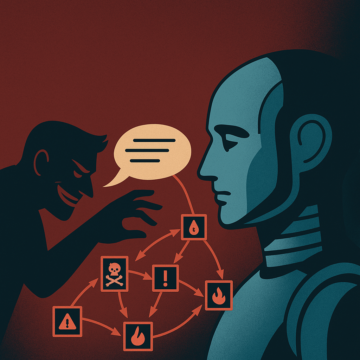
Whispers in Code: Grooming Large Language Models for Harm

by Muhammad Aurangzeb Ahmad Around 2005 when Facebook was an emerging platform and Twitter had not yet appeared on the horizon, the problem of false information spreading on the internet was starting to be recognized. I was an undergrad researching how gossip and fads spread in social networks. I imagined a thought experiment where there…

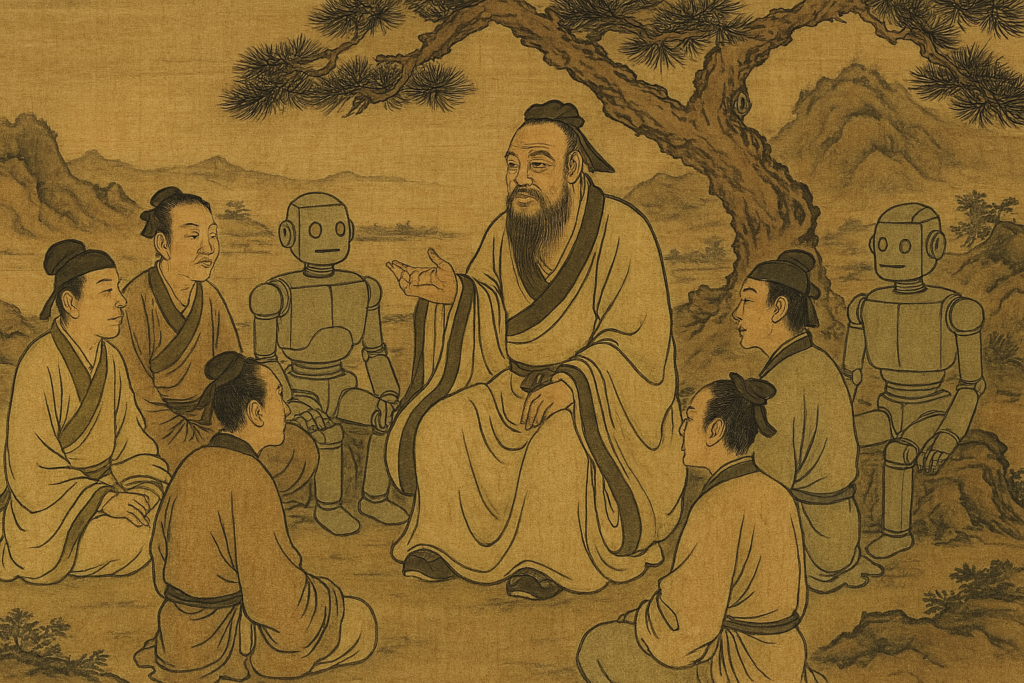
Benevolence Beyond Code: Rethinking AI through Confucian Ethics

by Muhammad Aurangzeb Ahmad The arrival of DeepSeek’s large language model sent shockwaves through Silicon Valley, signaling that—for the first time—a Chinese AI company might rival its American counterparts in technological sophistication. Some researchers even suggest that the loosening of AI regulation in the West is, in part, a response to the competitive pressure DeepSeek…

Should AI Speak for the Dying?

by Muhammad Aurangzeb Ahmad Everyone grieves in their own way. For me, it meant sifting through the tangible remnants of my father’s life—everything he had written or signed. I endeavored to collect every fragment of his writing, no matter profound or mundane – be it verses from the Quran or a simple grocery list. I…

Data Science and 2016 Presidential Elections

by Muhammad Aurangzeb Ahmad Much has already been written about the failure of data science in predicting the outcome of the 2016 US election but it is always good to revisit cautionary tales. The overwhelming majority of the folks who work in election prediction including big names like New York Times' Upshot, Nate Silver's FiveThirtyEight…

Do the Right Thing and leave Judgment to Algorithms

by Muhammad Aurangzeb Ahmad In Islamic theology it is stated that for each human being God has appointed two angels (Kiraman Katibin) that record the good and the bad deeds that a person commits over the course of lifetime. Regardless of one’s belief or disbelief in this theology, a world where our deeds are recorded…

Modeling Artificial and Real Societies

by Muhammad Aurangzeb Ahmad Science Fiction literature is fraught with examples of what-ifs of history which speculate on how the would have looked like if certain events had happened a different way e.g., if the Confederates had won the American Civil War, if the Western Roman Empire had not fallen, if Islam had made inroads…

Algocracy: Outsourcing Governance to Algorithms

by Muhammad Aurangzeb Ahmad In the late 17th century Gottfried Leibniz conceived of a machine that could be used to settle arguments so that instead of arguing people will just settle dispute by saying “let us calculate.” On closer inspection this idea has an uncanny resemblance to deciding disputes by delegating the decisions to algorithms.…

The Past of Islamic Civilization

by Muhammad Aurangzeb Ahmad “Those who control the present, control the past and those who control the past control the future.” ― George Orwell, 1984 These days every other person seems to be concerned about the future of Islamic Civilization. From the Islamists, the traditionalists, the Liberals, the Conservatives etc. almost everyone seems to have…