by Swapna Liddle
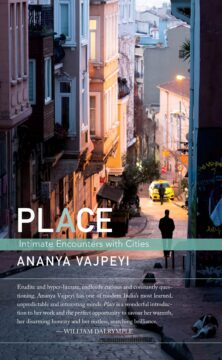 What makes a city? What gives a place its distinct character? I think of the slogan ‘dilwalon ki dilli’ – the supremely banal play on words. It works in the context of Delhi only because of a happy conjunction of the word dil, or heart, with the Hindi word for the city – ‘Dilli’. It works also because it simultaneously tells us everything and nothing. Okay, people in Delhi have hearts; though this might be disputed by many who live precarious lives in this city, the marginalized, the victims of the violence the state and citizens alike often perpetrate on them. In any event, do people in other cities not have large hearts? Still, it is a catchphrase that makes those of us who live in the city feel good about ourselves. As Delhi’s most famous poet would have said, “dil ke khush rakhne ko Ghalib yeh khayal achchha hai” – it is a thought that keeps us happy.
Among such cliches about cities, Ananya Vajpeyi’s Place comes not so much as a breath of fresh air (another banality that I might myself have been tempted to use at another time!), but a rather stronger wind that carries away not just cobwebs, but also the superficial structures through which we think. An apt metaphor for the latter would be the many large, obtrusive, signs that sprouted around many Delhi neighbourhoods some time ago – ‘I ♥️ –––‘. Civic pride reduced to garish ‘selfie points’ in the absence of any real improvement in infrastructure and any transformation in the everyday lives of the people who live there. Another in a series of sarkari ‘beautification’ projects that are supremely ugly.
Clearing away the superficialities, Ananya shows us some familiar cities through a lens that is deeply personal and yet reaches into the essence of the place. Place, subtitled ‘intimate encounters with cities’ reminds us that the cities we inhabit are about the people we meet, the particular streets we walk in, the literature we read, and our own place within these large and diverse agglomerations of people and experiences. New York, Bangalore, Istanbul, Pune, Venice, Santiniketan, Chennai, Amsterdam, Mumbai, Varanasi, and Delhi, are places that figure in Ananya’s narrative. Each, inhabited and experienced at different points of times – in the author’s lifetime, but also at specific historical moments for that city and the world. Read more »
 For about 450 years, the western European colonial powers shit all over the world in spectacular fashion. Genocide across the Americas and the trans-Atlantic slave trade were the main drivers during the first phase. By the mid-19th century, European colonialism was approaching its bloody apogee with more genocide in Australia, the carving up of much of Asia, and eventually the scramble for Africa.
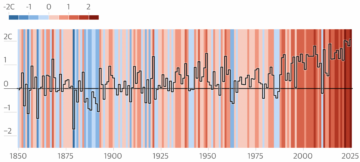 A recent
 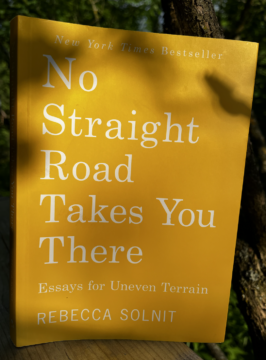 I always enjoy Rebecca Solnit’s writing, and her 2025 book,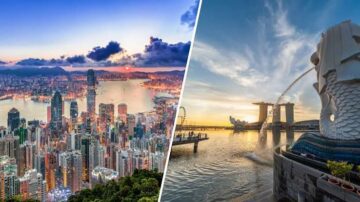

 On June 27, 2026, the hottest day recorded to date in Berlin, I emerged from the meagre shade of St. Hedwig’s Cathedral to make a run for it across Bebelplatz, on Unter den Linden in the city’s Baroque center. I had resolved to brave the punishing late-afternoon sun for a souvenir photograph of the skylight set into the middle of the square, which offers a view down into “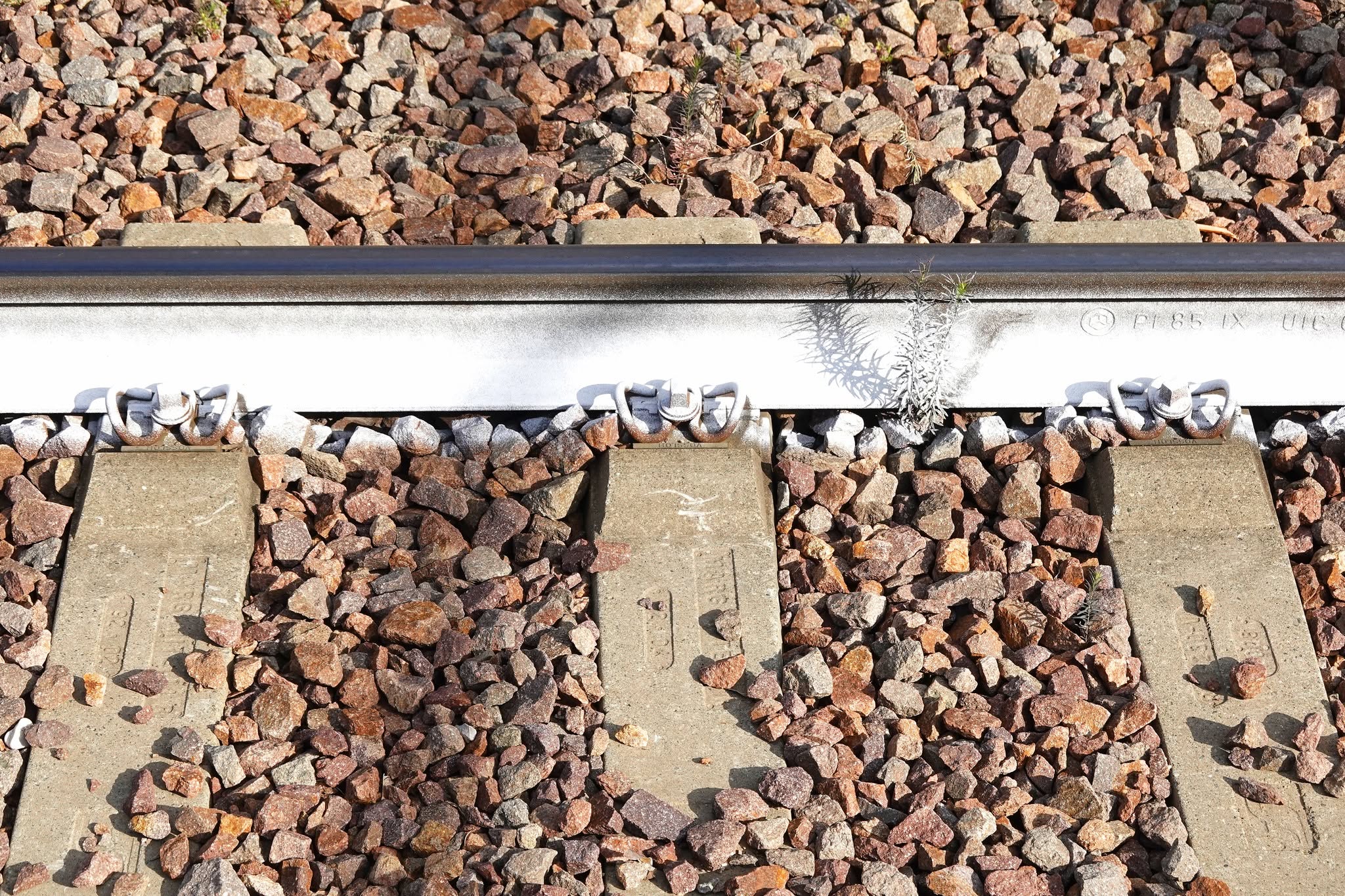


 Instruct the Department of Justice to issue guidance clarifying the proper understanding of the Establishment Clause and separation of church and state.
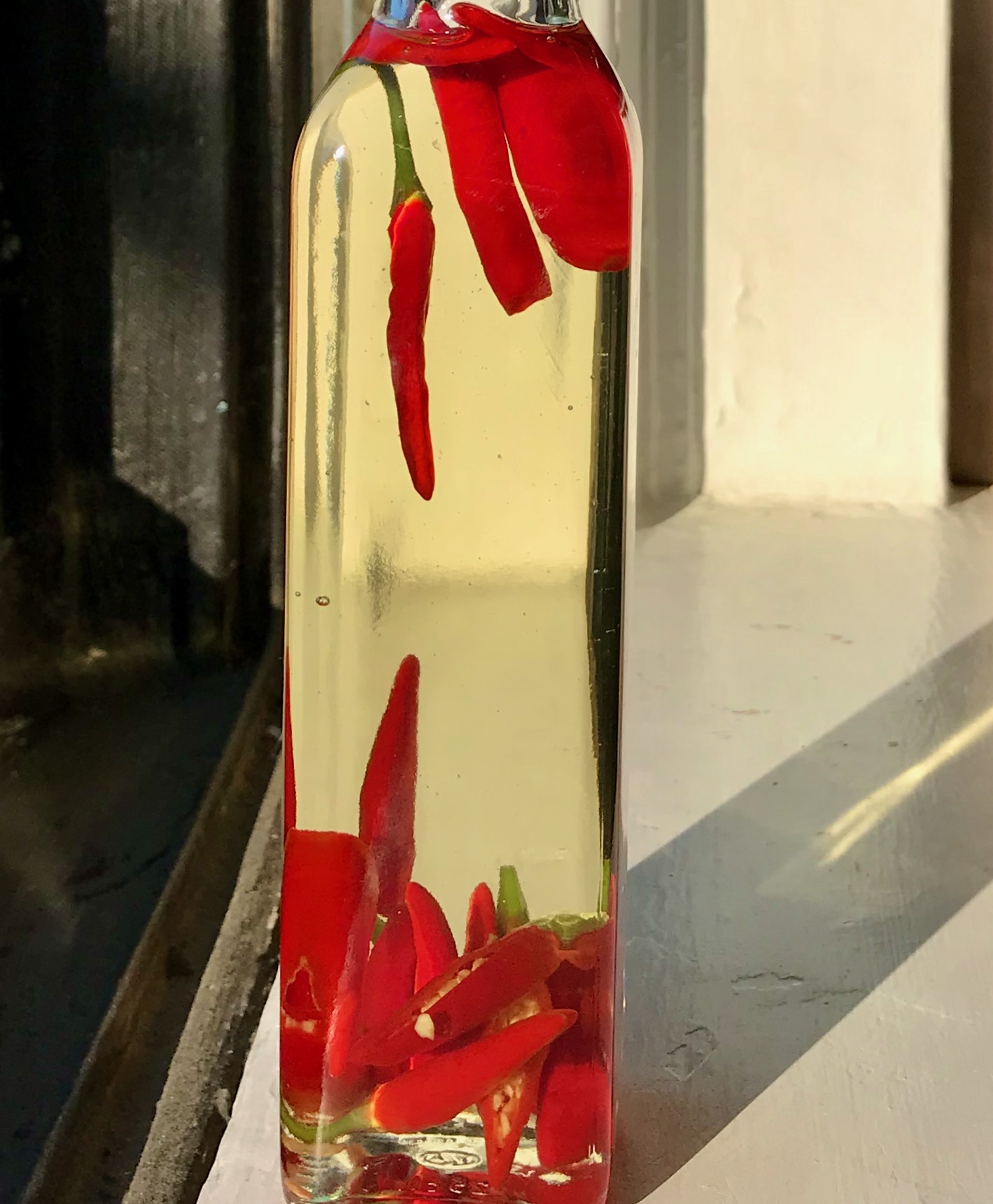 Sughra Raza. Chilly Morning, Boston, 2020.