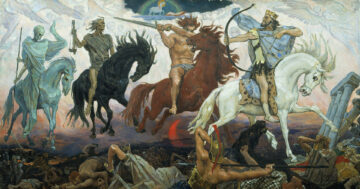
by David Hoyt
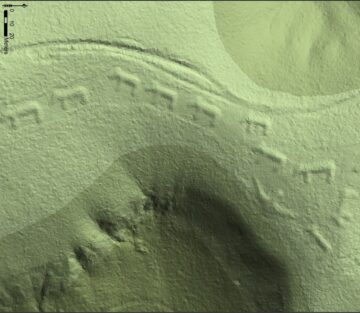
For most of history, humans have experienced the world as a collective of various agents, many of which were, and are not, human. These agents, typically conceived of as persons, inhabited the things of the world – trees, and rivers, animals, mountains and weather. Together they animated the universe. Their collaboration has been necessary for all of the great undertakings and everyday routines of life on Earth. The involvement of the human with the non-human has ensured the continuing, balanced order of the world for all participants – the recurrence of animal migrations, the flourishing of game, and the success of the harvest.
The recently deceased, American anthropologist Marshall Sahlins (1930-2021) proposed the term metaperson to describe these agents which an older anthropology was inclined to label using dismissive terminology particular to Western religious history, such as spirits, gods, and ghosts, all subjects of myth and superstition, and all denizens of the realm of the supernatural. It is tempting to look at such collectives of persons and metapersons as so many forms of contract between the human and the non-human far exceeding our own in their composition. One need not push the analogy too far to note the contrast between the collectives described by Sahlins, and the strictly human state of nature presumed to lie at the root of modern theories of a social contract grounded on natural law. To paraphrase Nietzsche, our own communities have only ever been human, all too human.
Anthropology long ago resolved to retain the idea of a state of nature and its corollary of natural law as helpful legal fictions. Not so with the category of personhood, which has been jealously preserved as a fundamental attribute of humans, around which a cluster attributes – such as reason, intentionality, consciousness – work to authorize relations among humans and non-humans. By demonstrating just how unusual this restricted conception of personhood is in the broad sweep of human experience, Sahlins developed a way of describing the majority of societies in terms more appropriate to their own experience. At the same time, by criticizing the restricted notion of personhood, he questioned a categorical distinction at the basis of anthropology, of the human sciences, and the scientific enterprise itself: that between Nature and Culture.
Whatever we mean when we use the term Nature, it did not exist before the early 17th century, and has had no equivalent in cosmologies elsewhere. Read more »
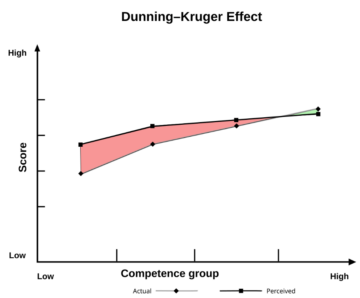
 The Debunking Handbook, 2020,
 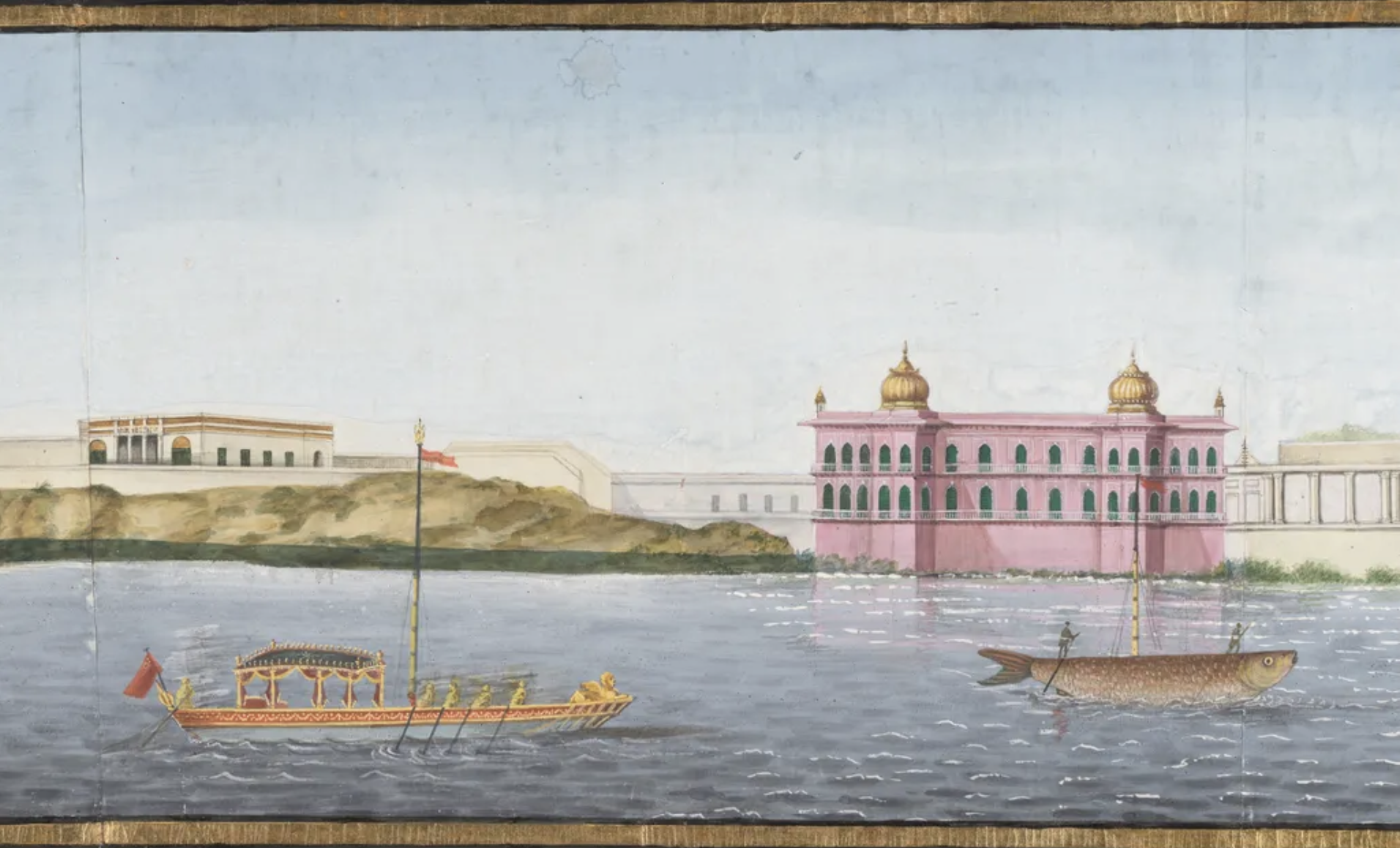 Artist not known. Panorama of Lucknow From The Gomti, 1821-1826. (Detail from a scroll 31 cm x 1128 cm.)






 On Thursday this week I will join two of my colleagues—the mezzo Annina Haug and the pianist Edward Rushton—to present a program of poems by French authors to a private audience. We are staging our concert in Zurich, at the home of a descendant of one of those authors, the renowned Swiss-French clown and musician


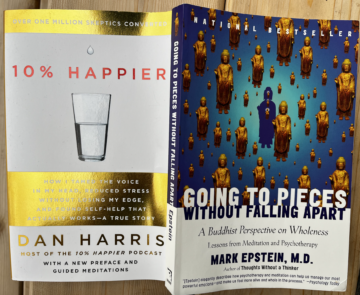 I’m curious about the intersection of psychology, philosophy, and spirituality, and the more I read, the more closely they all appear to intertwine until they’re sometimes indistinguishable. Buddhism overlaps with Stoicism, which influenced Albert Ellis’s REBT (then CBT and all its variations). They dig down to acknowledge and question mistaken core beliefs. Plato inspired some of Freud’s work, which mixed with Sartre and Camus to become the existential psychotherapy of Irvin Yalom and Otto Rank. They have a focus on the acceptance of death, which comes back around to the Buddhist prescription to meditate on our bones turning to dust. Yet, despite a general theme being repeated, it’s striking how hard it is to get out from the minutia of daily life to attend to it.
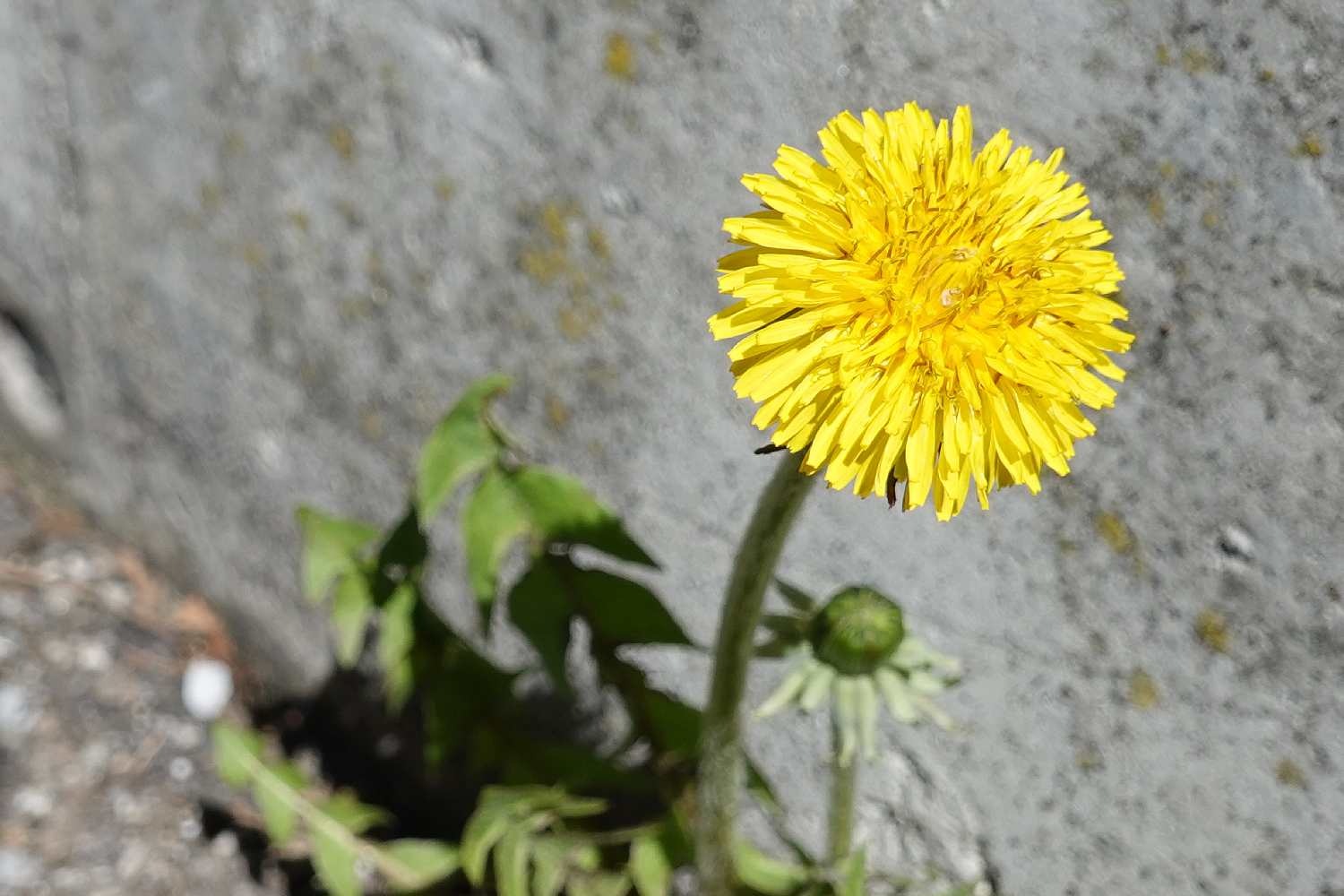
 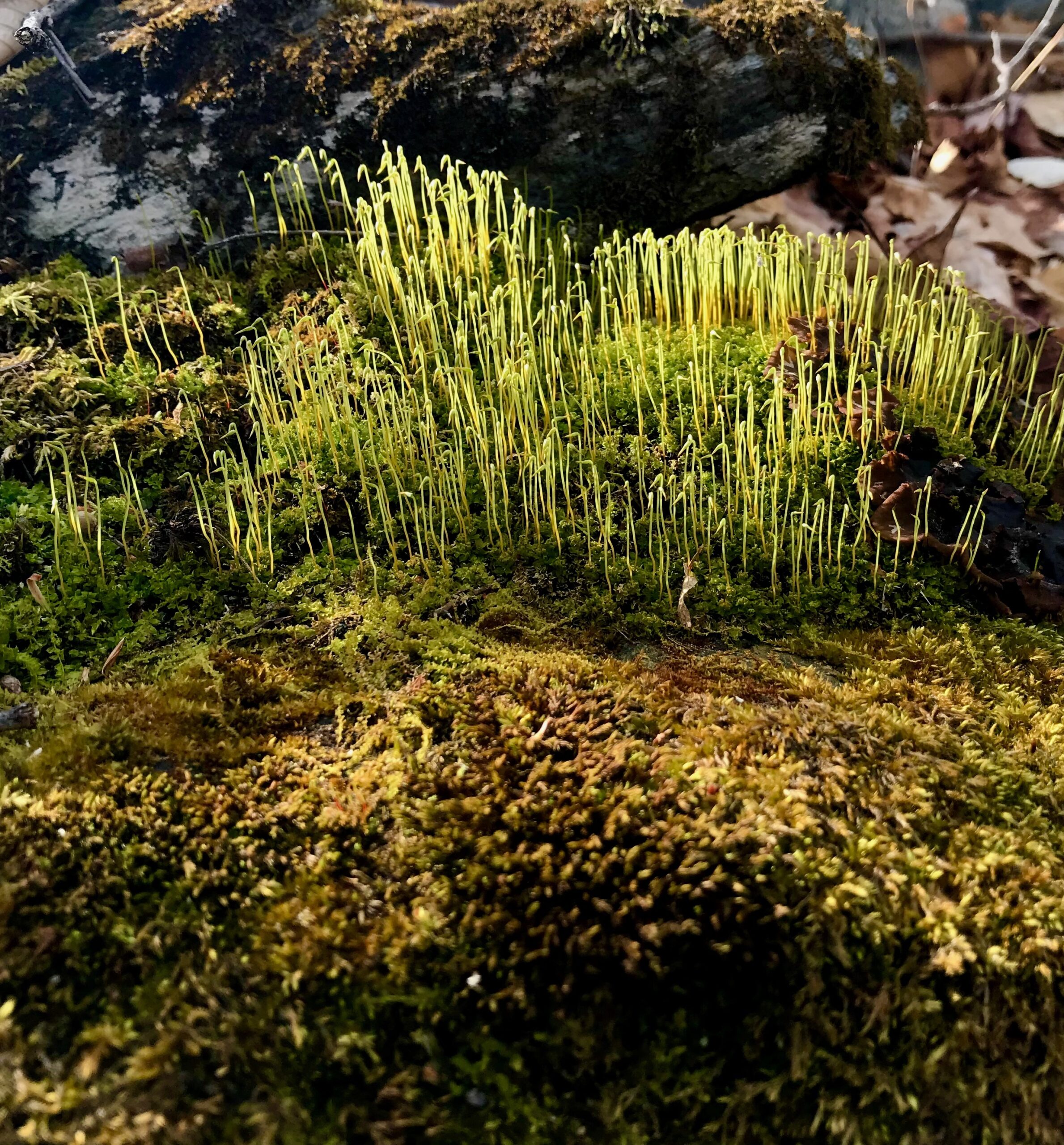 Sughra Raza. Microforest, March 2022.