by Eric Feigenbaum
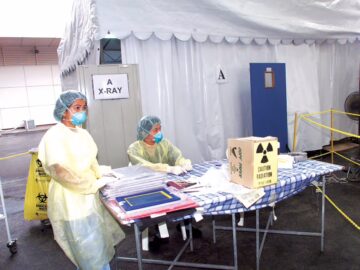
“This hospital makes mine look filthy,” the nurse manager from Sacramento said to me as we walked the halls of Tan Tock Seng Hospital.
This wasn’t a surprising first reaction to a Singaporean hospital. What Nancy said later surprised me more.
“I’m not sure about whether these nurses can handle working in an American ICU – their setup is so much better than ours,” Nancy told me. “These nurses are each taking care of one patient. And each patient is in a room with a complete set of state-of-the-art equipment. You would never find this in an American hospital, I’m sorry to say. I wish we had care quality like this. But I don’t know how nurses used to focusing entirely on one critical patient will do when they have to take care of two – and in some hospitals, even three patients using shared equipment coming down the hall on crash carts.”
At that time – 2004 to 2006 – I worked recruiting foreign nurses for US hospitals. Often, nurse managers would conduct video interviews, but on those occasions when we could talk hospitals into sending their interviewers to Singapore, the results were always better. Of course, the prelude to live interviews was helping the nurse managers understand the nurses’ work environments – which in turn gave them key information about things like skills, practice and language ability.
For several hours, we had toured the Johns Hopkins facility in Singapore – at that time located within National University Hospital – NUH itself and then Tan Tock Seng. At every step, Nancy and her colleague Gloria were amazed by facilities. Not only was the quality of care undeniable, but the nurses they spoke with were erudite and intelligent. Read more »

 Did you ever read Ambrose Bierce’s short story “An Occurrence at Owl Creek Bridge”? If not, it starts as the story of a man who is going to be hanged. As the trap door opens under him, he falls, the rope tightens around his neck but snaps instead of bearing his weight, and he is able to escape from under the gallows. For several pages he wanders through a forest truly sensing the fullness of life in himself and around himself for the first time.
 Most fiction tells the story of an outsider—that’s what makes the novel the genre of modernity. But Dracula stands out by giving us a displaced, maladjusted title character with whom it’s impossible to empathize. Think Anna Karenina, Madame Bovary, or Jane Eyre but with Anna, Emma, or Jane spending most of her time offstage, her inner world out of reach, her motivations opaque. Stoker pieces his plot together from diary entries, letters, telegrams, newspaper clippings, even excerpts from a ship’s log. Everyone involved in hunting down the vampire, regardless of how minor or peripheral, has their say. But the voice of the vampire himself is almost absent.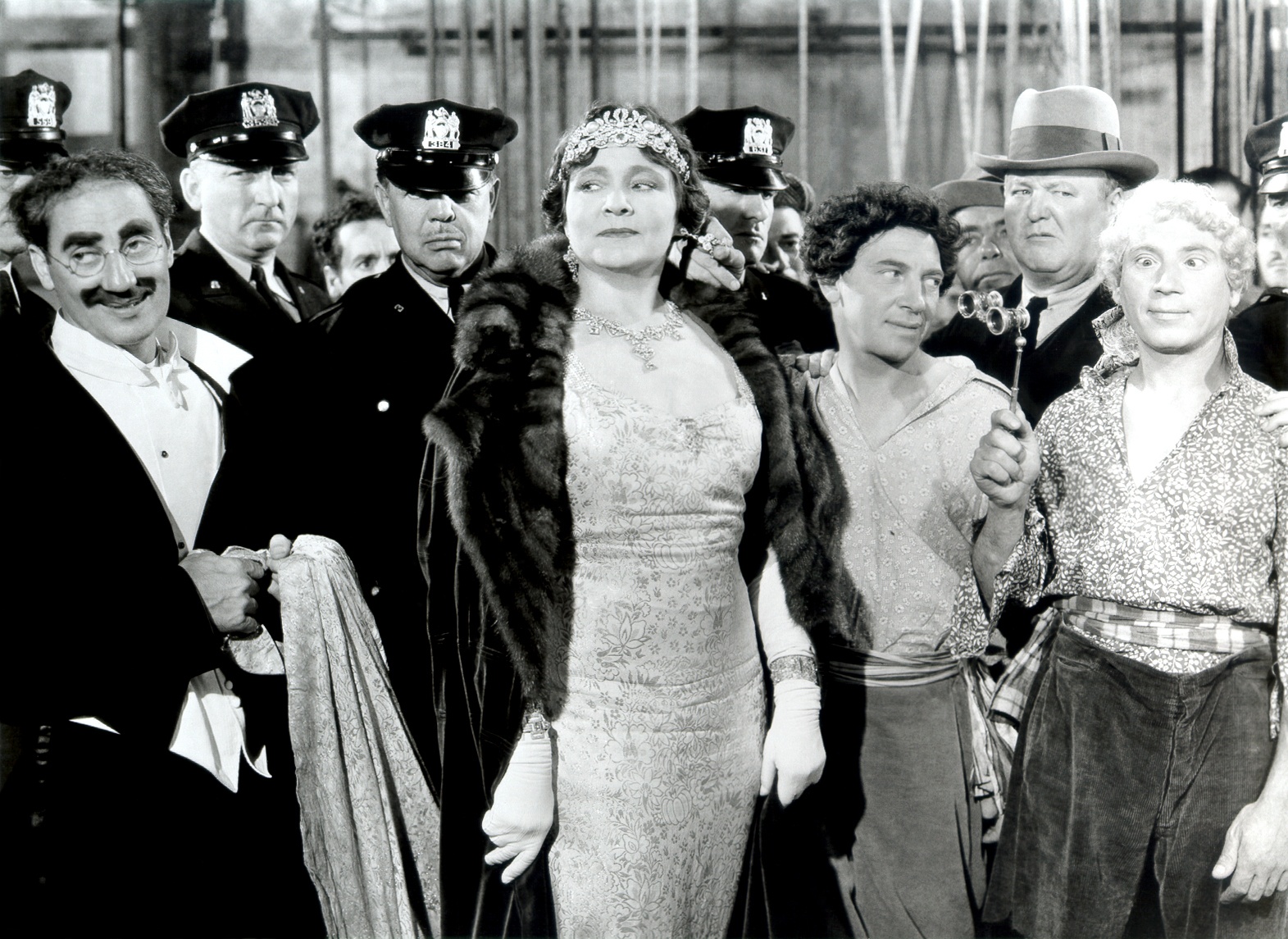






 I have put off reading G.H. Hardy’s Mathematician’s Apology (1940) to the end for too long. Now that I have, I can say with conviction that if you ever find yourself needing to justify why people should learn at least some mathematics, then this is the text to avoid, and Hardy provides the arguments you should stay away from furthest. And yet, it grew on me as an honest presentation of Hardy’s perspective on why anything is worth doing.
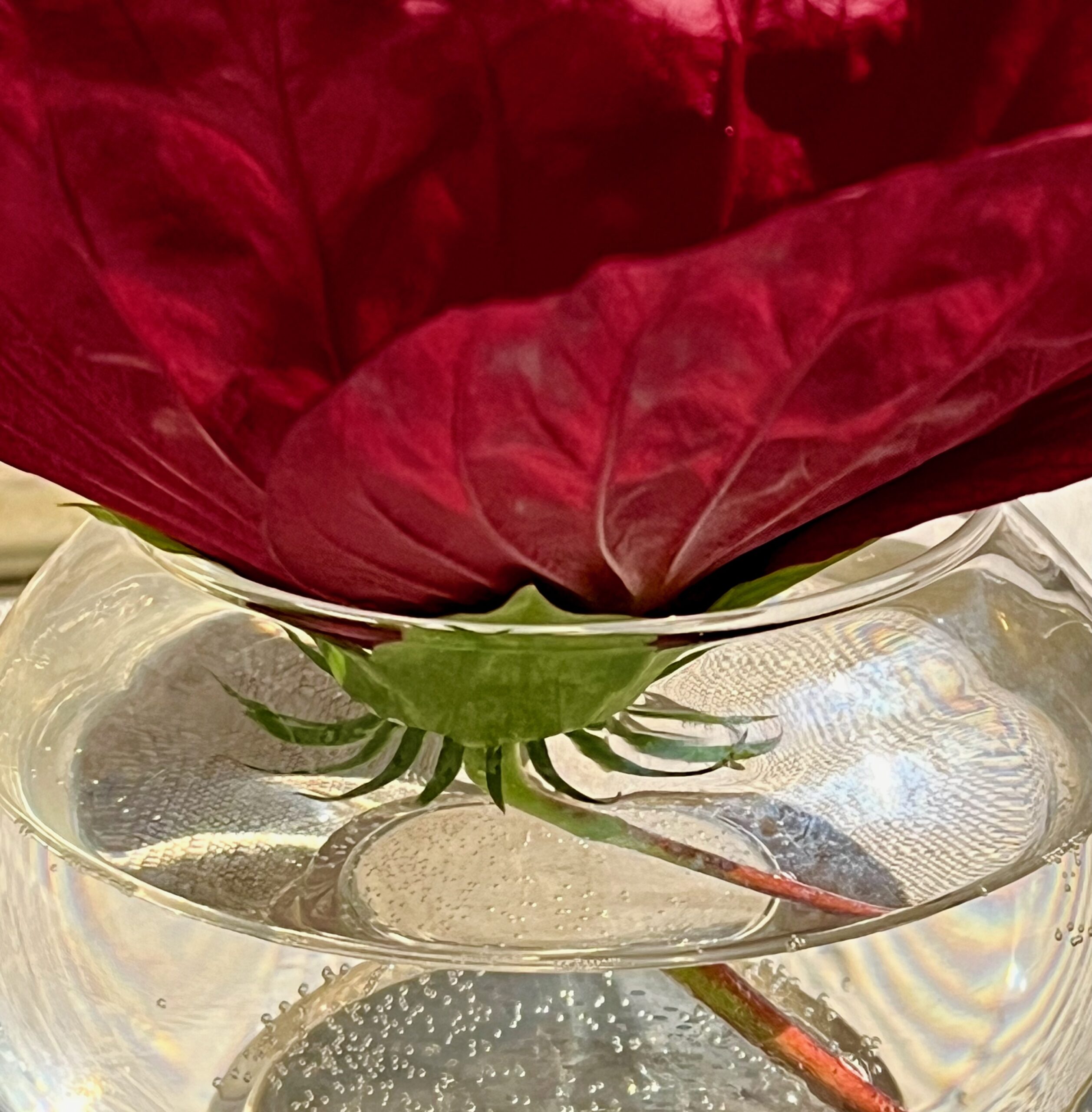 Sughra Raza. Blood. August 2024.


 a prickly pine’s upon one nub,