by Philip Graham
I’m still amazed that Kipling Knox was my student during the mid-to late 1980s, the earliest days of my teaching at the University of Illinois. A more-than-promising creative writing undergraduate student, he then went on to live his professional life in the tech and editing worlds before embarking on a literary career that so far has produced two excellent books—a story collection and a novel—set in the Illinois landscape where he grew up. A landscape also filled with actual ghosts, a popular condition of so much imaginative writing set in the Midwest. My own latest novel has a dance card filled with ghosts, so it was inevitable that Kip and I would eventually sit down and compare notes. Another point of comparison has been our individual decisions to explore the possibilities of independent publishing and the unexpected avenues such a decision can lead authors in search of autonomy. It seems we had a lot of say, and so have divided our chat into two digestible parts.
Philip Graham: In the past three years you’ve published two beautifully-written works of fiction. In 2022, Under the Moon in Illinois, and at the end of 2025, How to Love in a World Like This. Both books are set—largely—in a Midwestern town that you’ve conjured up and call Middling, Illinois. And so they seem to be a part of a larger—and still growing?—world-building enterprise of fiction.
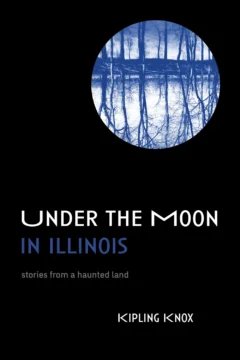 Kipling Knox: Thanks, Philip. Yes, that’s true—both books share a world with common characters. But that wasn’t my original intent. Between publishing these two, I started two other novels, with different settings. I put them both aside because I found myself drawn back to Middling. The story “Downriver,” in particular, ended so ambiguously that I was curious to know what would happen to its characters, Morgan and Arthur, and how their mystery would play out. It’s a difficult trade-off—sticking with one fictional world versus exploring others. When you write a book, you are deliberately not writing others, and there can be a sense of loss in that. But it’s very gratifying to explore a world you’ve built more deeply. I think of how a drop of ocean water contains millions of microorganisms, each with their own story, in a sense. So the world of Middling County (and also, in my second book, Chicago) has infinite potential for stories!
As I consider my next project, I do feel very committed to the American Midwest. Midwestern people and culture fascinate me. I think this is partly because Midwesterners are so often unburdened by a sense of superiority. We’re always trying to prove ourselves, politely. This is a gross generalization, of course, but I think it’s grounded in truth. These qualities make Midwestern characters nuanced and earnest and, hopefully, a little comical. It also makes for rich social satire—I think of midwestern-born authors like Mark Twain, Kurt Vonnegut, and George Saunders. Read more »
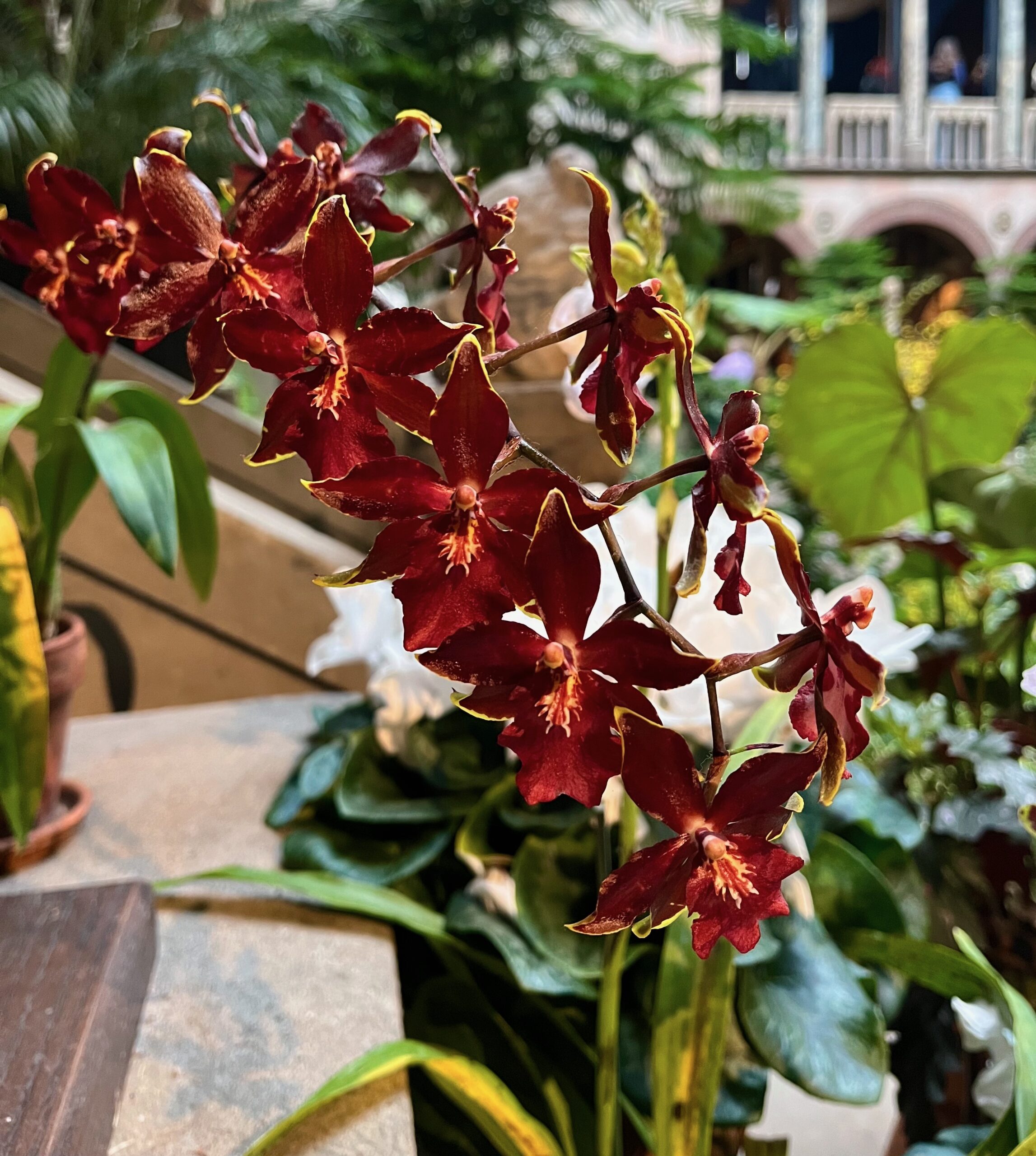 Sughra Raza. Finding Color. Boston, January, 2026.
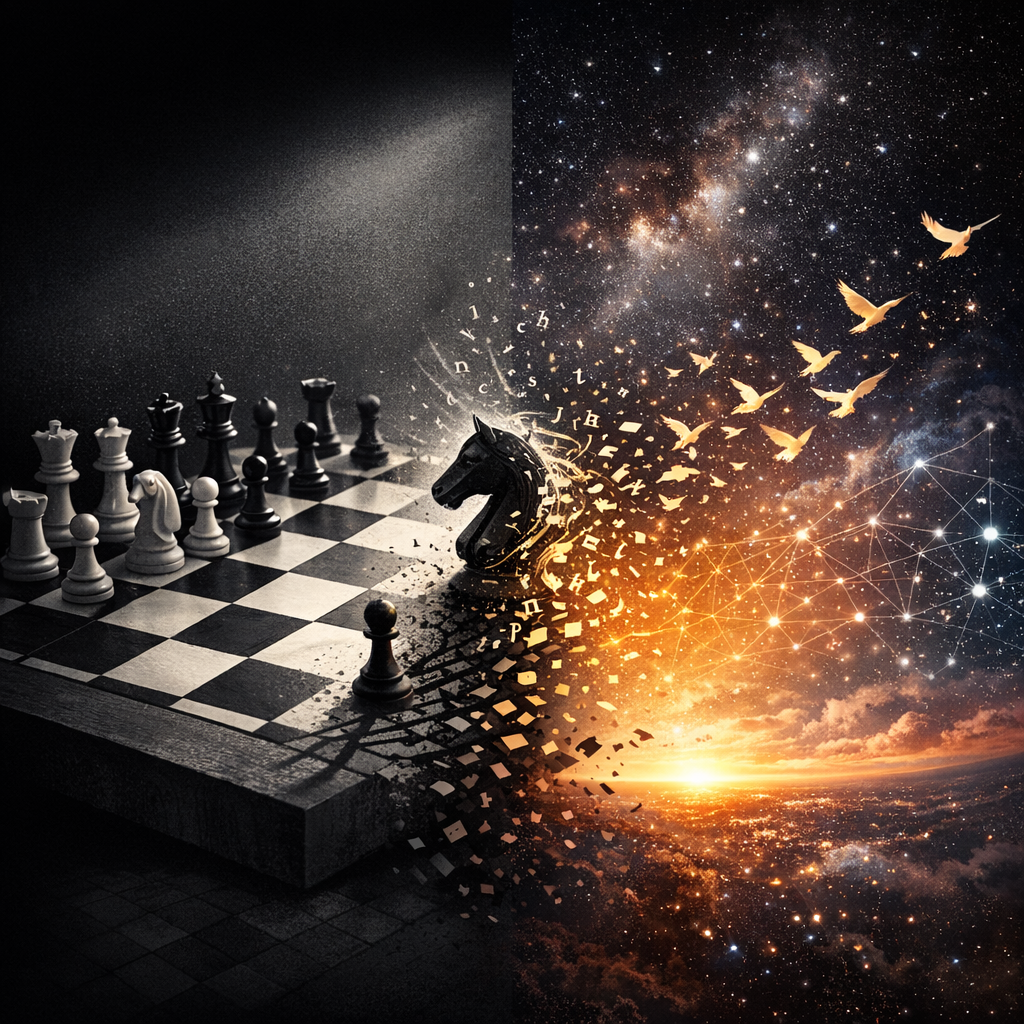


 Any sufficiently advanced technology might be indistinguishable from magic, as Arthur C. Clarke said, but even small advances–if well-placed–can seem miraculous. I remember the first time I took an Uber, after years of fumbling in the backs of yellow cabs with balled up bills and misplaced credit cards. The driver stopped at my destination. “What happens now?” I asked. His answer surprised and delighted me. “You get out,” he said.
 Several years ago I was the moderator of a bar association debate between John Eastman, then dean of Chapman University School of Law, and a dean of another law school. The topic was the Constitution and religion. At one point Eastman argued that the promotion of religious teachings in public school classrooms was backed by the US Constitution. In doing so he appealed to the audience: didn’t they all have the Ten Commandments posted in their classrooms when growing up? Most looked puzzled or shook their heads. No one nodded or said yes. Eastman appeared to have failed to convince anyone of his novel take on the Constitution.
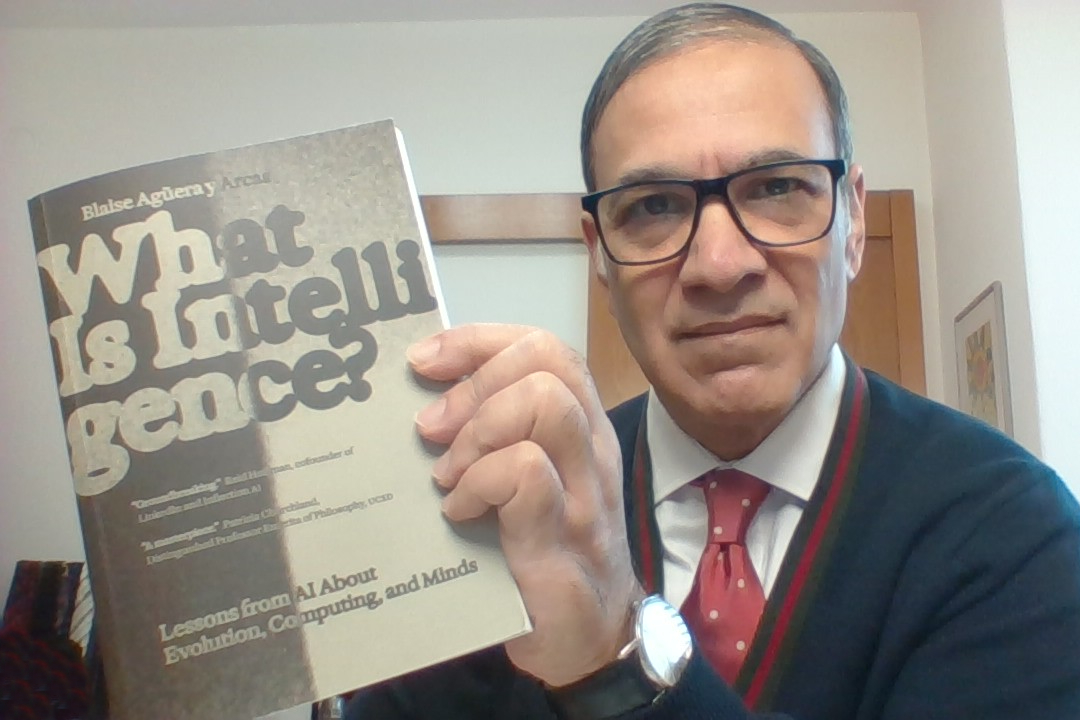
 The question of whether AI is capable of having conscious experiences is not an abstract philosophical debate. It has real consequences and getting the wrong answer is dangerous. If AI is conscious then we will experience substantial pressure to confer human and individual rights on AI entities, especially if they report experiencing pain or suffering. If AI is not conscious and thus cannot experience pain and suffering, that pressure will be relieved at least up to a point.