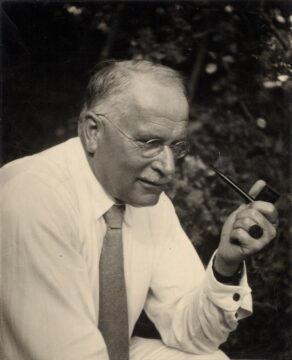
by Mike Bendzela
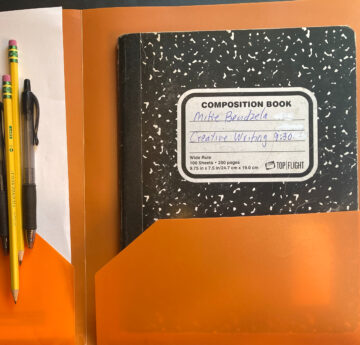
The important thing to remember about “extraordinary popular delusions” (in Charles Mackay‘s words) is that there is nothing you can do about them. And they are legion. The best you can do is avoid them, and this takes diligence and a certain resolve: The subject gets changed. The screens go off. No television comes near your eyeballs. The radio is switched to a music station. “Social” media are eschewed. And when people needle you about your lack of engagement, you ignore them. Whose approval do you think you need anyway? Let the rowdies enjoy their bandwagon in peace. I’m wondering whether the time will come when the shiny new plagiarist technologies undermine themselves to the point that nothing seen on a screen will be trusted anymore, when electronic becomes a synonym for fake. It’s an open invitation to reclaim such quaint sensual pleasures as face-to-face conversation and the scratch of pencil against paper.
Bogus seems to be the new name of the game: One pops in an assignment description, and out pops a tidy little poem with one’s name in the byline, ready to be safely uploaded to the class website. Therefore, in my writing classes I am taking steps to get away from screens, which means increasing the use of paper and pens/pencils. One must walk forward into the past. One learns that to be a writer one scribbles and fails, scribbles and fails. For the same reason that most business ventures shutter and most species go extinct, most writing never sees the light of publication. The learning is in the doing, not in the dung heap at the end of the process. Why take a cooking course if you are just going to order out? Why take a technical rock climbing class (as I did as an undergraduate geology major) if you are only going to hire a helicopter to fly you to the top of the peak?
Gosh, how does my online article about this subject square with itself ?? It may make for an interesting classroom discussion of irony and paradox. The class is the process. This article? The dung heap at the end of the process. Read more »
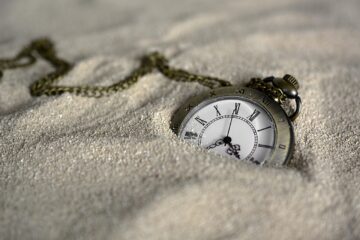 We sometimes say that someone is living in the past, but it seems to me that the past lives in us. It lives in our houses; it lies all around us. As I write this, I’m sitting on the couch under two blankets crocheted by my grandmother, who was born around the turn of the 20th century. The laptop sits on a folded blanket that came from Mexico via a friend years ago. And that’s just the surface layer. My closets and file cabinets are also full of the past.

 Dear Reader,

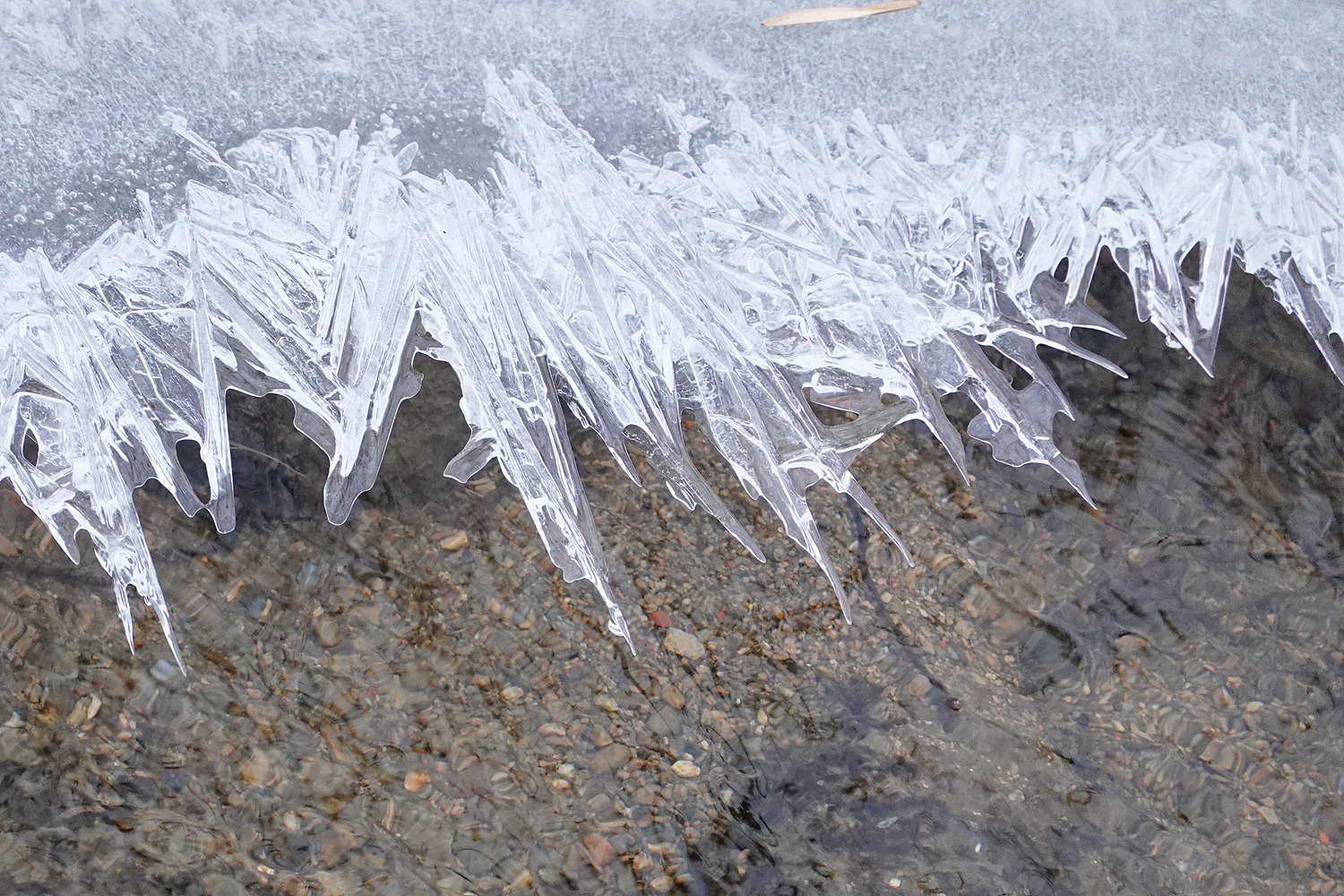
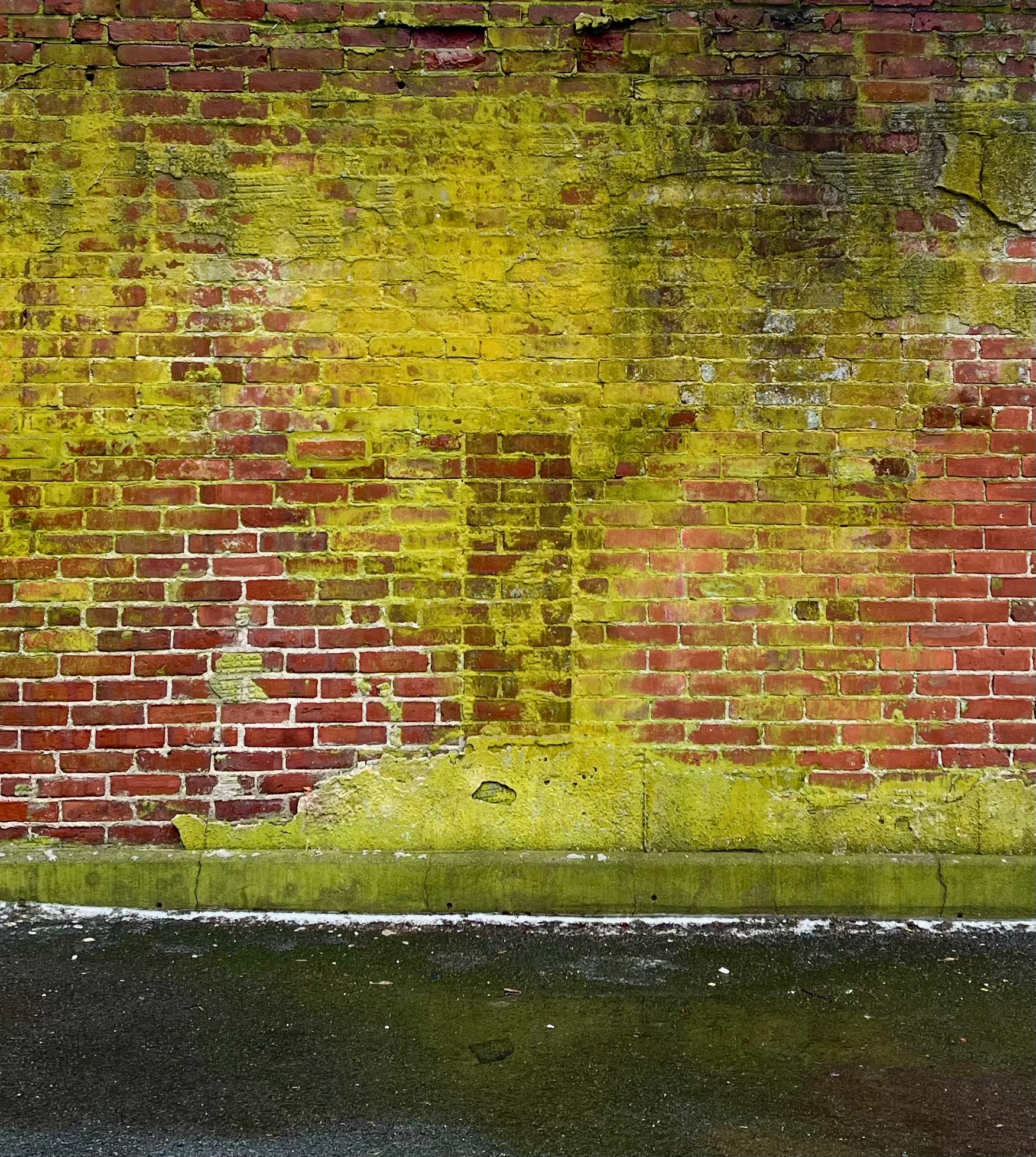 Sughra Raza. Bey Unvaan. January, 2026.
 Oy. Where to start? Let me begin with a recent abuse involving percentages. Trump’s absurd claims about price declines of more than 100% have elicited a lot of well-deserved derision. How could someone with an undergraduate degree in business from Wharton make these mathematically impossible claims?
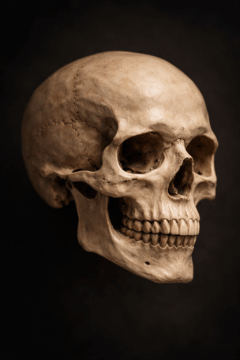 In almost every medical school in the world, there is a cupboard—or a quiet back room—full of bones. The skulls are numbered, the femurs stacked like firewood, the ribs threaded onto metal wire. Officially, they are “teaching aids”. Unofficially, they are the remains of actual lives, reduced to objects that can be ordered from a catalogue.
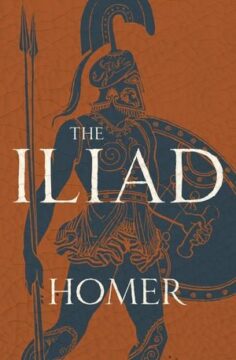 2025 was a good year for books.