by Daniel Gauss

There are more than 50 armed conflicts going on in the world right now. In fact, depending on how you define “armed conflict,” the number from the most trustworthy sources ranges from around 60 (using a strict, high-intensity definition) to over 150 (using a broader, low-intensity definition). We wake up, take a look at the news and often see that it’s war again. Again. An airstrike, retaliation, another round of funerals and recriminations.
A recent, well-publicized armed conflict was in South-East Asia between a government run by a father/son dictatorship duo and a government still dominated by its military establishment, where generals retain substantial power to influence and often overrule civilian politics at will. Both of these governments demanded and marshalled the patriotic fervor of their respective populations to square off over who “owned” a largely inaccessible 1,000-year-old temple in the middle of a forest, which does not even generate much tourism money. People died.
All these wars, clashes and skirmishes…if you listen closely, really closely, past the rattle of gunfire, the buzz of drones, missiles smashing into concrete buildings, the somber gravitas of the news anchor, you’ll hear it…the soft whimper of a bruised ego.
There is the assumption that war is often rationally motivated. Somewhere in a quiet, high-tech, air-conditioned war room, serious, highly educated and seasoned adults in formal attire or uniforms decorated with medals did the math, weighed strategic interests and analyzed existential threats. We then read that they had no choice but to take action, and, of course, according to the “humanitarian” rules of war, they tried to minimize civilian casualties.
But I sense that beneath all the theatrics is something simpler. Read more »


 The wealthy and powerful have always used the narrative to their advantage. The narrative defines them as superior in some way, and thus deserving of their power and wealth. In ancient times, they might be descended from the Gods, or at least favored by them or otherwise connected to them, perhaps through special communicative powers that granted them insights into the will of the Gods or God. In modern capitalist societies, that narrative promotes a fantasy of merit. You are rich and/or powerful because you are better. You are more civilized, better educated, more intelligent, or blessed with an exceptional work ethic. These narratives cast wealth and/or power as not only justifiable, but deserved.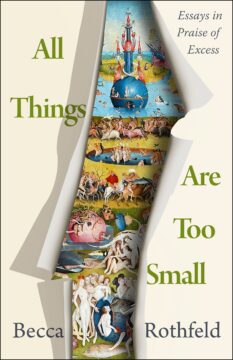

 In
In 
 In a recent essay,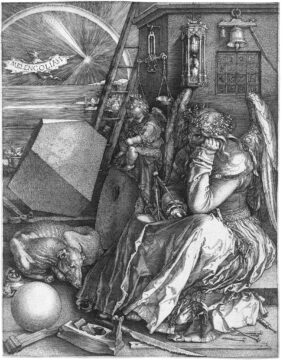
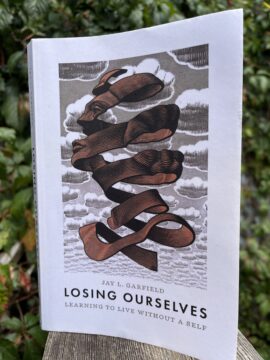 We’re living at a time when the glorification of independence and individualism is harming the world and others in it, as well as leading to an epidemic of loneliness. According to Jay Garfield, the root of suffering is in our self-alienation, and one symptom of our alienation is clinging to the notion that we are selves. “We are wired to misunderstand our own mode of existence,” he writes in his brief yet substantial 2022 book,

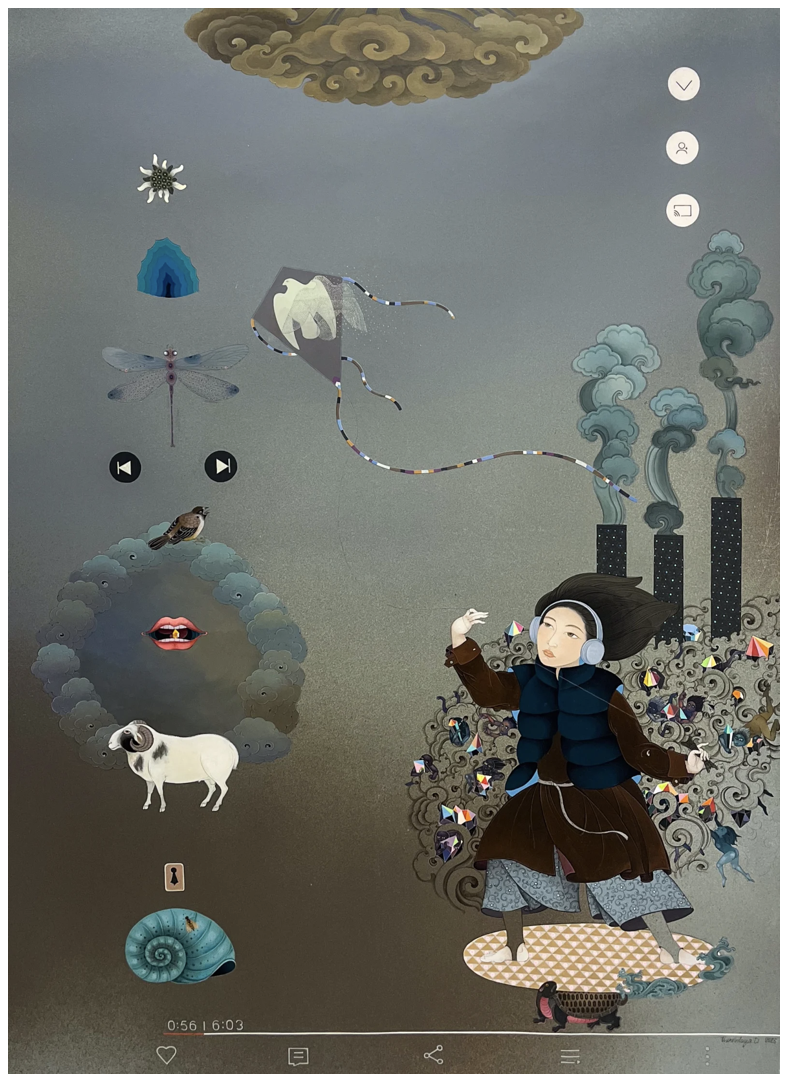 Uuriintuya Dagvasambuu (Mongolia). Woman in Ulaanbaatar: Dreams Carried by Wind, 2025.