
Cast your bread on the waters:
for you shall find it after many days.
…………………………… —Ecclesiastes
Bread Upon the Water
Oh, the young don’t keep
and the old just go,
and the keeper of the sheep
casts a long, long shadow,
and your song won’t come
where your life won’t go,
so throw your bread on the water,
and beat your feet to the chimes,
and if you have a daughter.
and count your change to the dime.
and if you open up the borders
you’ll let it all fall in behind
Every book just speaks.
and every light just shines,
and every touch just feels,
and every look just finds,
and everywhere just is,
and every road’s a line
—when every deed is done
and you might be feeling so low
like a dream is over,
as if it didn’t grow
but still, the soil is good
and with what we know,
Throw your bread on the water
and beat your feet to the chimes
and if you have a daughter
and count your change to the dime,
and if you open up the borders
it’ll all fall in behind it’ll
fall in behind
poem/song by Jim Culleny, 1970
 1972, Jim Culleny
and Starship Productions
(at link, scroll to bottom)
Enjoying the content on 3QD? Help keep us going by donating now.
 Isn’t it time we talk about you?

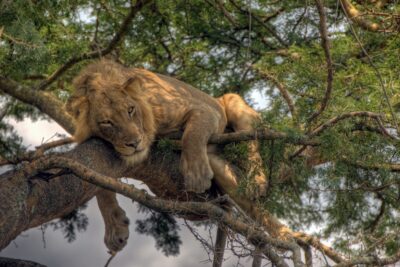
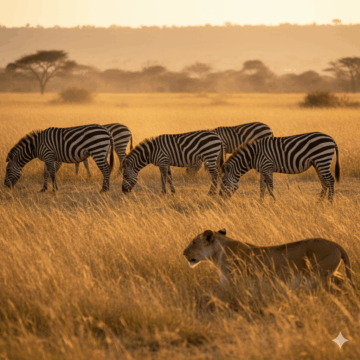 To be alive is to maintain a coherent structure in a variable environment. Entropy favors the dispersal of energy, like heat diffusing into the surroundings. Cells, like fridges, resist this drift only by expending energy. At the base of the food chain, energy is harvested from the sun; at the next layer, it is consumed and transferred, and so begins the game of predation. Yet predation need not always be aggressive or zero-sum. Mutualistic interactions abound. Species collaborate when it conserves energy. For example, whistling-thorn trees in Kenya trade food and shelter to ants for protection. Ants patrol the tree, fending off herbivores from insects to elephants. When an organism cannot provide a resource or service without risking its own survival, opportunities for cooperative exchange are limited. Beyond the cooperative, predation emerges in its more familiar, competitive form. At every level, the imperative is the same: accumulate enough energy to maintain and reproduce. How this energy is obtained, conserved, or defended produces the rich diversity of strategies observed in nature.

 We humans think we’re so smart. But a
 Giant Tarantulas
 by Steve Szilagyi
 Jaffer Kolb. Lake Mývatn, October 13th, 12:08 am.




 A recent news story about the fate of Ernest Shackleton’s ship