
by Bill Murray
 We humans think we’re so smart. But animals and plants, too, have far more wisdom and abilities than we give them credit for. This is the third in an occasional series of links to the remarkable world of non-human abilities. The first two are here and here.
Zebra finches pick singing coaches based on songs they hear as embryos. The songs that Australian zebra finches hear before they have hatched influence which birds they choose as singing instructors when growing up.
Hammerhead sharks close their gills, essentially holding their breath as they dive more than 2,600 feet from tropical surface waters into the ocean’s frigid depths multiple times every night to hunt for fish and squid.
 Giant Tarantulas keep tiny frogs as pets so that the frog can protect the spider’s eggs from insects and the spider can protect the frog from predators.
Bats remember favors and hold grudges; socially distance and go quiet when ill; and use vocal labels that reveal individual and kin identity. Male bats learn territorial songs in specific dialects from their fathers and, much like birds, sing these songs to defend territory and attract mates, which scientists characterize as culture.
Insects in general do not rely on steady flow of air but create controlled turbulence called a vortex at the top of their wings. By sweeping their wings at a sharp angle bees generate “horizontal mini-tornadoes” to carry them aloft.
Penguin huddles move and change shape during cold winds to minimize the heat loss each penguin experiences.
A juvenile bar-tailed godwit – known only by its satellite tag number 234684 – has flown 13,560 kilometres from Alaska to the Australian state of Tasmania without stopping, appearing to set a new world record for marathon bird flights.
Worms listen for vibrations from the patter of rain and when they hear it, come to the surface for a drink. The North American wood turtle stomps its feet on the ground to mimic that patter and eat the worms.
Great horned owls throw themselves to the ground feigning a broken wing, in order to distract would-be predators.
 The greater wax moth holds the world record for the highest hearing frequency range among animals at 300 kHz (for comparison, human hearing tops out around 20 kHZ), allowing them access to even the highest pitched bat clicks.
Cats have 276 different facial expressions.
Rats can navigate their way through a space they have previously explored using their thoughts alone, suggesting the rodents have some sort of imagination.
Arctic ground squirrels can temporarily drop their body temperature to -3°C (27°F) without freezing solid.
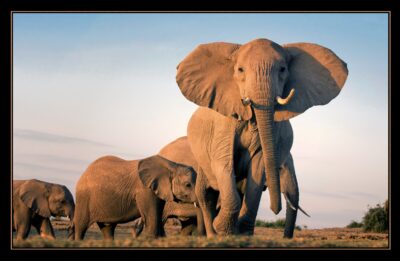 Using very low sound waves humans can not hear, African elephants talk to each other. They have, for example, have a specific signal for honeybees. They are keen listeners too, able to distinguish between humans from tribes that hunt them and those that don’t merely by listening to their voices and discerning their dialects.
Ants have a technique to avoid traffic jams.
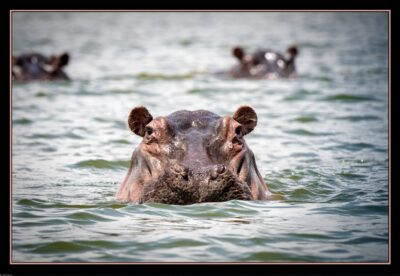
Hippopotamuses recognize the voices of their pod-mates and members of nearby pods, and respond more territorially to strangers.
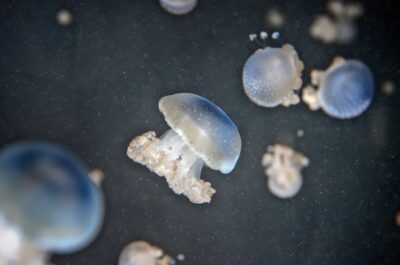
Even though they have no brain, jellyfish sleep.
Insects have ears just about anywhere: on antennae (mosquitoes and fruit flies), forelegs (crickets and katydids), wings (lacewings), abdomen (cicadas, grasshoppers and locusts) and on what passes for a “neck” (parasitic flies). Among moths and butterflies, ears crop up practically anywhere, even on mouthparts. The bladder grasshopper has an abundance of ears with six pairs along the sides of its abdomen. Praying mantises have a single ear in the middle of their chest.
 Bonobos and chimpanzees can recall friends they spent time with in the past, even if it was decades ago.
Komodo dragons’ teeth are coated with a layer of iron that helps keep their serrated edges razor sharp.
Many gastropod species have evolved to live anywhere on the planet—from deserts to deep ocean trenches—with gills to live in water, or lungs to live on land. Some, like the apple snail, possess one of each, to withstand both monsoons and droughts.
Goats become nervous before a volcanic eruption and refuse to move to higher pastures that they would normally be happy to visit.
 Inter-species co-operation: groupers visit giant moray eels resting in their crevices and shake their heads three to six times a second directly in front of the eels to recruit them to hunt together.
When tiger moths hear bats echolocating, they turn on a jamming signal that clicks 4,500 times a second, throwing off bat ranging. Moths win.
Bee orchids trick male bees into landing on their flowers by looking and smelling like exotic female bees, then load the duped insects with pollen.
Turtle hatchlings make sounds while still in their eggs, before they hatch, apparently to coordinate the moment of their birth.
 Walruses sleep between 19.4 to 20.5 hours a day. But like elephants, walruses can go for days without sleep. If they must they can swim for up to 84 hours before needing to recharge.
Shrimp demonstrate anxiety when they experience daily threatening experiences, like being chased by a net.
Some Japanese crows use traffic to crack open walnuts: The crows drop a nut in front of cars at intersections, and then when the light turns red, they swoop in to scoop up the exposed flesh.
Icefish use a natural anti-freeze. To survive at low temperatures, Neopagetopsis ionah has evolved a protein that stops ice crystals from growing. They are the only vertebrates with no red blood cells. They also have see-through skulls.
Monarch butterflies taste nectar through their feet.
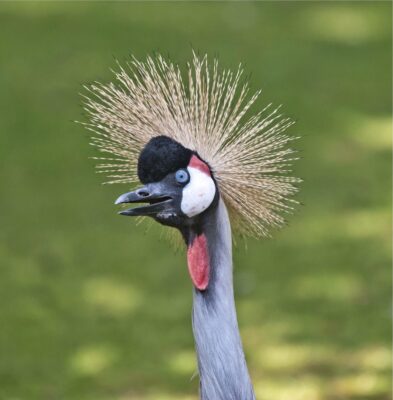 In a study of naked mole rats, not only did each have its own vocal signature, but each colony had its own distinct dialect, which was passed down, culturally, over generations.
Arctic ground squirrels can temporarily drop their body temperature to -3°C (27°F) without freezing solid.
Loggerhead turtles discern and remember magnetic field signatures, helping them to return to promising feeding grounds.
Some Australian sulphur-crested cockatoos have worked out how to operate drinking fountains. They hold the fountain with one foot and twist the handle with the other.
Swimming at speed, the bluefin’s top fins retract into their bodies, and they pelt at seventy kilometres an hour. So perfectly evolved are they for powering through the ocean, Pentagon-funded scientists have used the tuna body-shape as a model for the US Navy’s underwater missiles.
Beavers use their tails as rudders and webbed hind feet to glide efficiently through water. They can hold their breath for up to fifteen minutes thanks to a suite of cardiovascular adjustments known as the diving reflex. This reflex slows the heart and redirects blood flow to vital organs, a trait shared with seals and penguins.
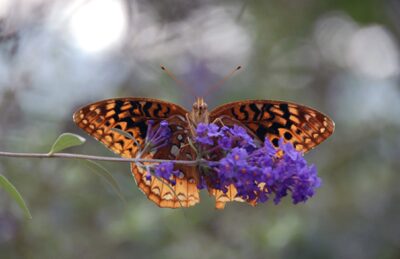 Parrots demonstrate self-control and can delay gratification by not eating an immediate low-quality reward in favor of a delayed high value reward.
Honeybees understand higher-order concepts like the notion of zero. They also recognize faces, use tools, make collective decisions and dance to communicate.
Migrating birds have evolved lighter colored feathers than non-migratory birds, to absorb less heat. Migrating birds have been observed flying at dramatically higher altitudes during the day than at night. Researchers wondered if they did that to cool down under the sun. That in turn suggested that it’s important for them to regulate temperature to migrate effectively. A team of scientists measured plumage lightness in all known birds and found all of this to be true.
 Evening primroses can “hear” their pollinators and fire up nectar production when exposed to their specific vibration frequencies.
Globe-skimmer dragonflies traverse entire oceans en masse. Their travel distances rank them among the world’s most cosmopolitan migrators, such as humpback whales and leatherback sea turtles.
Giraffes’ sleep cycles are quite short, lasting 35 minutes or shorter. They can sleep standing up as well as lying down, probably because if you’re a giraffe, it’s time consuming to stand up.
During a prey-catching dive or stoop, a peregrine falcon can reach 200 miles per hour.
Hibernating bears are able to shut down genes involved with the breakdown of bone.
***
I write things like this every week at Common Sense and Whiskey, a Substack with no paywalls. See more of my wildlife photos at Earthphotos.com.
Enjoying the content on 3QD? Help keep us going by donating now.