by Lei Wang

If not for COVID, I would have moved back to China after my MFA instead of staying in Iowa City. Instead of not seeing him for three years, I would have married my fiancé at the time, an Italian kung fu master in Shanghai who had the peculiar fate of teaching Chinese people their own lost esoteric spiritual practices. I would have then moved with him to an island off the coast of Portugal, where he now lives and teaches at a martial arts retreat center.
But because things happened the way they did, I am not on an island off the coast of Portugal, enjoying the best temperate weather in the world. I am not writing overlooking the Atlantic Ocean and considering the travails of America from the vantage of Europe. I am not married.
I am here, but also if I were there, I would still always be here, wherever I am. And then perhaps I would be dreaming of Iowa, of living five- to ten- minute walks from my friends, all artists of some sort, all expert cuddlers. Perhaps I would be bored and lonely in Portugal; there is only so much good weather one can take.
In a recent newsletter, the writer Suleika Jaouad writes of a What If thought experiment game she plays with a friend that imagines into the other lives they could have lived:
It usually starts when one of us says something like, Remember that guy who wore a lot of vests? and suddenly we’re spiraling: What if I married him and lived in a yurt in Montana, labeling mason jars of lentils in flowery live-laugh-love cursive? What if I had gotten that soulless business consulting job in Dubai and wore pantsuits the exact shade of despair and office lighting? What if I stayed in Vermont instead of moving back to New York City and became a homesteading influencer who films sourdough tutorials with my roommate, a potbelly pig named Meredith? What if I had five children and a timeshare in Sarasota and a minivan full of crushed graham crackers?
What if I hadn’t for some mysterious reason gone down a notoriously financially unrewarding delayed-returns path of writing and instead been a corporate consultant like many other achiever-type humanities majors? On the one hand: oof. On the other: who knows? What if I had simultaneously pursued writing with a career in therapy or even interior decorating? What if I had studied neuroscience and now had my dream alter-ego job, teaching empathy to robots (which sounded far-off a mere few years ago)? Who would I be? Read more »
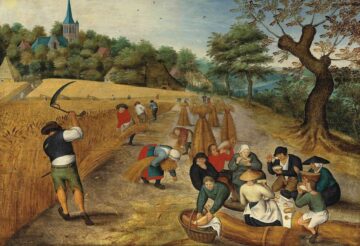
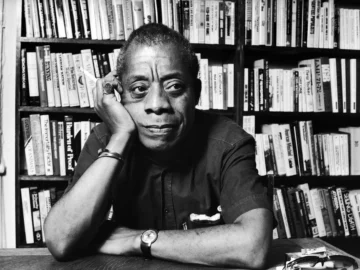
 1972, Jim Culleny
 Isn’t it time we talk about you?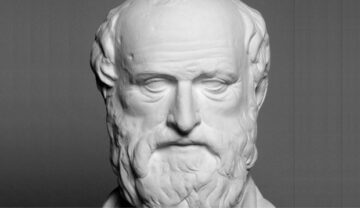
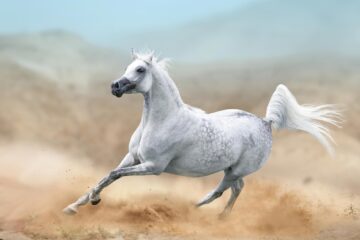
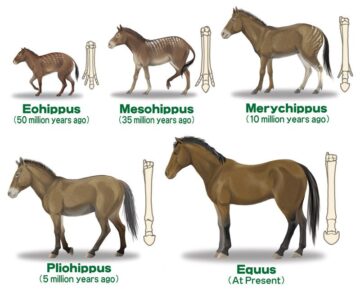
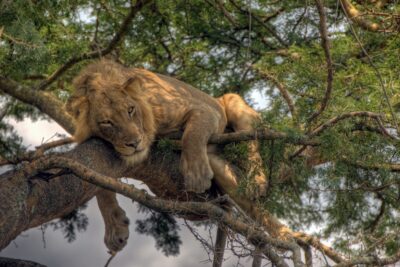
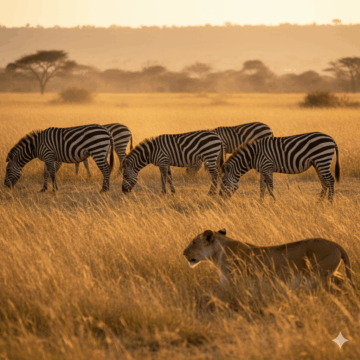 To be alive is to maintain a coherent structure in a variable environment. Entropy favors the dispersal of energy, like heat diffusing into the surroundings. Cells, like fridges, resist this drift only by expending energy. At the base of the food chain, energy is harvested from the sun; at the next layer, it is consumed and transferred, and so begins the game of predation. Yet predation need not always be aggressive or zero-sum. Mutualistic interactions abound. Species collaborate when it conserves energy. For example, whistling-thorn trees in Kenya trade food and shelter to ants for protection. Ants patrol the tree, fending off herbivores from insects to elephants. When an organism cannot provide a resource or service without risking its own survival, opportunities for cooperative exchange are limited. Beyond the cooperative, predation emerges in its more familiar, competitive form. At every level, the imperative is the same: accumulate enough energy to maintain and reproduce. How this energy is obtained, conserved, or defended produces the rich diversity of strategies observed in nature.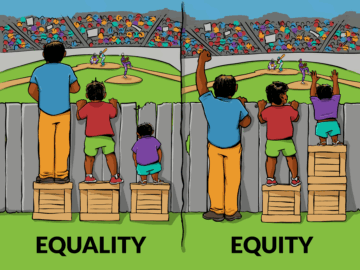
 We humans think we’re so smart. But a
 Giant Tarantulas
 by Steve Szilagyi
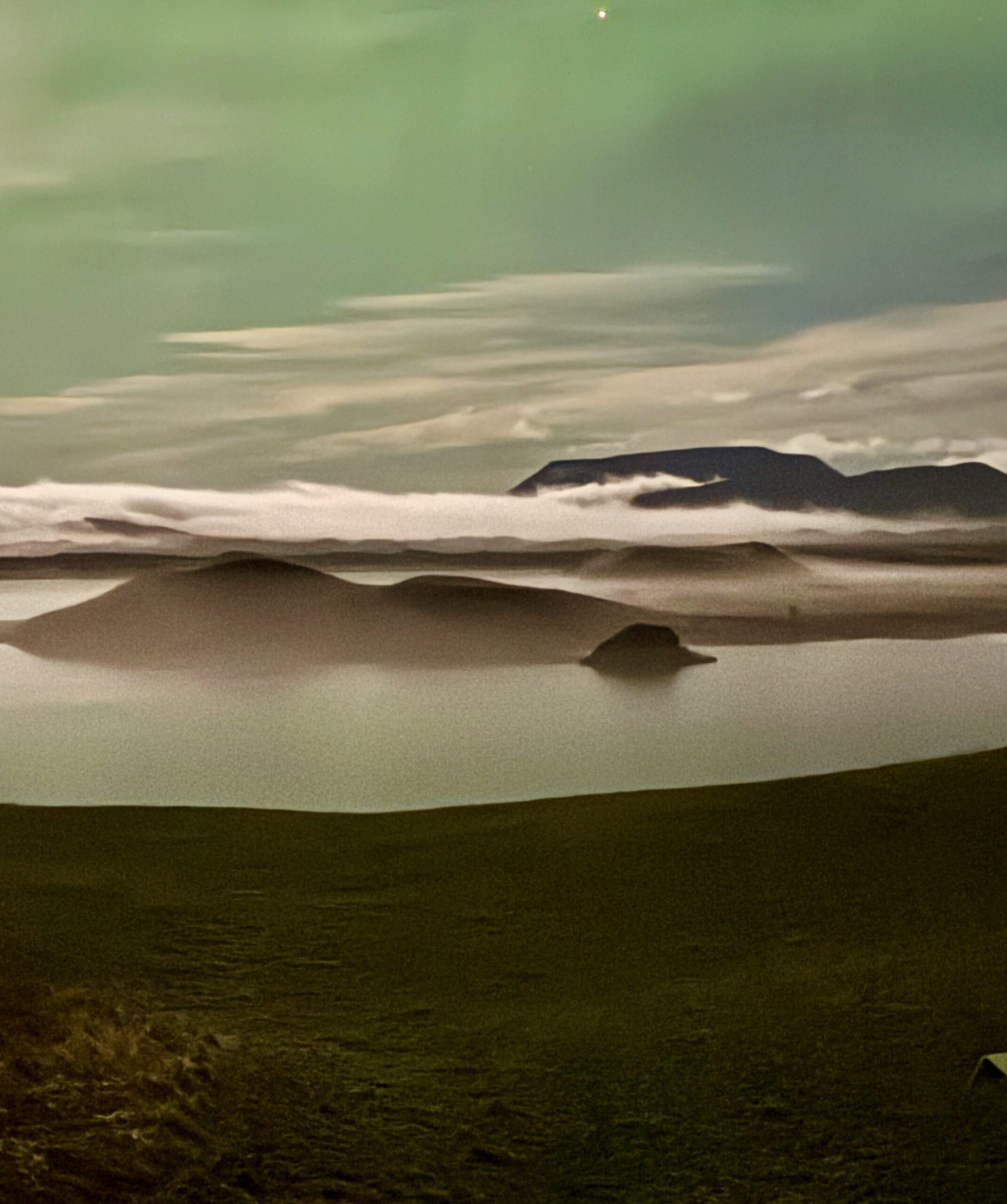 Jaffer Kolb. Lake Mývatn, October 13th, 12:08 am.