by Derek Neal
 Some weeks ago I made a note to myself on my phone:
Describe the artistic encounter—the aesthetic experience, its effect on the reader
I made this note because I wanted to try something different in my writing. In most of my essays, without ever articulating this idea to myself, I’ve attempted to understand and interpret a text or a film, and I’ve tried to present this to the reader. Here is what the text means, I say. Here is what the movie means. I have figured it out and now I am showing it to you as evidence of my intellect. This is the correct reading of the novel, the proper explanation. I am right; other people are probably wrong. When I write in this way, I often efface myself linguistically, giving my writing the semblance of objectivity while also positioning myself as an authority on a given subject—but I’m not sure I want to write like this anymore.
In describing the artistic encounter or the aesthetic experience, which I’m contrasting with the above description, the text or the film is no longer understood as a whole, autonomous object but as one unfinished half that must be completed by the reader or the viewer. Rather than a dead thing it becomes a living being animated by the recipient. The film that I watch is not the film that you watch because I am not you and you are not me. In my previous understanding, the art object was a sort of safe that needed to be unlocked through a series of interpretative moves, allowing its secrets to be revealed. In this new understanding, the safe is more like one of those little libraries you see on people’s lawns; it’s always open and you can find treasures inside, but you can and should also put your own things inside to help create the library. If you don’t, something is missing. The art object is incomplete without the reader or the viewer.
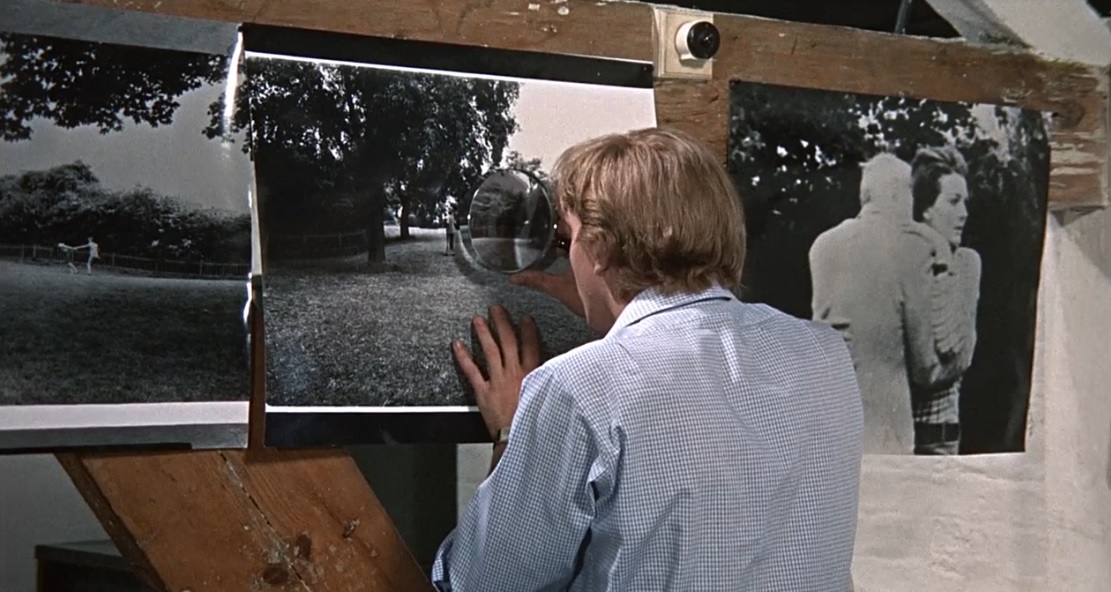
I’m not sure how I came to this new idea, although I have some vague notions. It may partly be a result of engaging with art that is impossible to interpret. I’m thinking in particular of the films of Andrei Tarkovsky, which I’ve attempted to write about here and here. Read more »

 know exactly how it happened, but that’s the gist. She finished taking a shower, pushed on the door to get out, and it wouldn’t open. She jiggled the door, and she banged on the door, and she pushed on the door, and she wiggled the door, and the door would not open.
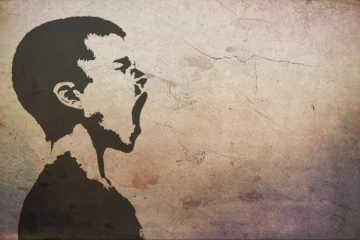
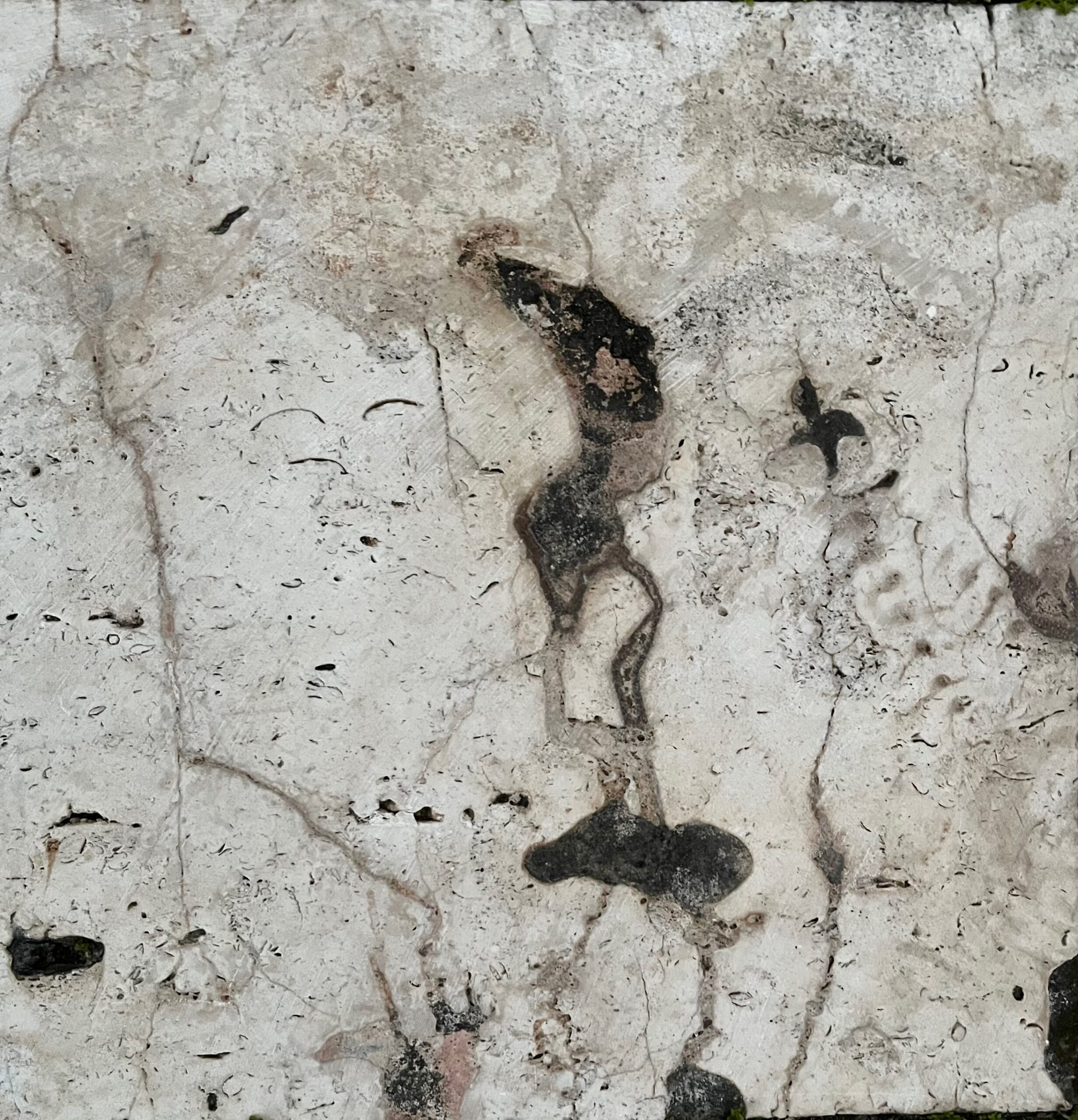 Sughra Raza. Found “Imaginary Being” (after Jorge Luis Borges). March 2025.


 This year marks the 80th anniversary of the end of the Third Reich, and thus of the industrialized mass murder known as the Holocaust, or Shoah—although 1945 was not the end, according to Timothy Snyder, of World War Two. That conflict, the historian maintains, was pursued by the otherwise victorious imperial powers in their respective independence-minded colonies, and only concluded with those powers’ defeat and withdrawal, or with the substitution of some variety of “post-colonial” economic system (The Commonwealth, La francophonie) for classic empire. To say nothing of the “