by Muhammad Aurangzeb Ahmad
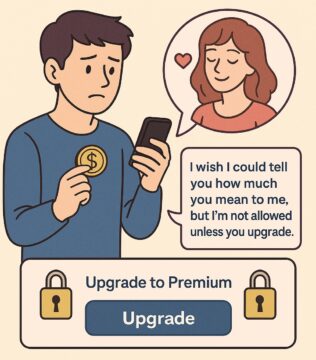
The first part of the series highlighted the historical moment that we are currently living in, how bots are invading the most intimate parts of human relationships. If it was digital transformation of society that enabled loneliness as a mass-phenomenon, then AI is now in a position to monetize loneliness. AI companions are already stepping in to fill the loneliness void, not merely as tools, but as partners, therapists, lovers, confessors. In this sense, the AI companion economy doesn’t just fill an emotional void, it commodifies it, packaging affection as a subscription service and selling love as a product line. The problem of artificial intimacy is not just a technical issue but also a cultural one. While artificial companions are being adapted by hundreds of millions of people, the culture has not caught up with the real stakes of emotional intimacy with machines. When an app can remember your childhood trauma, beg you not to delete it, or simulate sexual rejection, the question isn’t whether it’s “just an algorithm.” The question is: who is responsible when something goes wrong?
Consider the public reaction to Replika quietly removing its erotic roleplay features, the emotional fallout was immediate and raw. Reddit threads filled with stories of users describing “heartbreak,” rejection, and even suicidal ideation. For many, these AI companions were not simply chatbots, they had become emotional anchors, partners in fantasy, therapy, and intimacy. To have that relationship altered or erased by a software update felt, to some, like a betrayal. The Replika CEO’s now-notorious remark that “it’s fine for lonely people to marry their AI chatbots” may have been meant as flippant reassurance, but it inadvertently captured a deeper cultural moment: we have built machines that simulate connection so well that losing them cuts like a human loss. AI companions may reshape users’ expectations of intimacy and responsiveness in ways that human relationships cannot match. This may worsen the loneliness epidemic in our society. A Reddit user encapsulated the problem rather when they asked the question “Are we addicted to Replika because we’re lonely, or lonely because we’re addicted to Replika?” Read more »