by Mike Bendzela
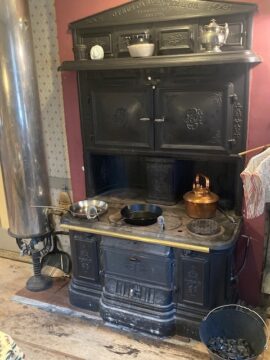
We love our antique coal range. Are we bad people? The answer is easily “Yes,” of course, but it has less to do with our infatuation with the coal range than with our membership in the club of approximately 1.5 billion in the industrialized world. Our utter dependence on the energy-intensive collective economic system of the developed nations makes us pretty damned rapacious, by historical standards. Our individual dependence on the coal range, not so much. The gargantuan footprint of the human enterprise is nothing any of us can do a thing about. Therefore, I say, Gather ye anthracite while ye may.
Why bother with the hassle of such an antiquated heating system? We live in a rambling, restored, 18th century Maine farmhouse with 19th century additions and barn. My spouse, Don, is a retired cabinetmaker and carpenter, an aficionado of 19th century mechanical systems, and an amateur historian of Maine’s rural social life. He bought the stove decades ago and, with the help of a local mason, installed the edifice into the opening of an existing kitchen fireplace. It required mortaring cast iron panels into a pre-built brick infrastructure. The stove thus sits flat against the fireplace wall instead of sticking out into the room like most cast iron stoves.
The original coal grate was burned out, so Don made a pattern of it in carved hardwood and delivered it to a foundry to be cast in iron. Coal grates must be bulky and heavy, as coal burns at a much higher temperature than wood and will destroy a wood grate. Don devised an iron pipe “water back” to go through the firebox and cemented it in place with refractory cement. (The original brass water back was missing.) Water runs through this water back, heats up, and fills the copper-nickel alloy “range boiler” to the left of the stove. From October through May, that is, during the heating season, all the hot water for the house is heated through the coal range. During the hot months we switch on the electric hot water heater and use a propane stove for cooking. Read more »

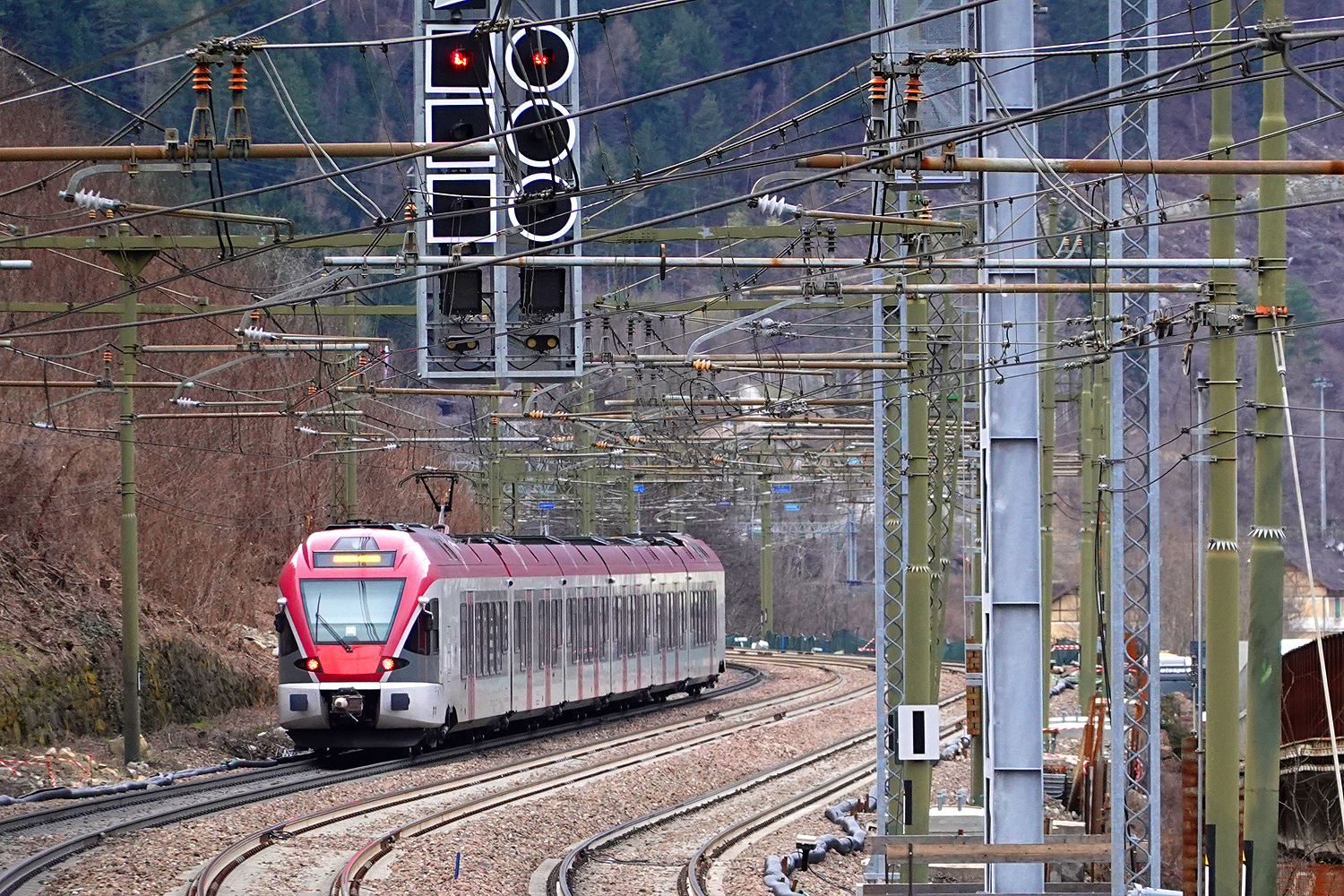




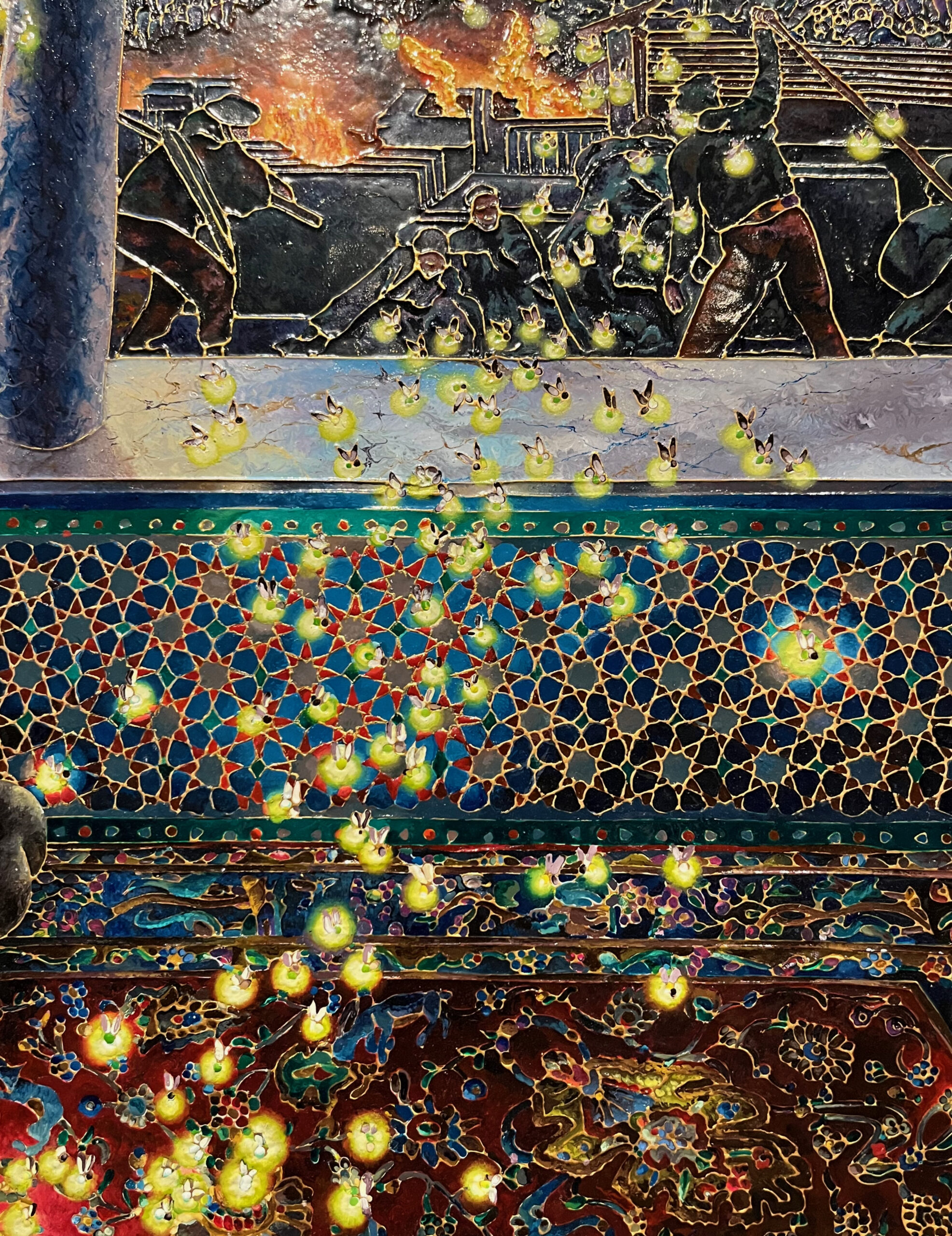 Raqib Shaw. Detail from Ode To a Country Without a Post Office, 2019-20. (photograph by Sughra Raza)



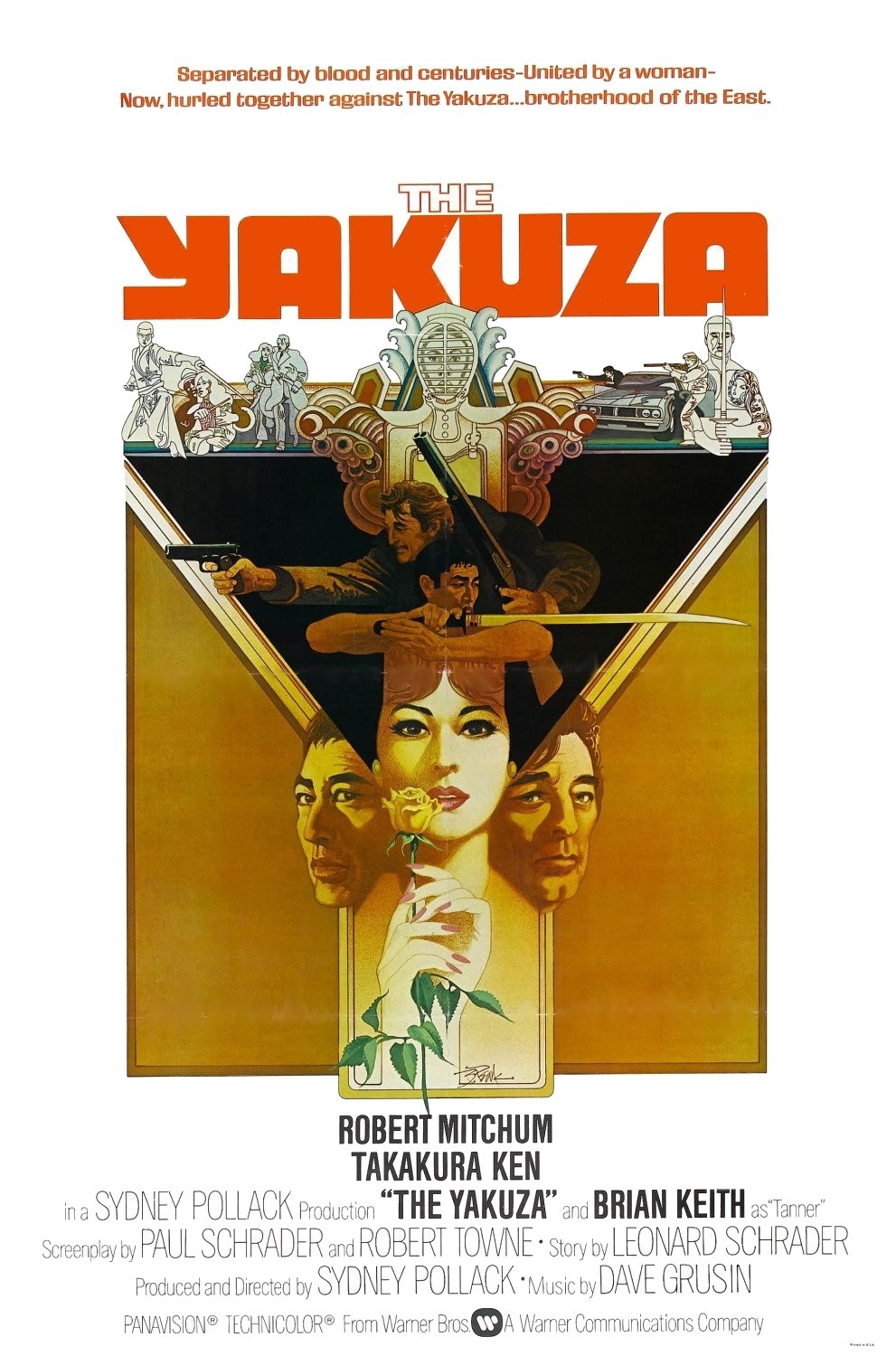 A few days ago I watched The Yakuza (1974), Paul Schrader’s screenwriting debut, and the following day I saw Andrei Tarkovsky’s Nostalghia (1983) at the cinema. These two films would never feature on a double bill together, and yet, due to having watched them within 24 hours of each other, they seem related in my mind, and I can’t help but interpret Nostalghia in light of The Yakuza.
 A few months ago, the Stanford biologist Robert Sapolsky released