by Akim Reinhardt
 The wealthy and powerful have always used the narrative to their advantage. The narrative defines them as superior in some way, and thus deserving of their power and wealth. In ancient times, they might be descended from the Gods, or at least favored by them or otherwise connected to them, perhaps through special communicative powers that granted them insights into the will of the Gods or God. In modern capitalist societies, that narrative promotes a fantasy of merit. You are rich and/or powerful because you are better. You are more civilized, better educated, more intelligent, or blessed with an exceptional work ethic. These narratives cast wealth and/or power as not only justifiable, but deserved.
The poor and exploited have always had the narrative used against them. The narrative defines them as inferior in some way, and thus deserving of their poverty and exploitation. In ancient times, they were conscripted by the Gods to serve the will of the Gods’ descendant, favored, and prophets. The poor serving the wealthy and/or powerful was the will of the Gods or God, and could extend into the afterlife. In modern capitalist societies, the narrative promotes a fantasy of the non-meritorious. You are poor and/or exploited because you are inferior. You are uncivilized, uneducated, stupid, or lazy. These narratives cast poverty and/or exploitation as not only justifiable, but deserved.
The middle class cannot use the narrative to their advantage to the degree that the wealthy and powerful do. The middle class can only use the narrative to modestly justify its modest advantages. The narrative does not demonize the middle class the way it does the poor and exploited. It does not cast them as savages, morons, or parasites. Instead, it frames the middle class as the laudable backbone of the nation, casting a moral sheen over them. This is consolation for the narrative subjecting the middle class to a volatile message of fear and hope. If you work really hard, and get a little lucky, maybe you’ll become wealthy. But never forget: while things are good enough for now, they are not great, and if you fuck up, you will be punished. For the middle class, the narrative is not just carrots and not just sticks. It is both, carrots and sticks. With a demon authoring half the pages, and an angel authoring the rest, the narrative is a see-saw that repeatedly raises them with promises of a bright future and drops them down to the edge of the precipice, while slathering them with a thin coating of goodness. Read more »
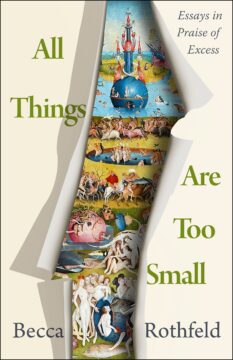


 In
In 
 In a recent essay,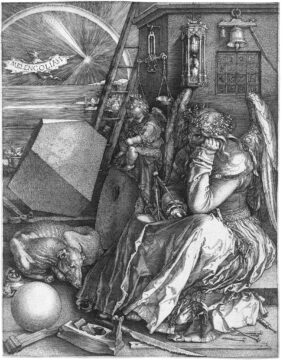
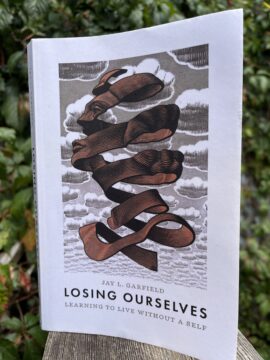 We’re living at a time when the glorification of independence and individualism is harming the world and others in it, as well as leading to an epidemic of loneliness. According to Jay Garfield, the root of suffering is in our self-alienation, and one symptom of our alienation is clinging to the notion that we are selves. “We are wired to misunderstand our own mode of existence,” he writes in his brief yet substantial 2022 book,

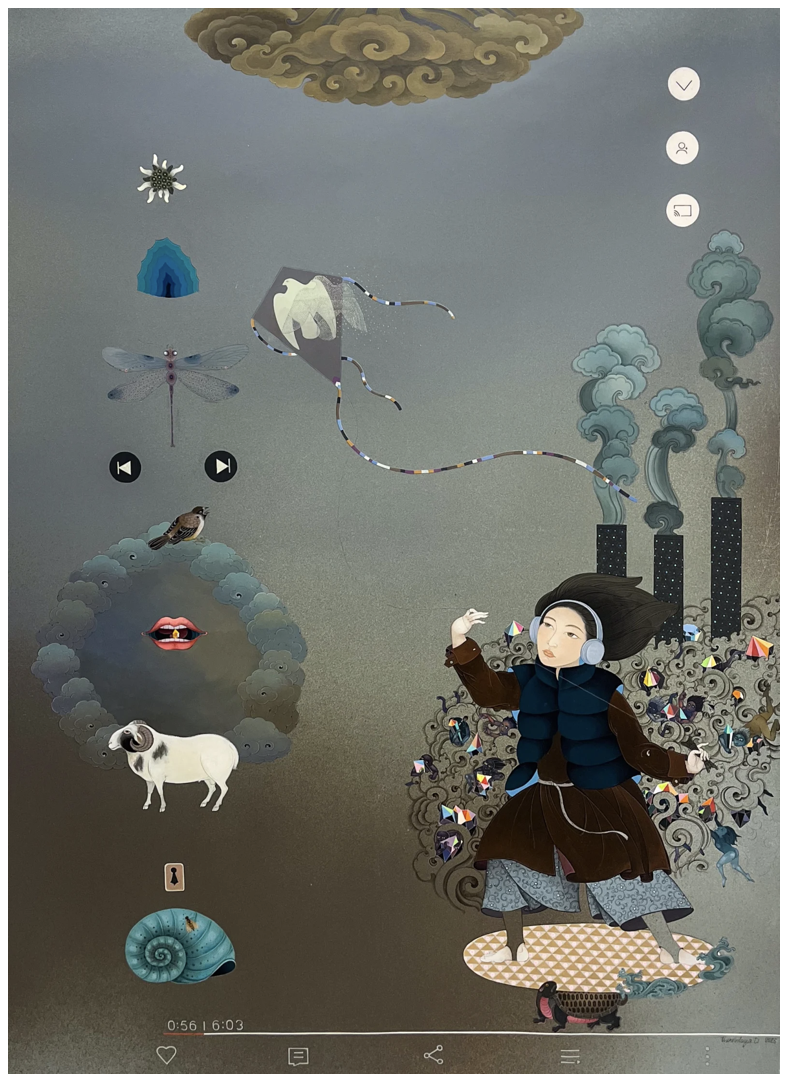 Uuriintuya Dagvasambuu (Mongolia). Woman in Ulaanbaatar: Dreams Carried by Wind, 2025.


 Wine tasting is a great seducer for those with an analytic cast of mind. No other beverage has attracted such elaborate taxonomies: geographical classifications, wine variety classifications, quality classifications, aroma wheels, mouthfeel wheels, and numerical scores. To taste wine, in this dominant model, is to decode—to fix a varietal essence, to pin down terroir as if it were a stable identity, to judge typicity (i.e. its conformity to a norm) as though it were the highest aesthetic ideal. The rhetoric of mastery in wine culture depends on this illusion of stability: Cabernet must show cassis and graphite, Riesling must taste of petrol and lime, terroir speaks in a singular tongue waiting to be translated.