by Laurie Sheck
1.
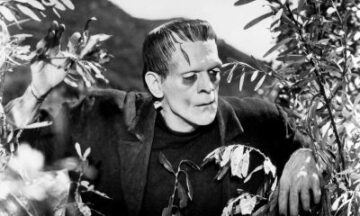
It has been over 200 years since Mary Shelley began writing Frankenstein in the stormy summer of 1816. Although she was only eighteen, she had already lost one child just days after giving birth; her second child, William, was a few months old. By the time Frankenstein was published, in 1818, Mary had given birth to a third child, Clara Everina, who would live for a little more than a year. It was within this context of rapid cycling between birth and death, welcoming and loss, joy and pain, that Frankenstein came into being. Mary’s own mother, the writer Mary Wollestonecraft, had died thirteen days after Mary’s birth.
The first edition was published anonymously on January 1, 1818, by the small London publishing house, Lackington, Hughes, Harding, Mavor & Jones, with a dedication to Mary’s father, the writer and political philosopher William Godwin, and an unsigned preface by Mary’s husband, Percy Shelley.
The reviews, though mixed, could be searingly negative. Most of them assumed the author was a man. Several conjectured the author was Percy Shelley himself.
“Our readers will guess from this summary, what a tissue of horrible and disgusting absurdity this work presents…Our taste and our judgment revolt at this kind of writing…it inculcates no lesson of conduct, manners or morality…it fatigues the feelings without understanding; it gratuitously harasses the heart….” The review ends wondering whether “the head or heart of this author is the most diseased.” (The Quarterly Review, January 1818).
A review in La Belle Assemble, was more positive, “This is a very bold fiction.” So was Walter Scott’s review in Blackwood’s Edinburgh Magazine where he pronounced the book, “An extraordinary tale, in which the author seems to us to disclose uncommon powers of poetic imagination,” though he found the self-education of the Monster, “improbable and overstrained.”
Although The Edinburgh Magazine found the Monster to be “a very amiable personage” it encouraged the anonymous author to “study the established order of nature as it appears…than to continue to revolt our feelings by hazardous innovations.”
The British Critic also referred to the “diseased” and “wandering imagination” of the author and suggested the writer “might be disciplined to something better.” “The writer of it is, we understand, a female: this is an aggravation of that which is the prevailing fault of the novel.” Read more »

 We humans think we’re so smart. But a
 Giant Tarantulas
 by Steve Szilagyi
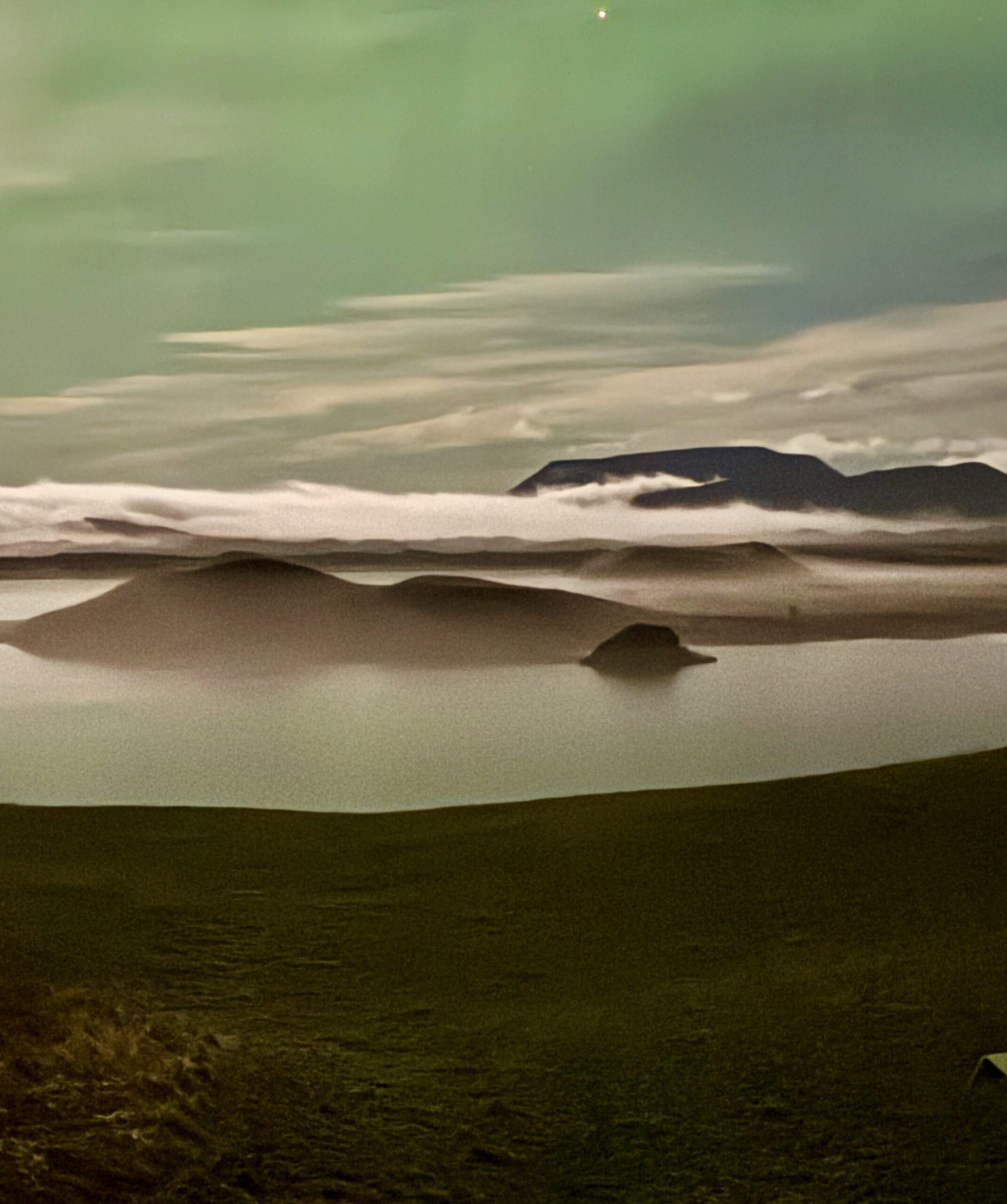 Jaffer Kolb. Lake Mývatn, October 13th, 12:08 am.



 A recent news story about the fate of Ernest Shackleton’s ship