by Philip Graham
In the first part of our conversation at 3 Quarks Daily, the writer Kipling Knox and I spoke of the parallels of our recent books: dappled with ghosts, in similar Midwestern landscapes, they’re also fictions that are expanding into world-building versions of themselves.
From there our conversation has turned, in Part 2, to how taking the road of independent publishing allows writers to attempt tactics–in the writing, production, presentation and marketing of their work–that would likely not otherwise be available to them. Perform a radio play version (with actors from Second City) of one of your collection’s stories, accompanied by live music? Done. Drive through the country and deposit free copies of your novel in Little Free Libraries? Ditto. Illustrate your books with original photos, or line drawing? Yes. Have readers fan out across the world (the Coliseum in Rome, the Ubud Monkey Sanctuary in Bali, etc) to drop off mysterious cards that link to your novel? You bet.
Philip Graham: So, to continue. We have both, as authors, recently explored our own pathways that veer from traditional publishing models—you, at the beginning of your career, and I near the tail end of mine. Under the Moon in Illinois: Stories from a Haunted Land, your first book, arrived from an independent publishing house you founded, Prairie State Press. The book is beautifully illustrated with your own evocative photos, and there are even eerie videos of two of the stories, both of which feature music by your son. You’ve even created events that seem to rise above the usual book signing appearances. I’d love to hear more of how you gave yourself agency in this project.
Kipling Knox: I think once you decide that you’re not going to try to chase benefactors in traditional publishing, a lot of creative avenues open up. When you become an indie publisher for your work, you own all your intellectual property and you can expand or riff on it however you like. For my first book I just kept adding things to enhance the overall experience of the stories. As you say, there are photos in the book, and audio versions of some of the stories, backed by my son’s music. I made a few videos. And then we put on a really fun show, where I adapted one of the stories into a radio play. We had actors from Chicago’s Second City come down and read with me, and my son’s band played an original score. But I didn’t set out to do all these things at the beginning. It was more that at each turn, we thought about what would make the material more interesting for people.
PG: Actors from Second City! I love this. Please, tell me more.
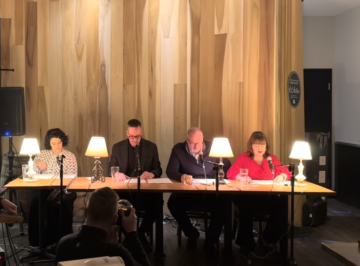 KK: One of my best friends from high school, Brian Boland, was a regular on the main stage at Second City, which helped define improvisational comedy and produced so many famous comic actors. He’s also an accomplished voice actor and has been in some ads our readers have probably seen (like for Geico). He brought two of his colleagues and they each took on characters in the story, “The Ad Man After Dark.” It was amazing to witness how they brought the characters to life and entertained the audience. Read more »

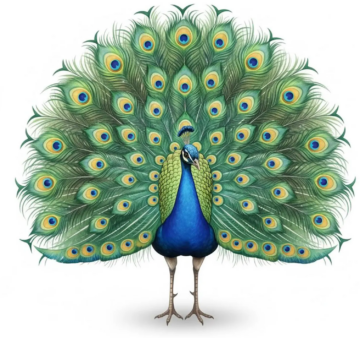 Do birds have a sense of beauty? Do they, or does any animal, have an aesthetic sense? Do they respond to beauty in ways we might find familiar – with a feeling of awe, suffused with attraction, mixed with joy? Do they seek it out, and perhaps even work to fashion it from their surroundings? Darwin thought so, and made the idea the subject of his second major work, The Descent of Man (1871). In it, he outlined a mechanism by which the sense of beauty might, by shaping mating preferences, work to shape the form of insects, fish, and birds in a manner parallel to the better known process of natural selection. The resulting beauty of form, sound, or movement, Darwin argued, is neither the result of intelligent design, nor a necessary indication of superior fitness. Beauty, as

 In a recent interview in the


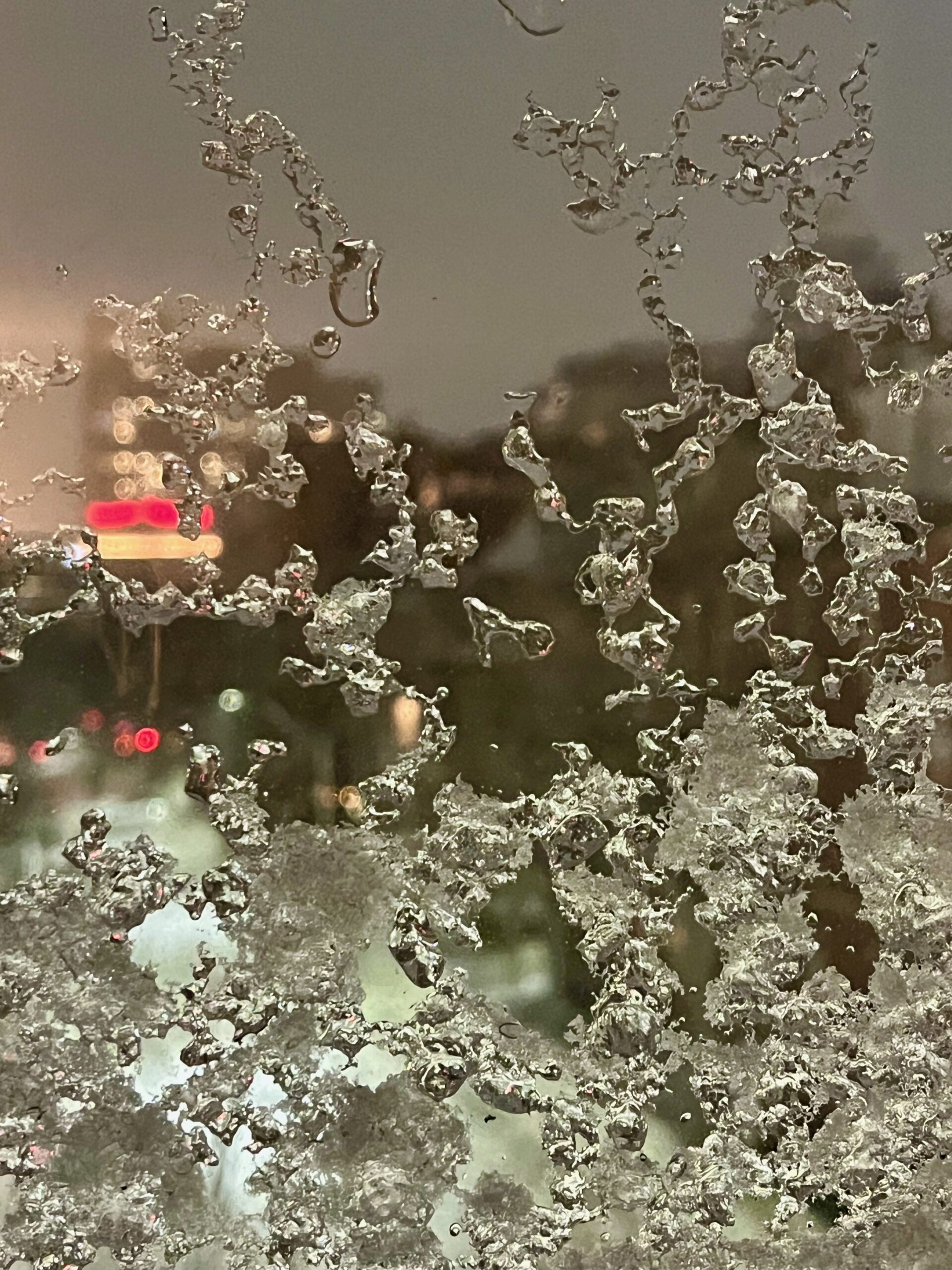 Sughra Raza. Blizzard in Fractals. Boston, February, 2026.
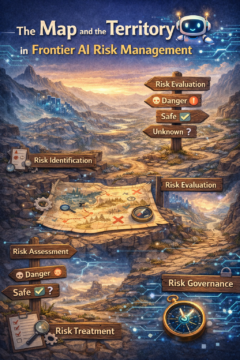 Over the past year, there has been significant movement in AI risk management, with leading providers publishing safety frameworks over the past year that function as AI risk management. However, the problem is that these are not actually proper risk management when you compare them to established practice in other high-risk industries.
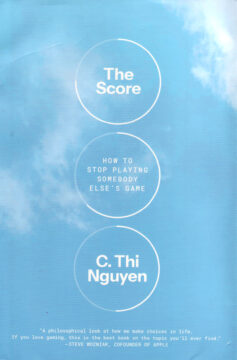 C. Thi Nguyen’s The Score: How to Stop Playing Somebody Else’s Game (Penguin, 2026;
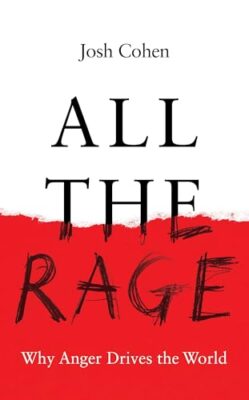 How can we possibly approach the world today without being in a constant stage of rage? Philosopher and psychoanalyst Josh Cohen’s