
by Bill Murray
 We humans think we’re so smart. But animals and plants, too, have far more wisdom and abilities than we give them credit for. This is the third in an occasional series of links to the remarkable world of non-human abilities. The first two are here and here.
Zebra finches pick singing coaches based on songs they hear as embryos. The songs that Australian zebra finches hear before they have hatched influence which birds they choose as singing instructors when growing up.
Hammerhead sharks close their gills, essentially holding their breath as they dive more than 2,600 feet from tropical surface waters into the ocean’s frigid depths multiple times every night to hunt for fish and squid.
 Giant Tarantulas keep tiny frogs as pets so that the frog can protect the spider’s eggs from insects and the spider can protect the frog from predators.
Bats remember favors and hold grudges; socially distance and go quiet when ill; and use vocal labels that reveal individual and kin identity. Male bats learn territorial songs in specific dialects from their fathers and, much like birds, sing these songs to defend territory and attract mates, which scientists characterize as culture.
Insects in general do not rely on steady flow of air but create controlled turbulence called a vortex at the top of their wings. By sweeping their wings at a sharp angle bees generate “horizontal mini-tornadoes” to carry them aloft.
Penguin huddles move and change shape during cold winds to minimize the heat loss each penguin experiences. Read more »


 by Steve Szilagyi
 Jaffer Kolb. Lake Mývatn, October 13th, 12:08 am.





 A recent news story about the fate of Ernest Shackleton’s ship
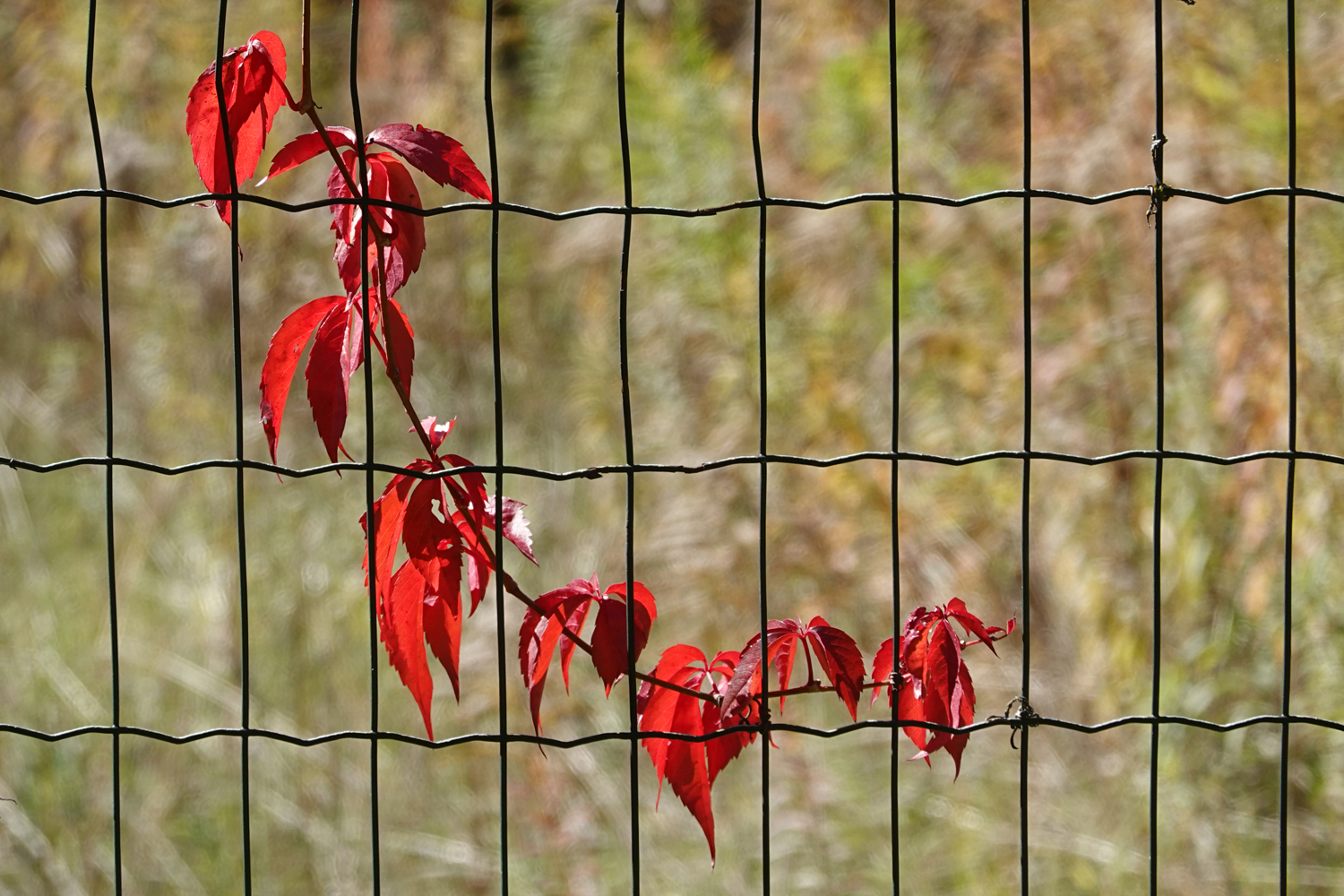


 Sughra Raza. Under Construction. December 2023.