by Michael Liss
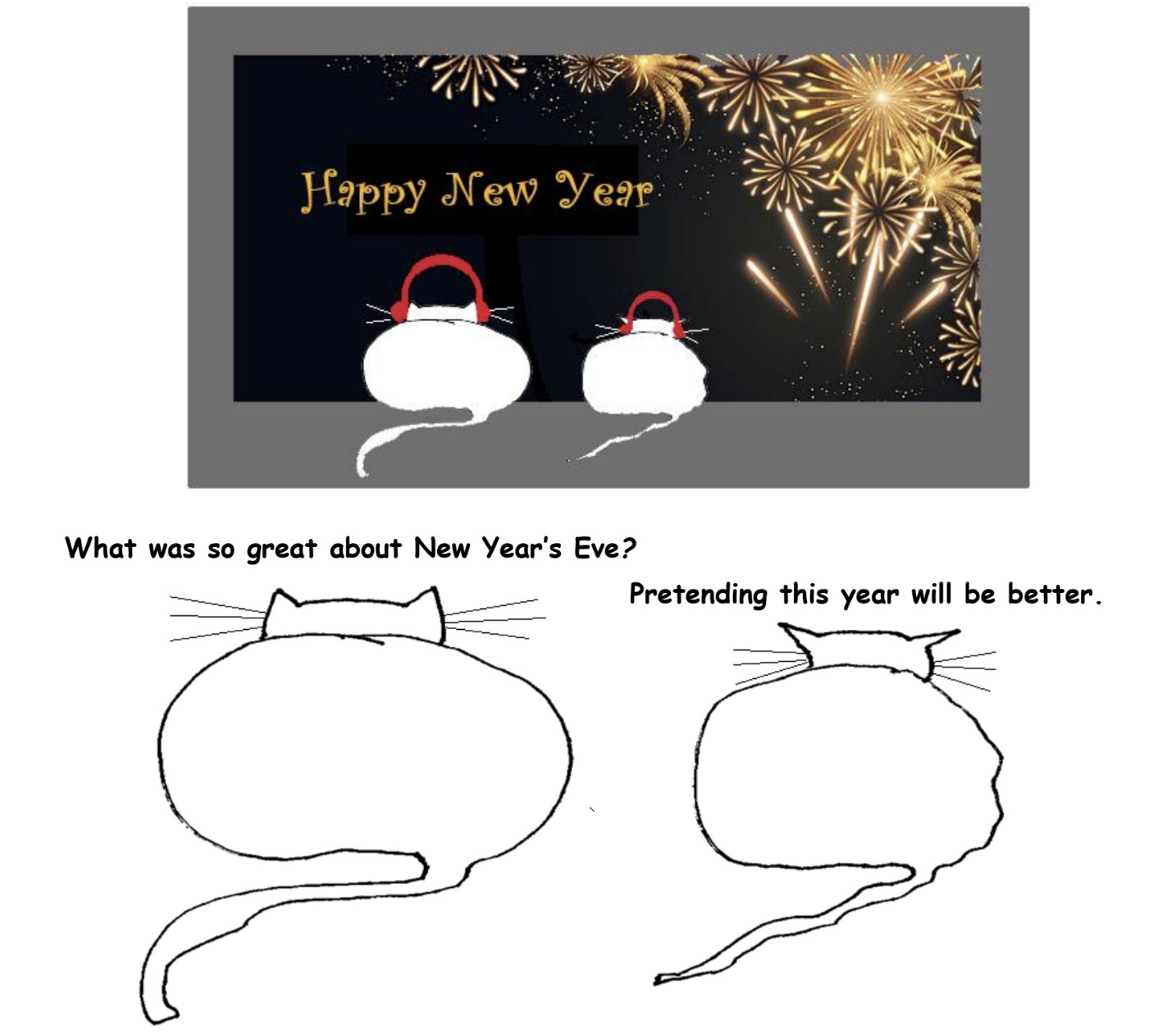
 January 1, 2024. Happy New Year! Just eleven months and five shopping days before Election 2024. Whether you find it comforting that 2024 also happens to contain an extra day might be the best marker of how Political Seasonal Affective Disorder has impacted you. Personally, I haven’t been sleeping particularly well.
The New Year is often about taking stock, and if I’m counting correctly, this is my 101st essay for 3 Quarks Daily. The majority have been about American history, American politics, and what is ostensibly American law but looks a lot like politics.
Last August, as the 49th anniversary of Richard Nixon’s resignation drew near, I started a series about the chaos of the late 1960s/early 1970s and how Presidents can lose their hold on the White House. That led me back to two men, one famous, the second memorable, who, to this day, in different ways, have had an impact on the way I think.
I will come to Henry Kissinger shortly, but I first want to spend a little time celebrating Walter Kaufmann. This is not the prolific philosopher Walter A. Kaufmann who was a pre-World-War-II expat from Germany, got his PhD at Harvard, and spent most of his career at Princeton. My Walter Kaufmann is Walter H. Kaufmann, who was also a German expat, got his PhD at the New School for Social Research, and, in 1953, published Monarchism in the Weimar Republic. My Dr. Kaufmann liked a cigar, a good story, and a better glass of wine. He also taught at my high school—German to those less linguistically challenged than I was, AP European History to voluble (in English) types like me. Dr. Kaufmann had a certain cool about him, in no small part for having gone to grade school with Werner Klemperer, son of the conductor Otto Klemperer, and, to Dr. K’s enduring dismay, the future Colonel Klink.
Like all good little suburban students, we took AP classes to take AP exams to score high enough to get college credits. Dr. K was a realist, but wanted to teach this subject on his terms. The word went out that no one got higher than a 93, his logic being that no one could know anywhere near 100% of the subject matter. So, if you were in the running for Valedictorian or Salutatorian and/or cared very much about your final class rank, to learn at the feet of Dr. K came with some obvious risks. Read more »
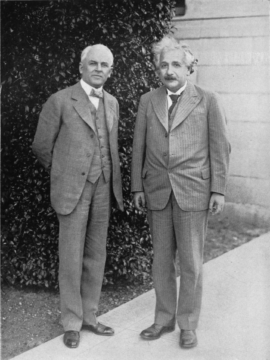 The photograph beside this text shows two men standing side by side, both scientific celebrities, both Nobel prizewinners, both of them well-known and well-loved by the American public in 1932, when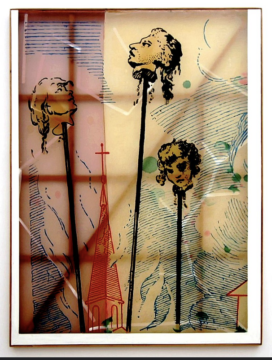

 Sughra Raza. Breaking Point.

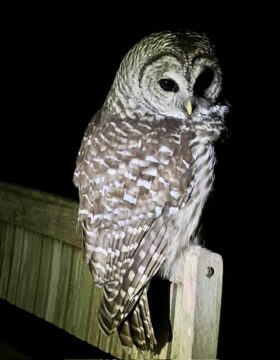 Two weeks after my wife died this past October, she briefly returned. Or so it seemed to me.
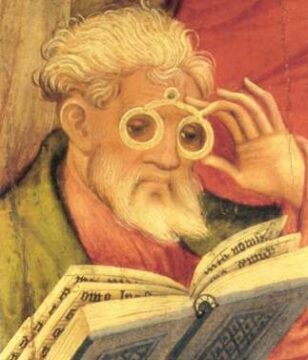 I’m haunted by the enormity of all of that which I’ll never read. This need not be a fear related to those things that nobody can ever read, the missing works of Aeschylus and Euripides, the lost poems of Homer; or, those works that were to have been written but which the author neglected to pen, such as Milton’s Arthurian epic. Nor am I even really referring to those titles which I’m expected to have read, but which I doubt I’ll ever get around to flipping through (In Search of Lost Time, Anna Karenina, etc.), and to which my lack of guilt induces more guilt than it does the real thing. No, my anxiety is born from the physical, material, fleshy, thingness of the actual books on my shelves, and my night-stand, and stacked up on the floor of my car’s backseat or wedged next to Trader Joe’s bags and empty pop bottles in my trunk. Like any irredeemable bibliophile, my house is filled with more books than I could ever credibly hope to read before I die (even assuming a relatively long life, which I’m not).
 It might strike you as odd, if not thoroughly antiquarian, to reach back to Aristotle to understand gastronomic pleasure. Haven’t we made progress on the nature of pleasure over the past 2500 years? Well, yes and no. The philosophical debate about the nature of pleasure, with its characteristic ambiguities and uncertainties, persists often along lines developed by the ancients. But we now have robust neurophysiological data about pleasure, which thus far has increased the number of hypotheses without settling the question of what exactly pleasure is.
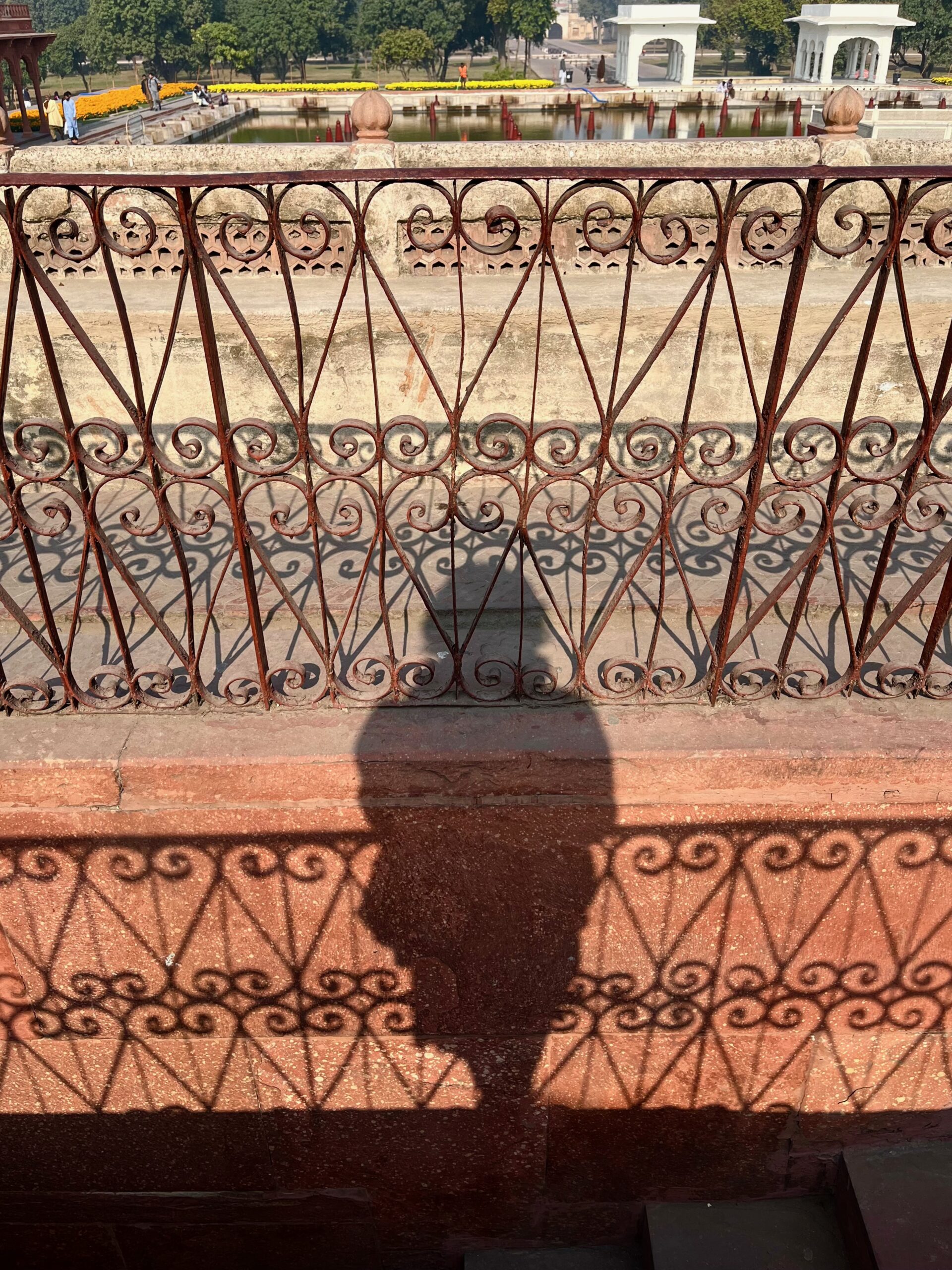 Sughra Raza. Self Portrait in Praise of Shadows. Shalimar Bagh, Lahore, December 10, 2023.