by Gus Mitchell
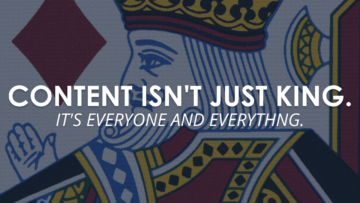
In Henry VI, Shakespeare seems to have coined the expression “heart’s content.” The phrasemaking of King Henry is telling: “Her grace in speech”, he says of his Queen, “makes me from wondering, fall to weeping joys. / Such is the fulness of my heart’s content.”
Juxtaposing “wondering” to the joyous “fullness” of “content”, he describes the process of joy as an escaping of the potentially infinite vagaries of thinking; it is held in the intuitive knowing of the heart. To feel content, then, is to rejoice in a feeling of fulness beyond the need for further words, for further inputs or outputs, a fulness which depends, implicitly, on the felt presence of a pre-inscribed limit –– a container –– beyond which no more wanting or needing is possible.
Content derives from the Latin contentus (contained; satisfied) and continere (to hold together/enclose) – from the root com (with, together) and tenere (to hold). Content is a noun, a verb, an adjective, but common to all of these is the sense of something held, kept together, contained. It is a symptom of our inverted times that content has now means something radically alien. Content as an attainable feeling vanishes as the content of the internet proliferates.
Google “What is Content?” and you will encounter an infinitude of web pages explaining the concept of content marketing; the indispensability of superior content for your brand; how to use content strategically, on and on. The word itself is a blank: “Most businesses already engage in content marketing in some form by creating consumable content that is published on a public platform to generate brand awareness.” Read more »
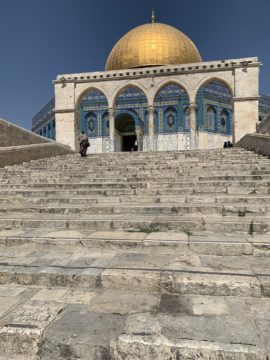 Masjid Al Aqsa, or The Far Mosque of Jerusalem, as the Quran calls it, is emblematic of the spirit of compassion and transcendence for Mevlana Rumi. “A heart sanctuary,” in the words of Rumi in his poem “The Far Mosque,” Al Aqsa represents a conquest over the egoistical desires of dominance, greed, vanity, violence and supremacy. It is held together by the sacred energy of merciful love, even “the carpet bows to the broom/the door knocker and the door swing together/like musicians.”
 In 2016,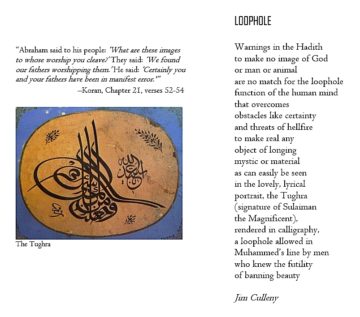
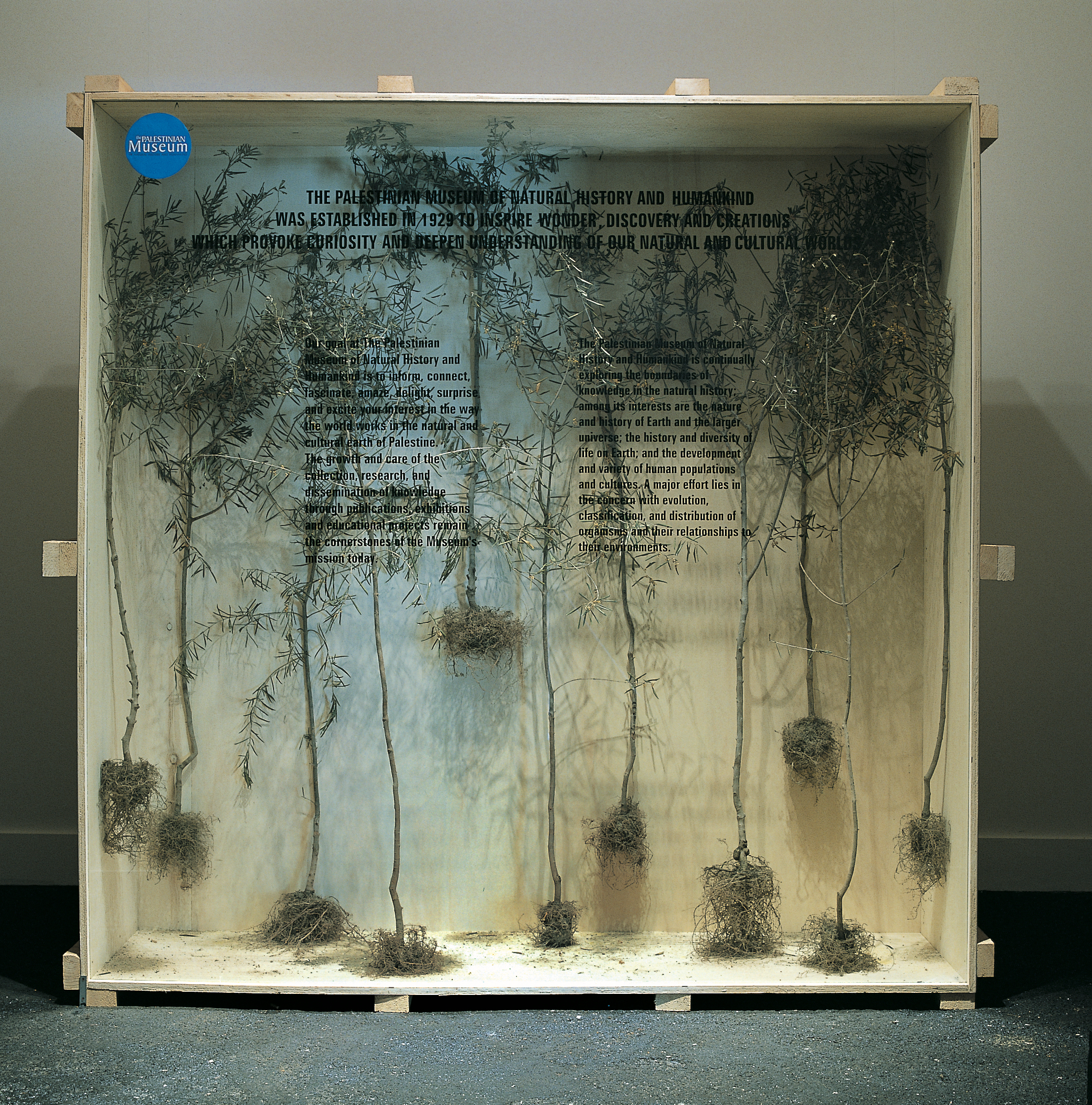 Khalil Rabah. About The Museum, 2004.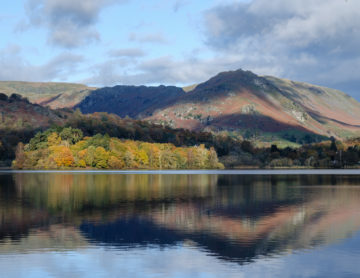
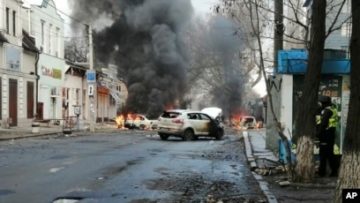 If a city could be an organism, then Kherson in Eastern Ukraine would be a sick body. For eight months, between March and November 2022, Kherson was occupied by Russian forces. Kidnapping, torture, and murder – in terms of violence and cruelty, Kherson’s citizens have seen it all. Today, even though liberated, the port city on the Dnieper River and the Black Sea is still being regularly bombarded: a children’s hospital, a bus stop, a supermarket. Even though freed, how could this city ever heal?
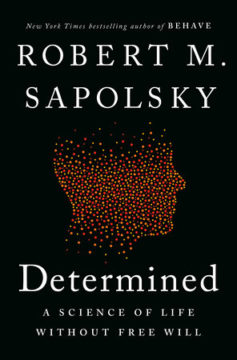 Two popular books released this year have breathed new life into the ancient debate over whether we have free will.
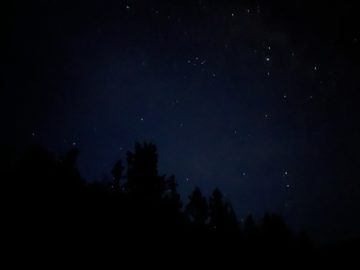 We all naturally take an interest in the night sky. Just last week, my fiancee and I attended an event put on by the Astronomical Society of New Haven. Without a cloud in the sky, near-freezing temperatures, and a new moon, the conditions were ideal for looking through telescopes the size of cannons. To see anything, you had to stand in line, in the cold, for your opportunity to look at something for a minute.