by Marie Snyder
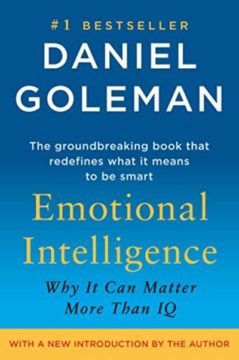 Daniel Goleman’s Emotional Intelligence: Why It Can Matter More than IQ, was originally published in 1995 but more recently updated in a 25th anniversary edition in 2020. Well, he added a new introduction, but no study or concept in the book was updated despite huge changes in our lives since then and tons of new studies with updated technology. It’s kind of refreshing to read a book about the problem with kids today without a single mention of phones, but it feels a little sloppy. Goleman is a science journalist without a clinical practice in psychotherapy as far as I can tell. While his book is about how to be smart according to the front cover, it’s also being used in psychotherapy. It’s a fast, engaging read, but I have some concerns about the content and application.
The book outlines the need for emotional intelligence (EI) to be overtly taught to children, explains the psychoneurology of EI, argues for the primacy of emotional intelligence for success, adds in the need for emotional supports, and ends with a call for parents to be better educated as well. The principle underlying Goleman’s text is that there are four specific domains, adapted from Salovey & Mayer, that emerge from the activity of our brain circuits that have more of an impact on our general well being than does our intelligence: self-awareness, self-management (formerly motivation and self-regulation), empathy, and skilled relationships. Goleman explains that people will be better off emotionally, relationally, and vocationally if they develop their emotional intelligence to identify and understand their feelings as they happen, manage them effectively, understand other people’s feelings, and relate to others more positively. With a calm mind, people can make better decisions, which positively affects all other aspects of their life. Goldman has used these domains to help to develop educational programs to teach children Social-Emotional Learning (SEL) in the schools through the CASEL organization. I feel like it goes without saying that being able to manage our emotional experiences helps in other aspects in our lives, so I’m all in at this point. Read more »





 The man who’d spoken to me before appears at my side and whispers into my ears again.
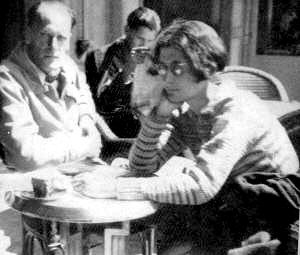 In the past decade, the writer Simone Weil has grown in popularity and continues to provoke conversation some 80 years after her death. She was a writer mainly preoccupied with what she called “the needs of the soul.” One of these needs, almost prophetic in its relevance today, is the capacity for attention toward the world which she likened to prayer. Another is the need to be rooted in a community and place, discussed at length in her last book On the Need for Roots written in 1943.
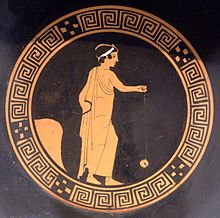
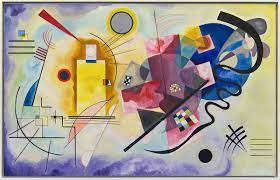 In debates about hedonism and the role of pleasure in life, we too often associate pleasure with passive consumption and then complain that a life devoted to passive consumption is unproductive and unserious. But this ignores the fact that the most enduring and life-sustaining pleasures are those in which we find joy in our activities and the exercise of skills and capacities. Most people find the skillful exercise of an ability to be intensely rewarding. Athletes train, musicians practice, and scholars study not only because such activities lead to beneficial outcomes but because the activity itself is satisfying.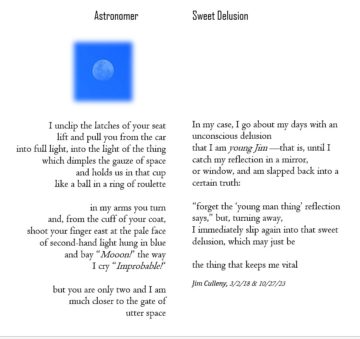
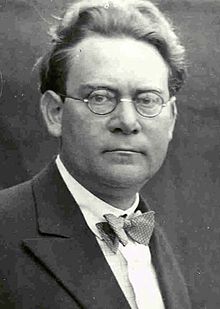

 I’m excited about the imminent Halloween publication date of
  South Asian literature. As part of this, I was delighted to be sent