by Jeroen Bouterse
 In 2015, political scientist Larry Diamond warned against defeatism in the face of what he called the democratic recession. “It is vital that democrats in the established democracies not lose faith. […] If the current modest recession of democracy spirals into a depression, it will be because those of us in the established democracies were our own worst enemies.” A few years later, as the world’s most powerful democracy had decided to play out that darker option, Diamond wrote with more urgency about how to protect liberal democracy worldwide. In Ill winds, he emphasized the need to provide not only a rejection of alternatives, but a positive vision. “Democracy must demonstrate that it is a just and fair political system that advances humane values and the common good.”
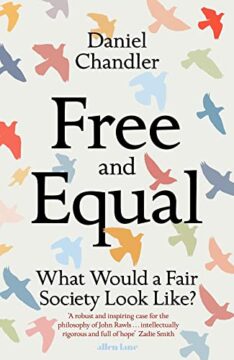
Daniel Chandler places his book Free and Equal (2023) in this same context: for fifteen years in a row, more countries have experienced democratic backsliding than improvement, and the threatened state of democracy worldwide makes it “tempting to go on the defensive”. However, just playing defense is not enough; an ambitious vision for improvement is necessary. “In a moment that calls for creativity and boldness, all too often we find timidity or, worse, scepticism and cynicism”. Chandler believes he has found a recipe for combining the values of liberalism with the spirit of progress and reform.
This combination is crucial. One of the most dangerous narratives taking root in the collective subconscious is that liberalism has had its day; that history is moving on, that liberal democracy belonged to a geopolitical era that is coming to an end, something we tried and that we know the limits of; a system that has already given all it will ever be able to give. Well, not if Chandler has anything to say about it. “There are plenty of exciting and workable ideas about how we could do things differently”, he announces. As our guide to these ideas he has selected John Rawls, and this is quite plainly an excellent decision: Rawls is at the center of 20th-century liberal political thought, but also utopian and principled to an extent that he can hardly be accused of rationalizing an already-existing situation. It makes complete sense to use him as a rallying point for a forward-looking form of liberalism. Read more »

 The Sufis aspire to the highest conception of love and understand it to be the vital force within, a metonym for Divine essence itself, obscured by the ego and waiting to be recovered and reclaimed. Sufi poetry, in narrative, or lyric form, involves an earthly lover whose reach for the earthly beloved is not merely a romance, rather, it transcends earthly desire and reveals, as it develops, signs of Divine love, a journey that begins in the heart and involves the physical body, but culminates in the spirit.
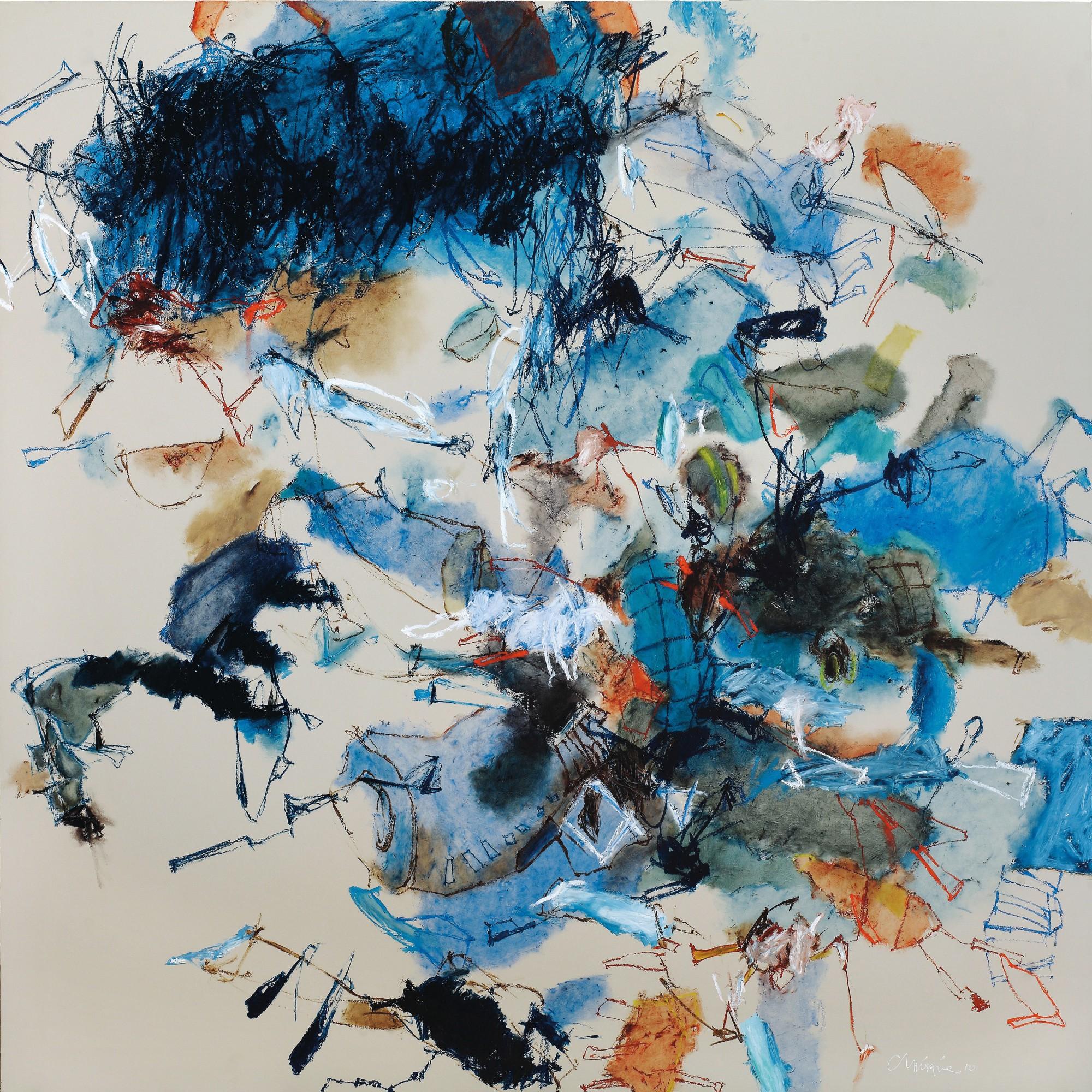 Christine Ay Tjoe. First Type of Stairs, 2010.
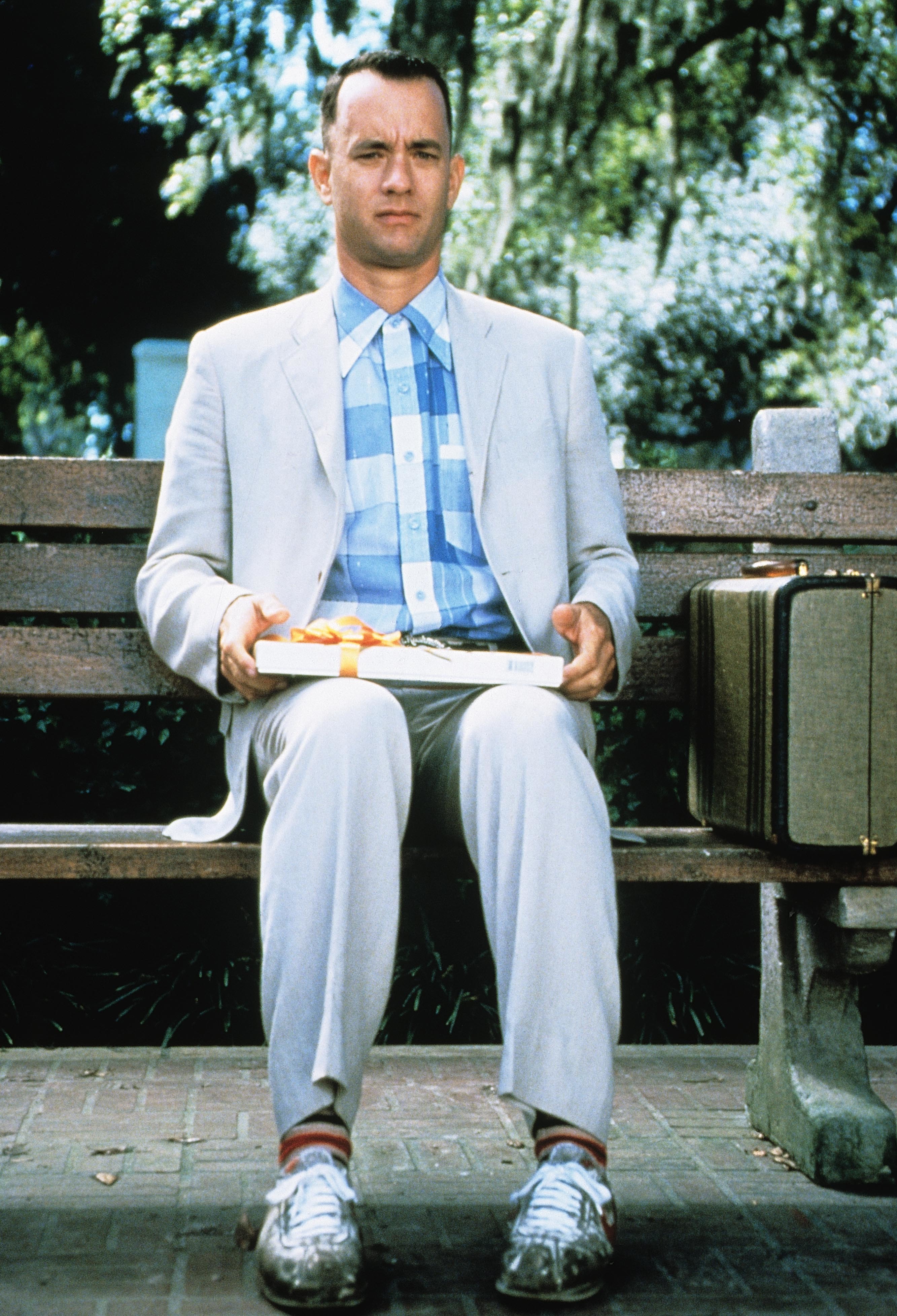 Two spaces after a period, not one. If a topic sentence leading to a paragraph can get a whole new line and an indentation, then other new sentences can get an extra space. Don’t smush sentences together like puppies in a cardboard box at a WalMart parking lot. Let them breathe. Show them some affection. Teach them to shit outside.
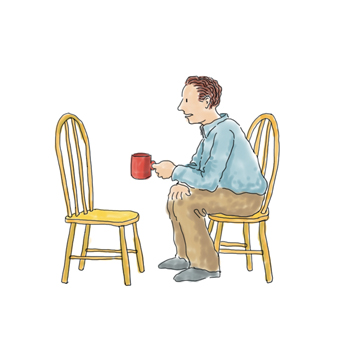 Over thirty years ago I was in an on-again-off-again relationship that I just couldn’t shake. After months of different types of therapies, I lucked into a therapist who walked me through a version of the Gestalt exercise of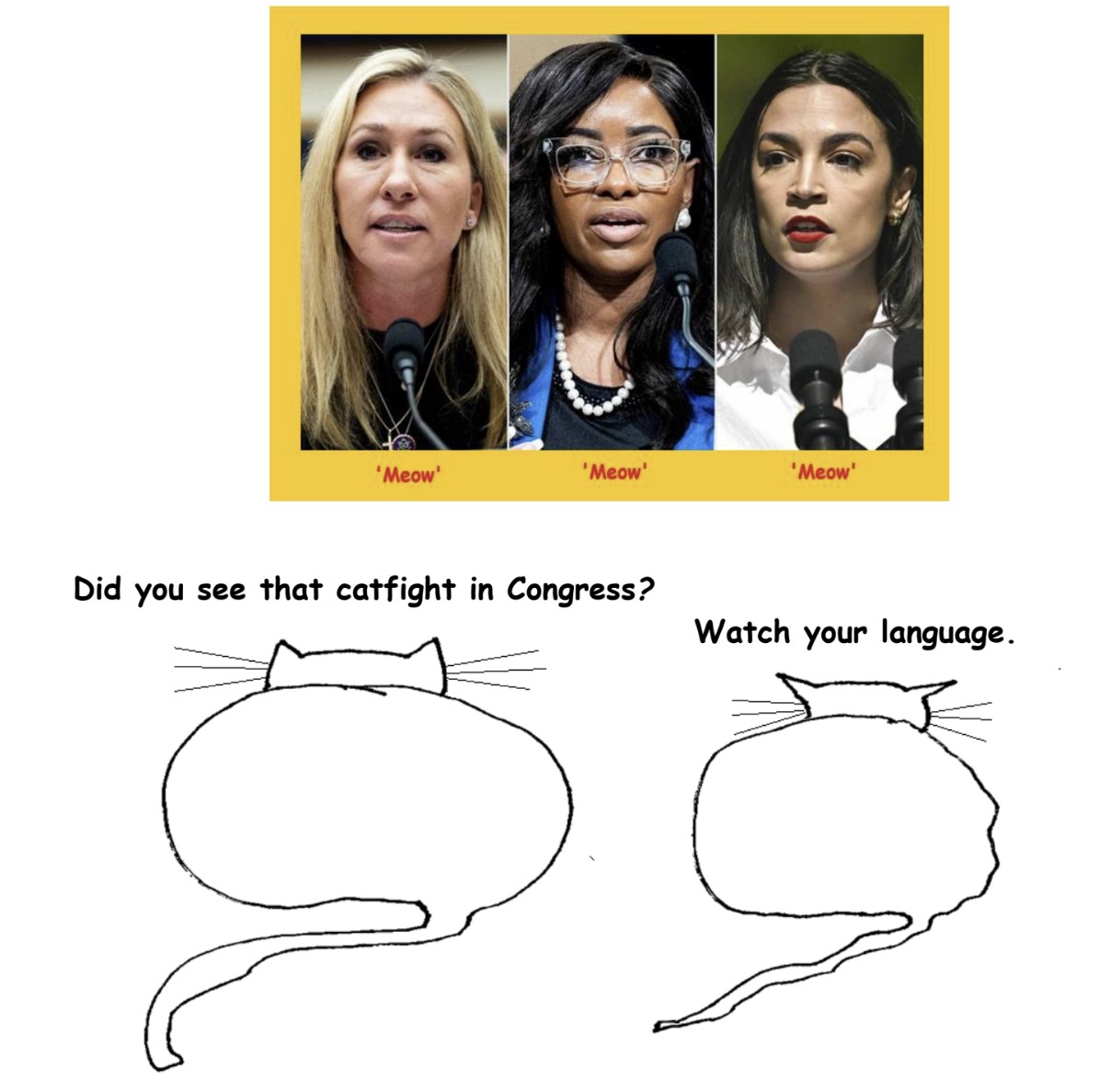
 I was asked recently to speak at the University of Toronto about poetry in translation, a topic close to my heart for a number of reasons. I happened at the time to be working on a text concerned, not with translating poetry, but with lyric expression in its most practical form: that is, as a commodity with a material history, as an object that can be traded, one with an exchange value as well as a use value (however the latter might be defined, or experienced).
 Once again the world faces death and destruction, and once again it asks questions. The horrific assaults by Hamas on October 7 last year and the widespread bombing by the Israeli government in Gaza raise old questions of morality, law, history and national identity. We have been here before, and if history is any sad reminder, we will undoubtedly be here again. That is all the more reason to grapple with these questions.
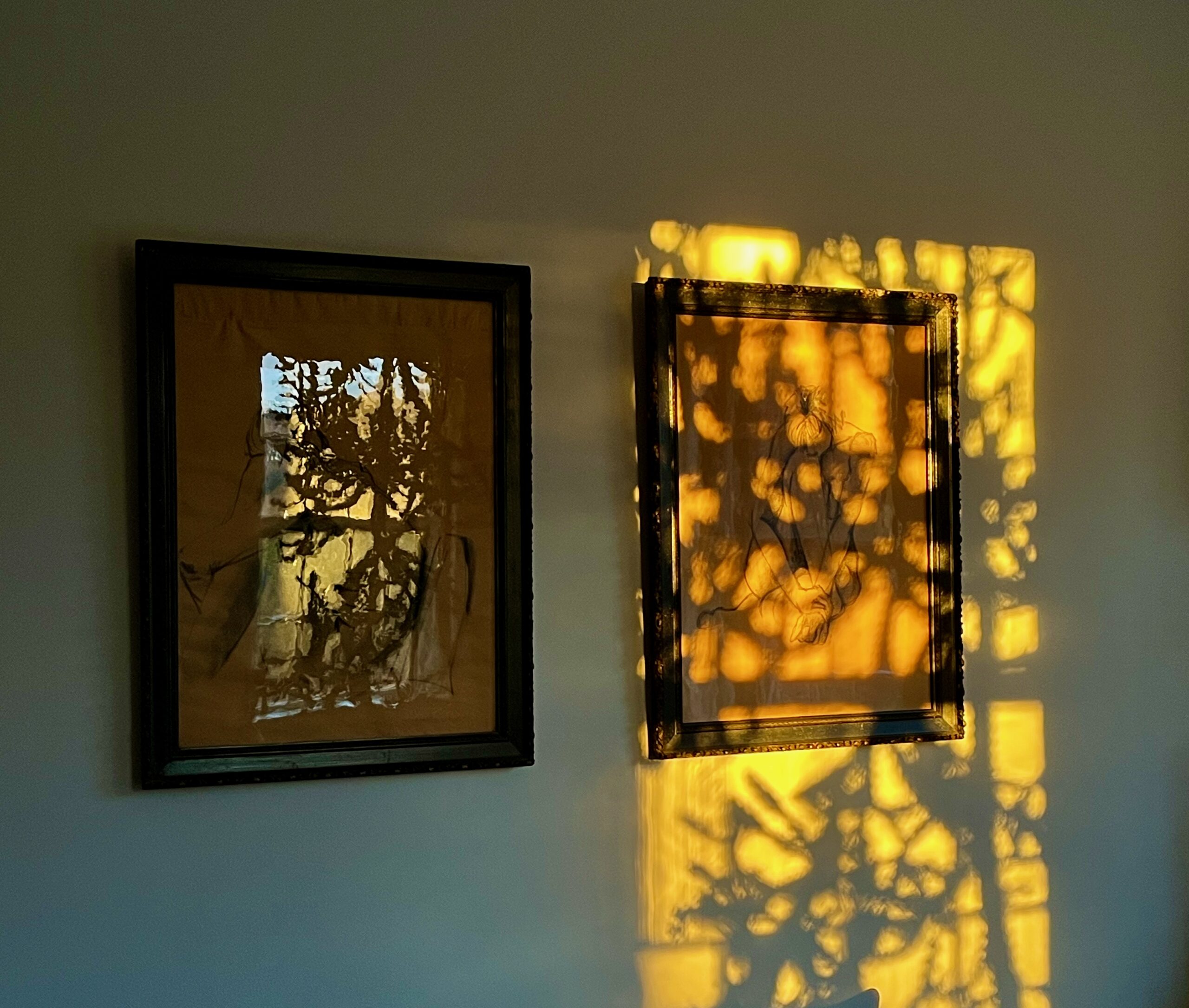 Sughra Raza. Light Play in The Living Room, November 2023.
 One of nature’s most endearing parlor tricks is the ripple effect. Drop a pebble into a lake and little waves will move out in concentric circles from the point of entry. It’s fun to watch, and lovely too, delivering a tiny aesthetic punch every time we see it. It’s also the well-worn metaphor for a certain kind of cause-and-effect, in which the effect part just keeps going and going. This metaphor is a perfect fit for one of the worst allisions in US maritime history, leading to the collapse of Baltimore’s Francis Scott Key Bridge after it was hit by the container ship MV Dali on the morning of March 26, 2024.