by Steve Szilagyi
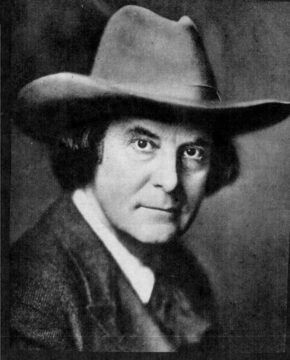
How would you act as a great ship slipped beneath the waves? Freeze? Panic? Leap into the sea? If you were a man, would you quietly help women and children into the lifeboats? We all wonder. Elbert Hubbard wondered too. In 1912, less than a month after the Titanic vanished into the Atlantic, he sat at his desk and wrote The Titanic, a vivid imagining of the ship’s final moments. He studied the behavior of the wealthiest passengers, John Jacob Astor, Benjamin Guggenheim, George Dunton Widener—and found it good.
“There was not a single case of flinching—not one coward among the lot. The millionaires showed themselves worthy of their wealth,” Hubbard exulted. He reserved special admiration for Isadore Strauss, heir to the Macy’s fortune, and his wife, Ida. When offered a place in a lifeboat, Ida refused to leave her husband. “All these years we have traveled together,” she said. “And shall we part now? No, our fate is one.” The two were last seen walking into their stateroom, arm in arm, to meet death side by side.
Most of us will never face that test. But Elbert Hubbard did. Three years later, he and his wife Alice were first-class passengers on the Lusitania’s final crossing. And when German torpedoes tore through the liner’s hull, Hubbard found himself living the very scenario he had once so confidently narrated. How would he face it? Did he flinch?
Before departing, a friend warned him of the danger. Hubbard waved him off. “I have no fear of going down with the ship,” he boasted. “I would never jump and scramble for a lifeboat.”
Brave words—but Hubbard was above all, a man of words. By then, he had moved perhaps a hundred million copies of a pamphlet called A Message to Garcia, delivered countless lectures, and built a public persona as an oracle of success. Admirers called him an inspiration; critics called him a huckster. He was hard to categorize, slippery to define.
To understand how he ended up on the deck of a sinking ship, we need to return to where his journey began. Read more »

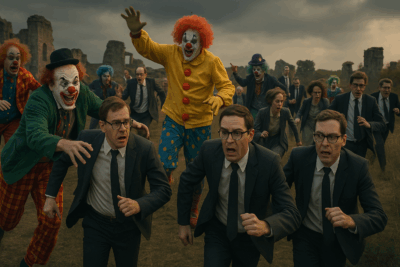 Today’s modest topic is the future of the West. Will it end in a bang, whimper or maybe just sort of muddle through in some zombie stagger? Whatever happens, a quarter of the way through the American Century, the standard of liberal democracy we hoisted as global inevitability twenty years ago hangs by the scruff of the neck and its enemies are eager to boot it straight into irrelevance.




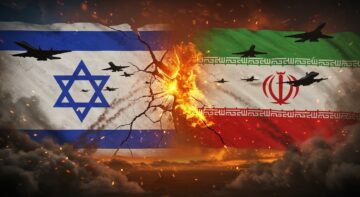 Watching Israel and Iran lob bombs at each other these last few weeks makes me tired. Just when the world seemed completely destabilized and clinically looney, two countries who both trace their religions back to Abraham or Ibrahim decide to make things worse. I know you’re supposed to reach for the most recent issue of Foreign Affairs or parse treaties on nuclear non-proliferation to make sense of this missile orgy, but this latest war might make you reach for your earplugs and blindfold instead.
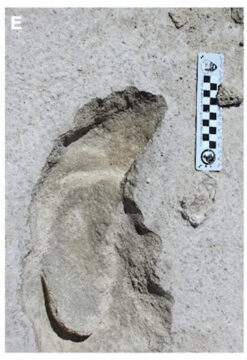


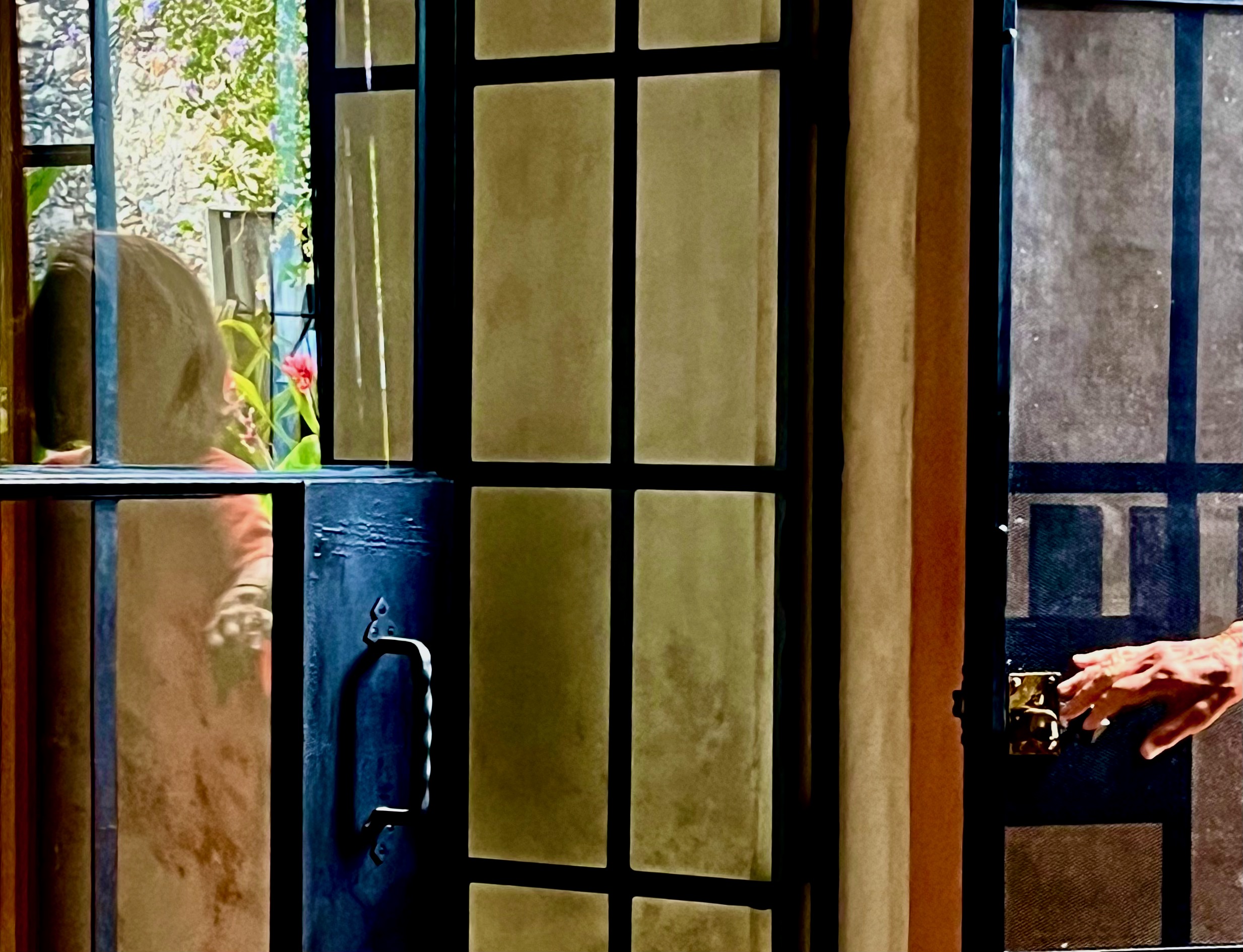 Sughra Raza. The Visitor. Mexico, March 2025.