
by Mike Bendzela
Back when our local university still believed that a survey of English literature was a prerequisite for a “higher” education; before a drop in enrollments triggered a huge budget crisis culminating in hiring freezes, “retrenchments,” and amputated departments; I still taught an Introduction to Literature course that allowed me the freedom to construct a syllabus of my choosing (a boon for an adjunct like me). Just before the ax fell, I added Yeats’ famous visionary poem “The Second Coming” to the poetry list, which turned out to be a mistake I would never get an opportunity to repeat.
Things start explosively in the poem. I don’t know that any poet has ever created such a stark, terse, quotable abstract of his dire times as Yeats does in that first stanza. Many of the lines are so often quoted and interpreted that they can go unremarked here. The stanza is a compendium and summary of Europe flattened by the First War, bloody revolutions, and the Great Influenza epidemic of 1918. Writers reach in here for commensurate phrasing whenever things ain’t going so well. The closing lines of the stanza are so apt that I’m getting tired of hearing commenters in the US quoting them these days: Yes, the “best” people do seem demoralized and hapless; yes, the “worst” idiots are yapping and animated.
Yeats’ eye so far, as it sweeps over his contemporary landscape, is accurate and scathing. Then he turns that eye inward . . . and begins hallucinating. The results are not so laudable. Quotable, yes. Memorable, yes. But crazy, even full-on bonkers. It is only much later that I am able to articulate what irks me about that second stanza: Yeats indulges in such tawdry mysticism, trafficks in so many moth-eaten biblical tropes, and heaves such breathless portentousness, that he alienates my modern, agnostic sensibilities. Why cavort with that crank, John of Patmos, rather than with someone more relevant to the times, like Charles Darwin? But such phrasing! . . . “moving its slow thighs” . . . “twenty centuries of stony sleep” . . . “Slouches towards Bethlehem”!
Engagement with students becomes problematic at this point, especially with believing Christians in class. Read more »



 How are we to live, to work, when the house we live in is being dismantled? When, day by day, we learn that programs and initiatives, organizations and institutions that have defined and, in some cases, enriched our lives, or provided livelihoods to our communities, are being axed by the dozen? Can one, should one, sit at the desk and write while the beams of one’s home are crashing to the floor? Or more accurately: while the place is being plundered? There have been moments of late when I’ve feared that anything other than political power is frivolous, or worse, useless. In those moments, I myself feel frivolous and useless. And worse than that is the fear that art itself is useless. Not to mention the humanities, which right now in this country is everywhere holding its chin just above the water line to avoid death by drowning. It can take some time to remember that these things are worth our while, not because they’ll save us today, but because they’ll save us tomorrow.
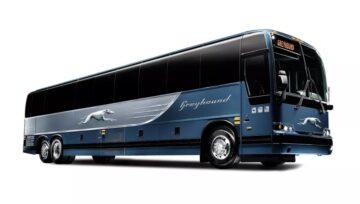 I love public transportation.
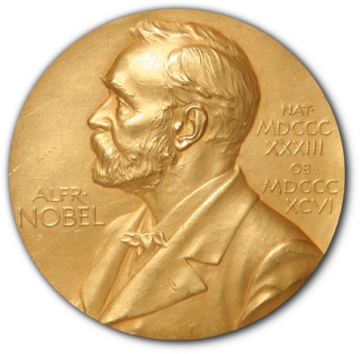 The list of Nobel laureates in physics, chemistry, and medicine includes men and women, Jews, Christians, Muslims, Hindus, Buddhists, and atheists, gay men, lesbians, and cis-scientists, people from Europe, Asia, Africa, North America, South America, and Australia. So, is the ultimate example of meritocracy also the epitome of Diversity, Equity, and Inclusion?
 Some weeks ago I made a note to myself on my phone:

 know exactly how it happened, but that’s the gist. She finished taking a shower, pushed on the door to get out, and it wouldn’t open. She jiggled the door, and she banged on the door, and she pushed on the door, and she wiggled the door, and the door would not open.
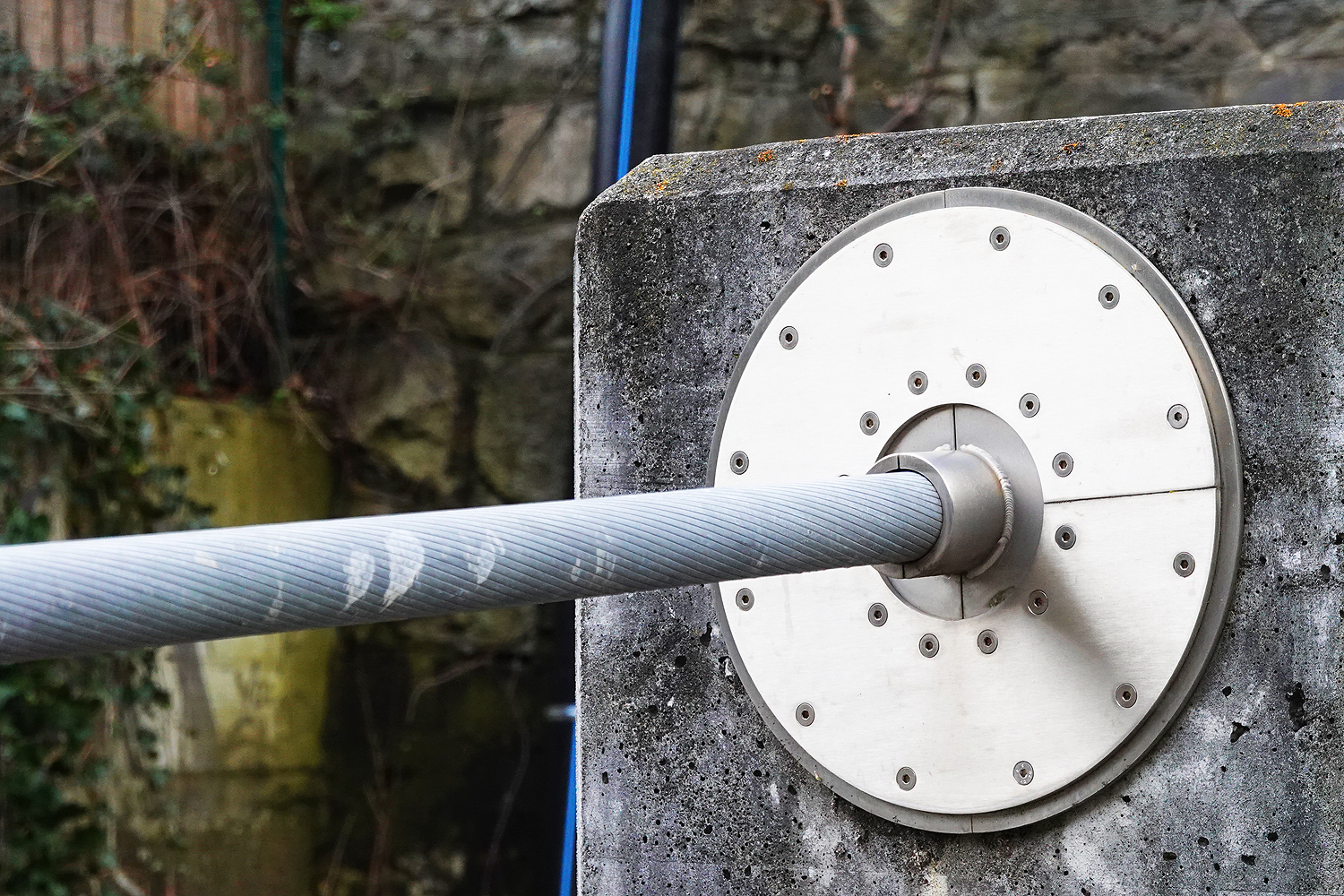
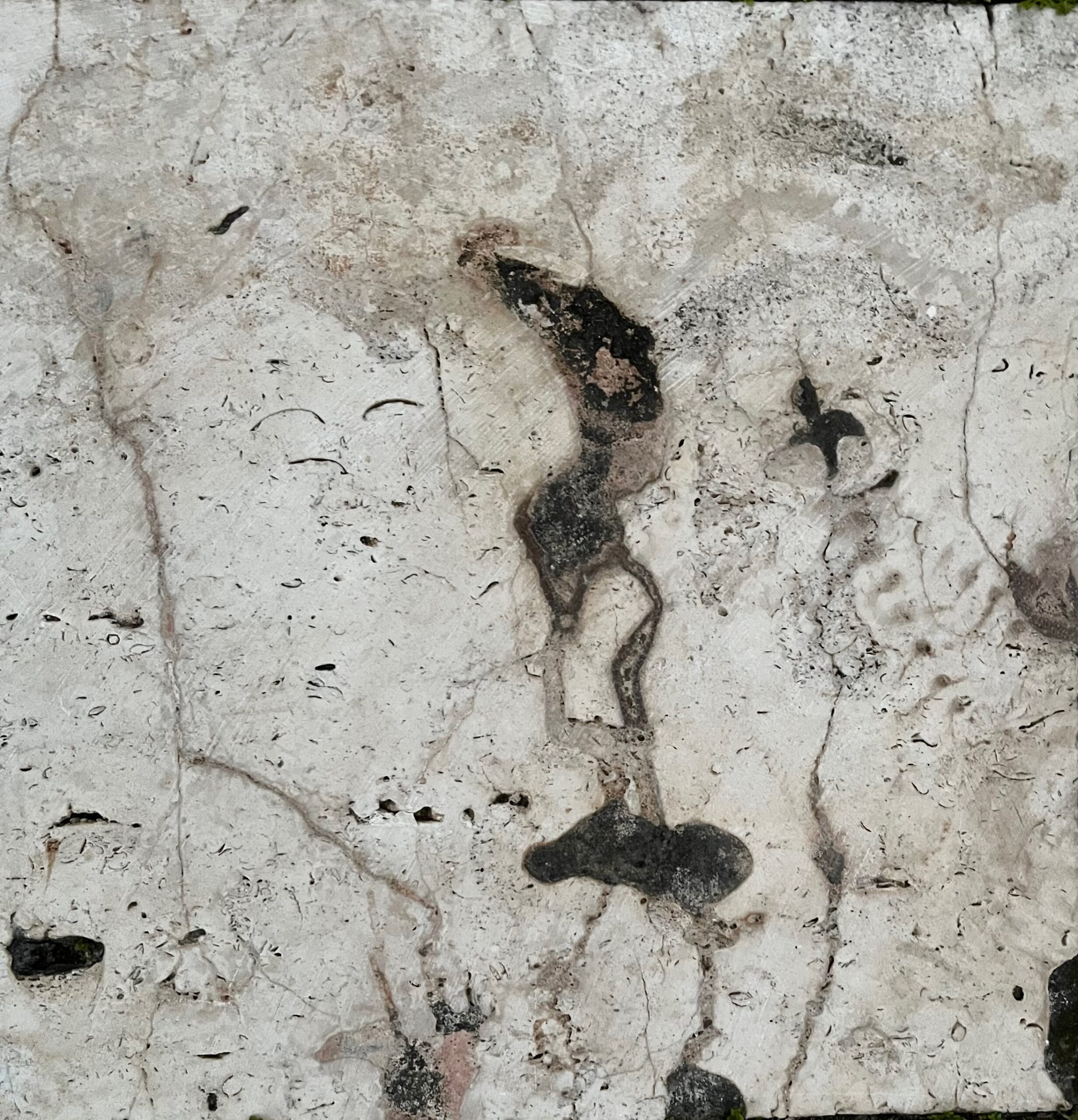 Sughra Raza. Found “Imaginary Being” (after Jorge Luis Borges). March 2025.