by R. Passov
A few weeks back, I flew to Los Angeles for my 40th business school reunion. I went knowing it was going to be a hopeless affair. I was the odd man out forty years ago and remain so. I had stumbled into business school not out of some ambition to make a fortune on Wall Street, something I knew next to nothing about, but rather because I had stumbled onto a thin set of classes whereby one could get credit for just taking finals. I successfully employed that ruse across six years of undergraduate struggles to land a B.A. A significant number of those finals were taken in courses that constituted the first year of my MBA program. I completed my undergraduate studies on a Friday and started business school the following Monday.
I had no business being in business school. I lacked a rudimentary understanding of the business world. My only two significant sources of work experience were selling drugs and working in liquor stores.
I attacked business like a polished rube. I hit the books, blazing through my classes as though on an academic quest to Mt Olympus. While I went the extra mile solving differential equations to map product penetration rates, many of my classmates were at beer busts or “networking forever down Columbus Avenue.”
…I’ve seen them in commercials sailin’ boats and plain’ ball, Pourin’ beer for one another cryin’, “Why not have it all?” Now I saw the ghostly progress as the wind around me blew, Till I felt the urge to purchase a BMW
All the salad bars were empty, all the Quiche Lorraine was gone. I heard the yuppies crying as they vanished in the dawn. Calling brand names to each other, as they faded from my view. They’ll be networking forever down Columbus Avenue
—”Yuppies in the Sky”, Peter, Paul and Mary
So, why did I go to that reunion? I went because it’s rare to have the opportunity to follow the routes of so many lives across forty years. I also went because my cohorts and I swum in the currents of the Reagan revolution. We left B-school at the zenith of Regan’s influence. When the ‘Chicago Boys’, those now well-known, hard-charging, un-forgiving right-of-center academics were making much of the western world into a capitalistic democracy, where the ‘free market’ knows best. Read more »
 It was my birthday last month, a “round” one, as anniversaries ending in zero are known in Switzerland; and in gratitude for having made it to a veritably Sumerian age, as well as for the good health and happiness I am currently enjoying, I threw a large party for family and friends. Then, not quite one week later, I flew off to Albania, a land I have come to associate with the sensation and enactment of gratitude.
 Introduction
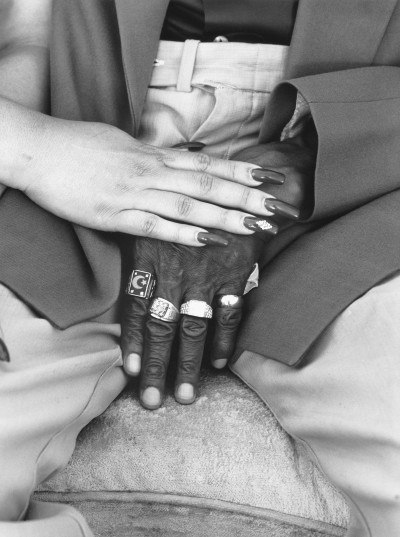 LaToya Ruby Frazier. Mom and Mr.Yerby’s hands, 2005.
 The turn of the 21st century saw a burst of atheistic declarations and critiques in the United States and Great Britain, led by a small group of celebrity atheists including Philosopher Daniel Dennett, Biologist Richard Dawkins, and journalist Christopher Hitchens. I have always found this New Atheism, as the movement is often called, to be a mixed bag. It was long overdue, and many good (if obvious) points were made. However, there was also a fair bit of navel-gazing and even stupidity. And among some of the celebrity leaders, I believe, there was also a profound misunderstanding of religion, how it functions, and even its basic purposes.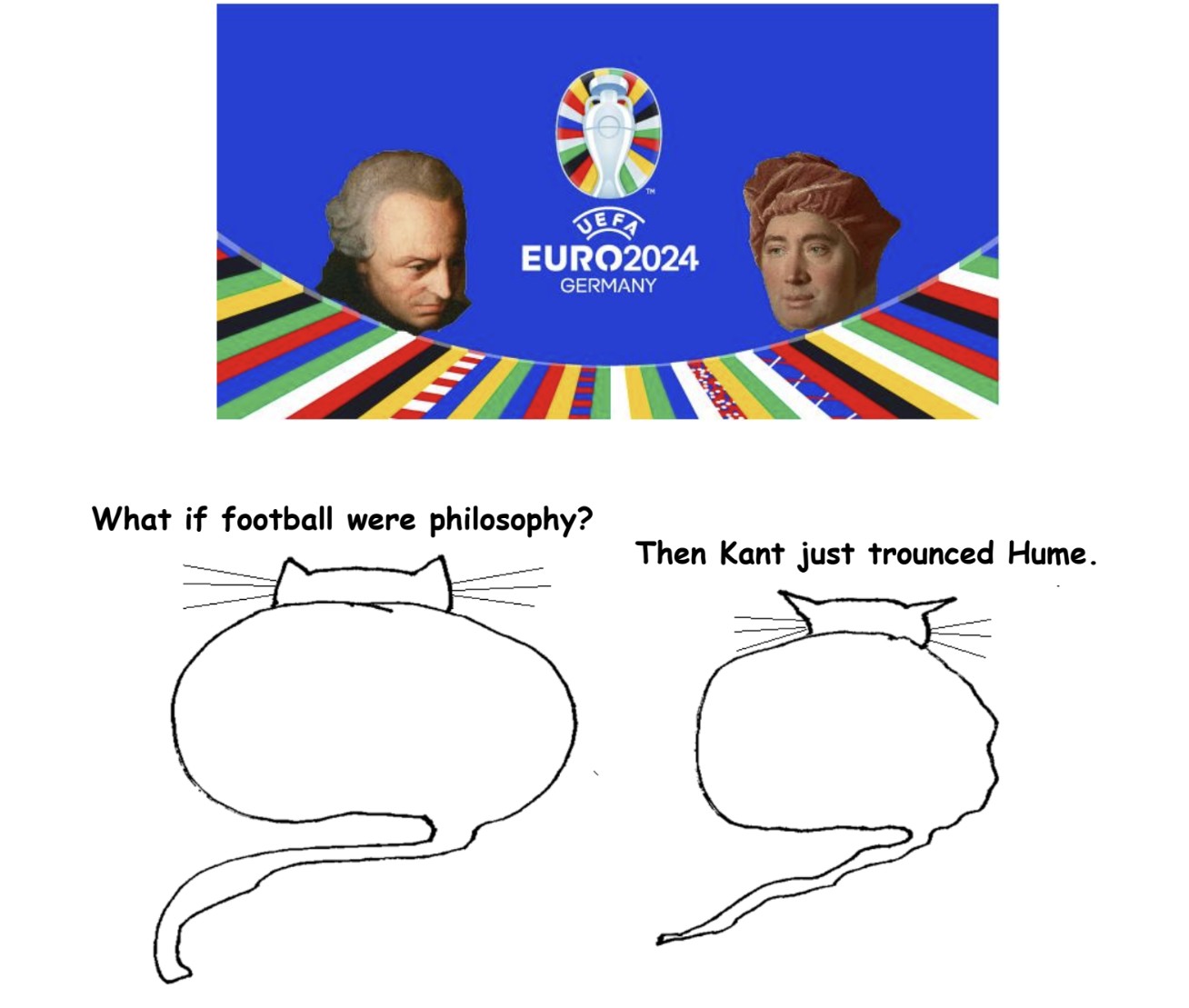


 According to the anthropologist James Bielo
 This is the first in a series of three articles on literature consider as affective technology, affective because it can transform how we feel, technology because it is an art (tekhnē) and, as such, has a logos. In this first article I present the problem, followed by some informal examples, a poem by Coleridge, a passage from Tom Sawyer that echoes passages from my childhood, and some informal comments about underlying mechanism. In the second article I’ll take a close look at a famous Shakespeare sonnet (129) in terms of a model of the reticular activity system first advanced by Warren McCulloch. I’ll take up the problem of coherence of oneself in the third article.
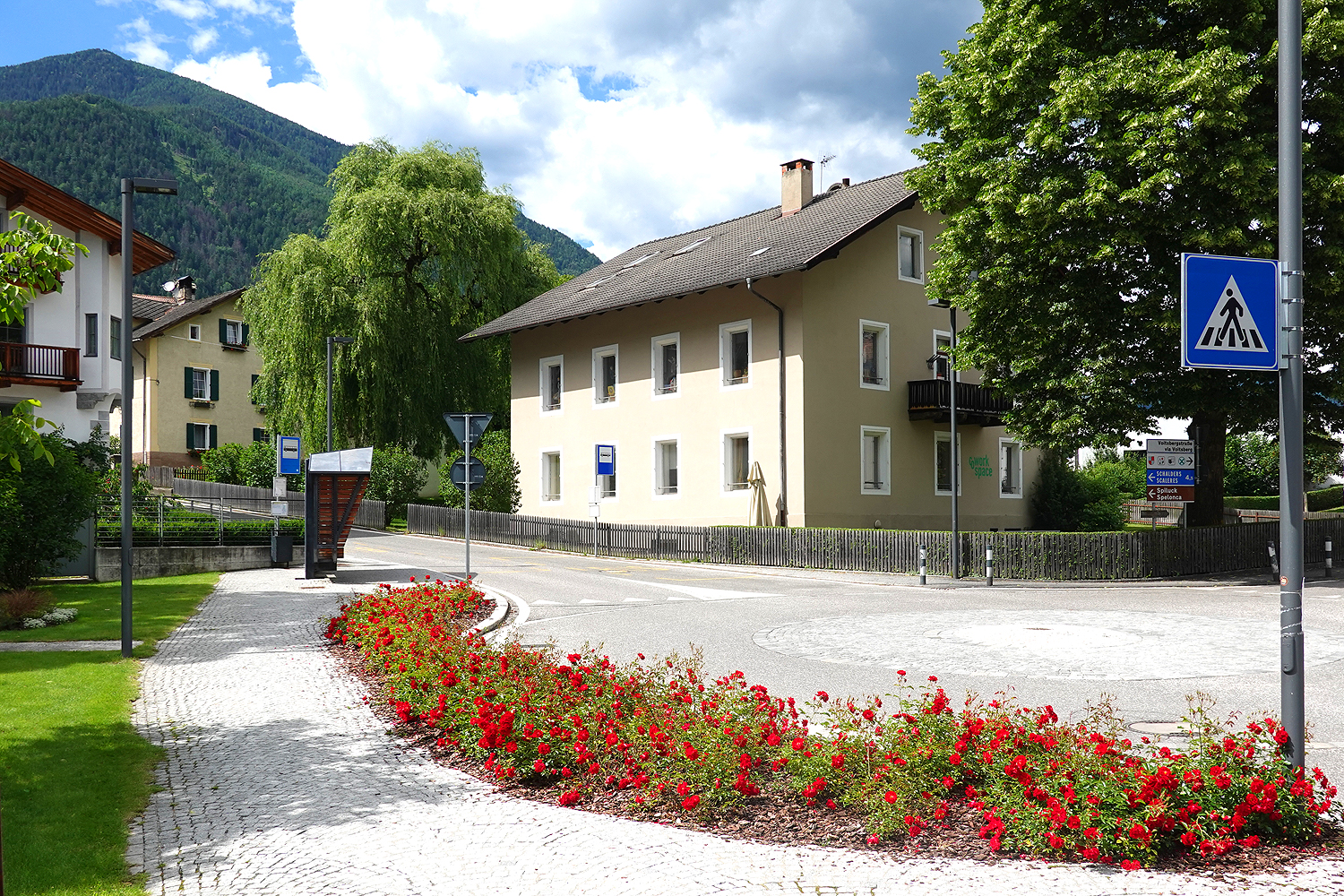
 Jaffer Kolb. Untitled, June, 2024.