by Derek Neal
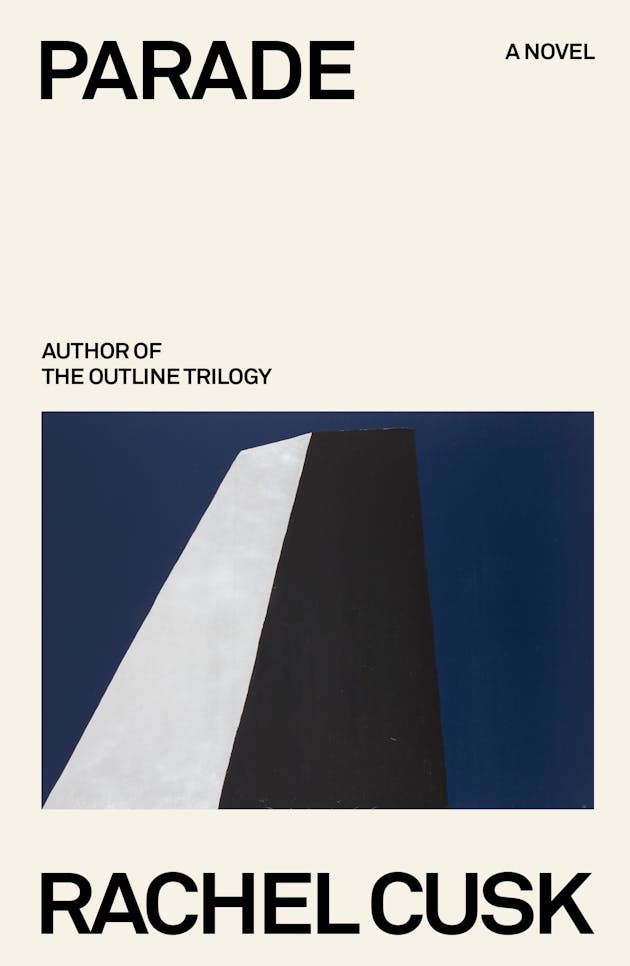
An excerpt of Rachel Cusk’s forthcoming novel, Parade, appeared in the Financial Times last week. The story features two narratives, one about a female painter simply referred to as “G,” told in third person, and another about a group of people visiting a farm in the countryside, told in first person plural. It is unclear how these two stories intersect in terms of plot—is G the narrator of the second story? Is she the woman living on the farm?—but these are not questions worth asking. Thematically, the two stories fit together as they both tell of women constrained and controlled by male figures of authority: in this case, their husbands.
Nestled within this narrative is a fascinating articulation of a theory of art, which is what I will focus on in this essay. Cusk does not pause the story to explain this theory, as some purveyors of “autofiction” might do, but embeds it within the story by explaining G’s different artistic periods and the way her art relates to her personal life. The story is stronger because of this.
In the beginning of G’s career, she is seemingly self-taught, lacking formal and technical skill but compensating for it with inspiration and honesty. Her painting is described as existing “autonomously, living in her like some organism that had happened to make its home there.” In this characterization, G is simply the vessel giving shape to an artistic drive she scarcely understands, rather than the source of its creation. Read more »
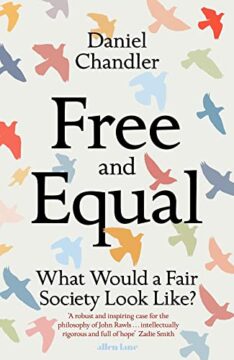 In 2015, political scientist Larry Diamond warned against defeatism in the face of what he called the
 The Sufis aspire to the highest conception of love and understand it to be the vital force within, a metonym for Divine essence itself, obscured by the ego and waiting to be recovered and reclaimed. Sufi poetry, in narrative, or lyric form, involves an earthly lover whose reach for the earthly beloved is not merely a romance, rather, it transcends earthly desire and reveals, as it develops, signs of Divine love, a journey that begins in the heart and involves the physical body, but culminates in the spirit.
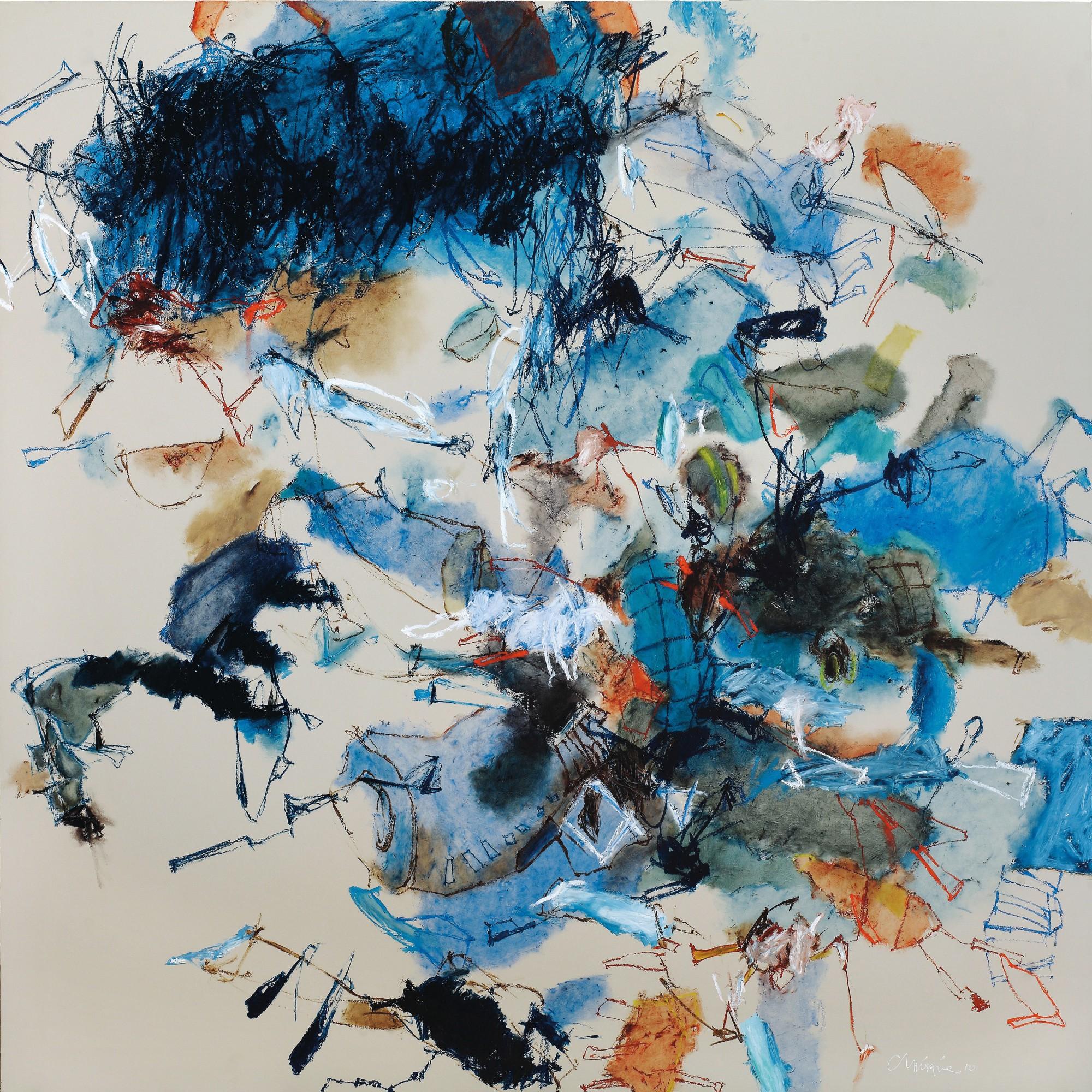 Christine Ay Tjoe. First Type of Stairs, 2010.
 Two spaces after a period, not one. If a topic sentence leading to a paragraph can get a whole new line and an indentation, then other new sentences can get an extra space. Don’t smush sentences together like puppies in a cardboard box at a WalMart parking lot. Let them breathe. Show them some affection. Teach them to shit outside.
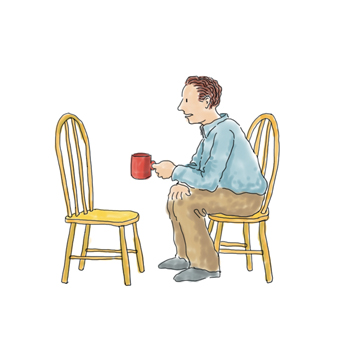 Over thirty years ago I was in an on-again-off-again relationship that I just couldn’t shake. After months of different types of therapies, I lucked into a therapist who walked me through a version of the Gestalt exercise of
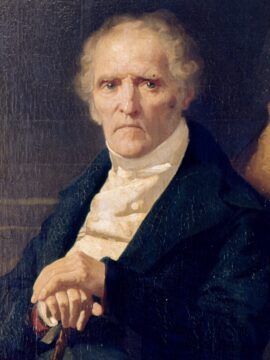
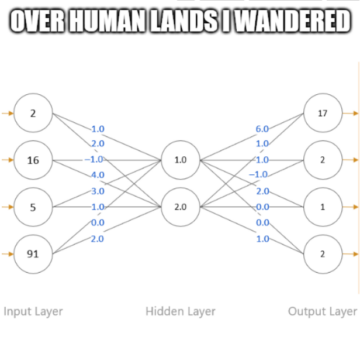 I was asked recently to speak at the University of Toronto about poetry in translation, a topic close to my heart for a number of reasons. I happened at the time to be working on a text concerned, not with translating poetry, but with lyric expression in its most practical form: that is, as a commodity with a material history, as an object that can be traded, one with an exchange value as well as a use value (however the latter might be defined, or experienced).
 Once again the world faces death and destruction, and once again it asks questions. The horrific assaults by Hamas on October 7 last year and the widespread bombing by the Israeli government in Gaza raise old questions of morality, law, history and national identity. We have been here before, and if history is any sad reminder, we will undoubtedly be here again. That is all the more reason to grapple with these questions.
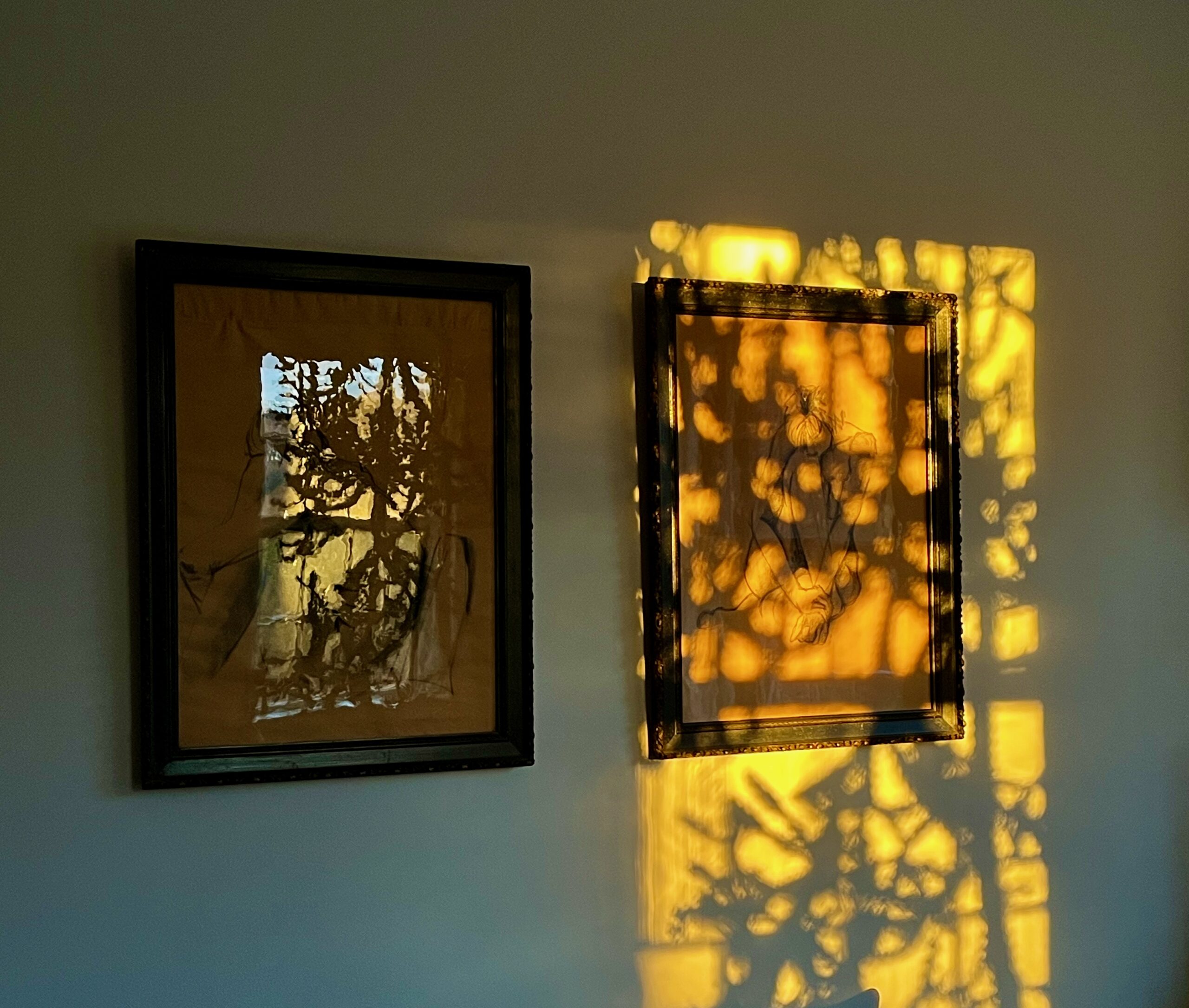 Sughra Raza. Light Play in The Living Room, November 2023.
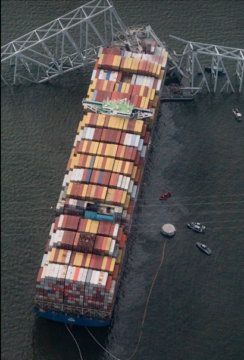 One of nature’s most endearing parlor tricks is the ripple effect. Drop a pebble into a lake and little waves will move out in concentric circles from the point of entry. It’s fun to watch, and lovely too, delivering a tiny aesthetic punch every time we see it. It’s also the well-worn metaphor for a certain kind of cause-and-effect, in which the effect part just keeps going and going. This metaphor is a perfect fit for one of the worst allisions in US maritime history, leading to the collapse of Baltimore’s Francis Scott Key Bridge after it was hit by the container ship MV Dali on the morning of March 26, 2024.