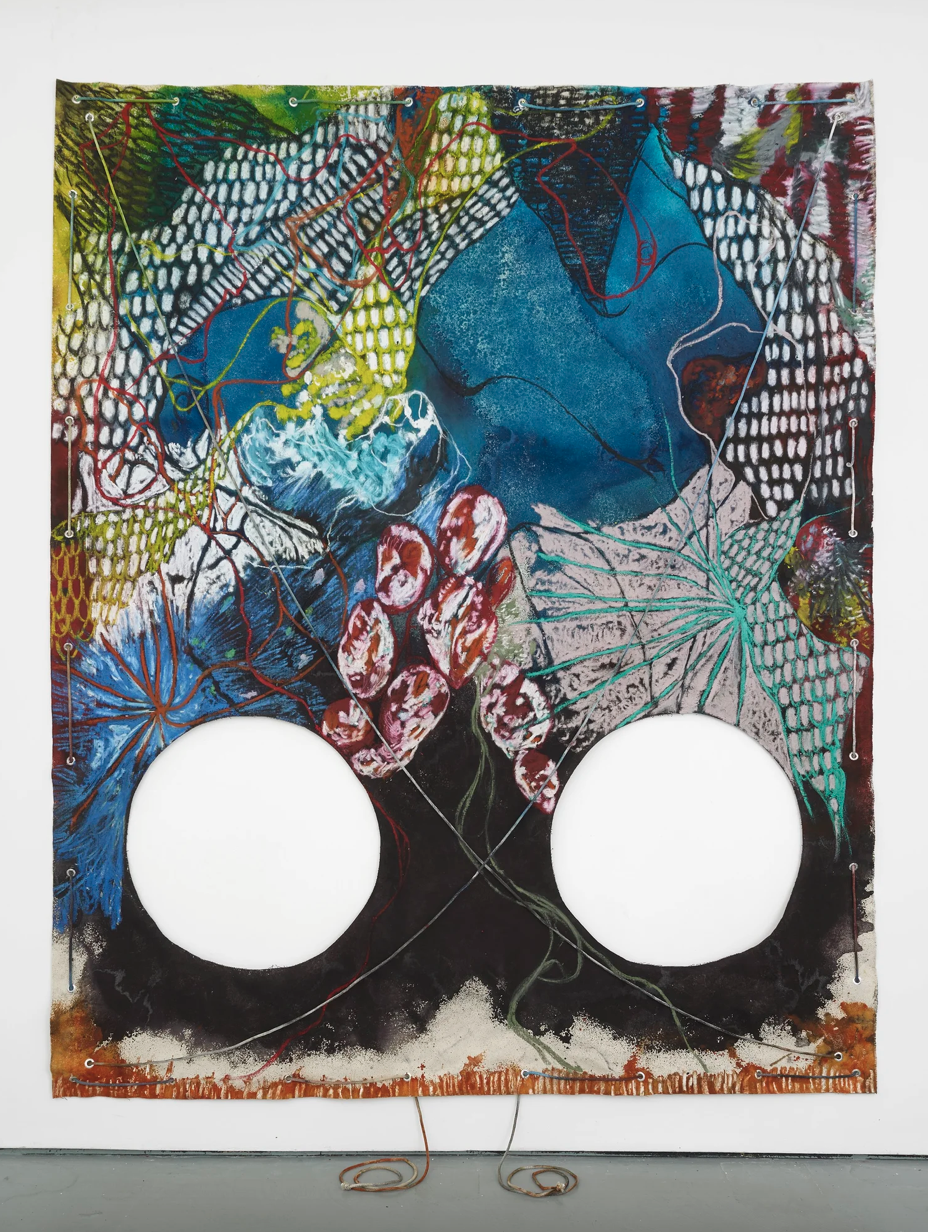
 Naotaka Hiro. Untitled (Tide), 2024.
Canvas, fabric dye, oil pastel, rope, and grommets.
“… Several of the paintings feature something strange: two perfectly round openings in the surface of the work. The Japanese-born, Pasadena-based artist uses these holes to practice a highly intimate kind of artmaking. Collapsing the traditional, arms-length distance between the artwork and the artist, he slips his limbs into these openings to hold the surface close. He often wraps himself in unstretched canvas, creating a cocoon he paints from within (“Untitled (Green Door)”2021, “Untitled (Vector)” 2021). At other times, he lies on his back on the studio floor, his legs poking through a plywood panel so it hovers above him (“Untitled (Frequency)” 2021). He presses parts of his body against the surface as he works, and the strokes and shapes of his paintings and drawings are often the length of a hand, a forearm, or a torso. Each piece is a record of the artist’s position, movements, and sensations during artmaking, from aches and temperature shifts to the rise and fall of his chest with each passing breath. ” From Naotaka Hiro’s Pulp Fiction, UCLA School of the Arts and Architecture.
Enjoying the content on 3QD? Help keep us going by donating now.
 In a previous essay,
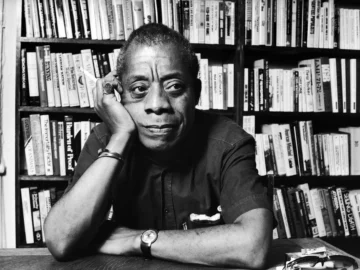
 1972, Jim Culleny
 Isn’t it time we talk about you?
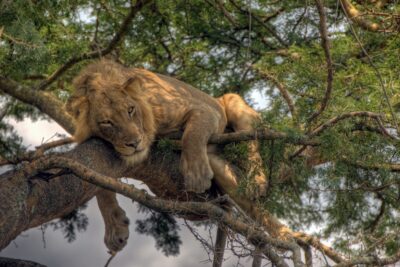
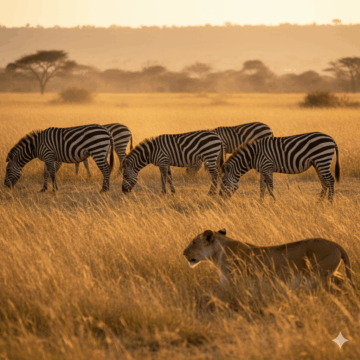 To be alive is to maintain a coherent structure in a variable environment. Entropy favors the dispersal of energy, like heat diffusing into the surroundings. Cells, like fridges, resist this drift only by expending energy. At the base of the food chain, energy is harvested from the sun; at the next layer, it is consumed and transferred, and so begins the game of predation. Yet predation need not always be aggressive or zero-sum. Mutualistic interactions abound. Species collaborate when it conserves energy. For example, whistling-thorn trees in Kenya trade food and shelter to ants for protection. Ants patrol the tree, fending off herbivores from insects to elephants. When an organism cannot provide a resource or service without risking its own survival, opportunities for cooperative exchange are limited. Beyond the cooperative, predation emerges in its more familiar, competitive form. At every level, the imperative is the same: accumulate enough energy to maintain and reproduce. How this energy is obtained, conserved, or defended produces the rich diversity of strategies observed in nature.
 We humans think we’re so smart. But a
 Giant Tarantulas
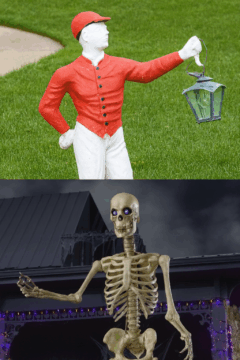 by Steve Szilagyi
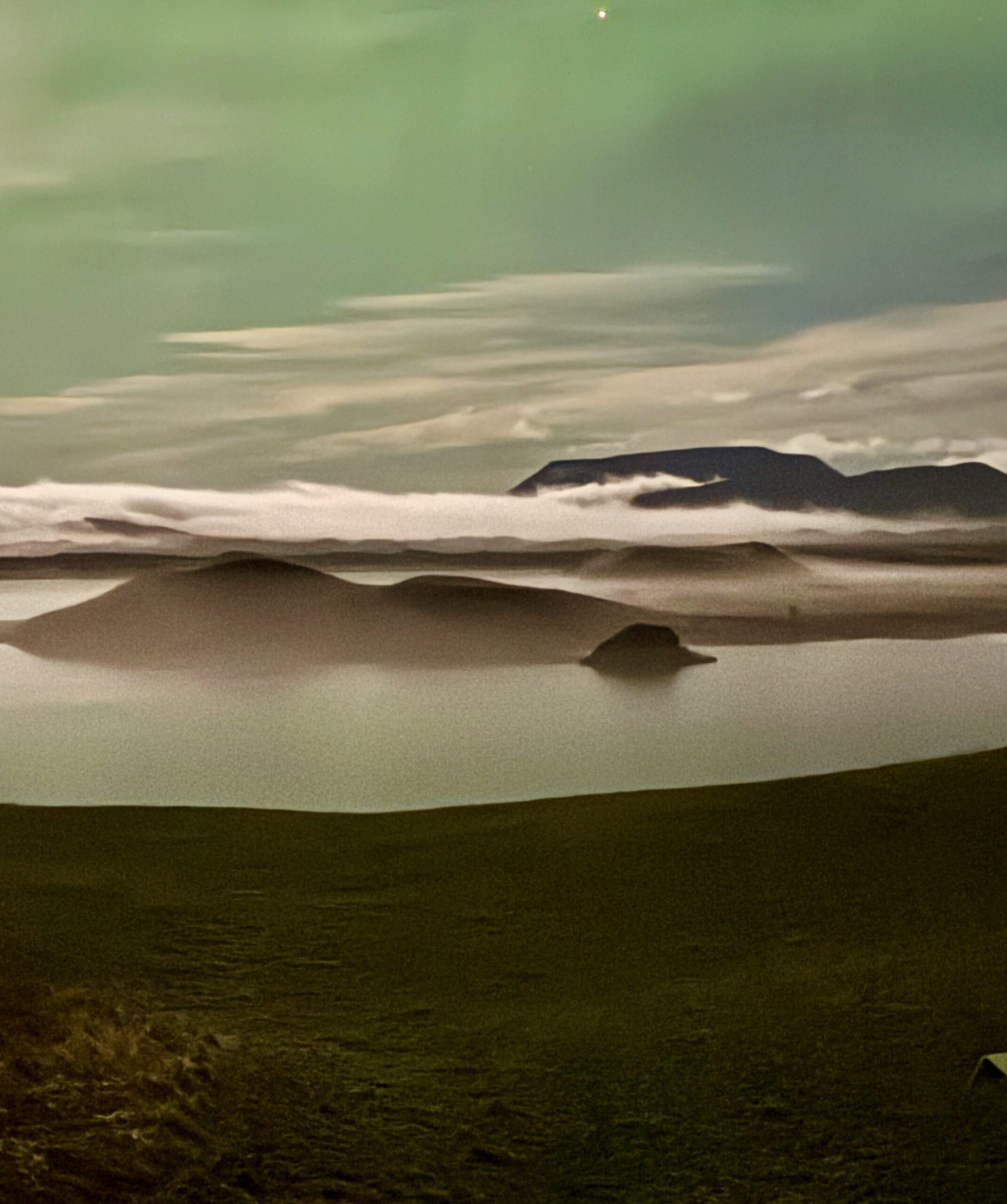 Jaffer Kolb. Lake Mývatn, October 13th, 12:08 am.