
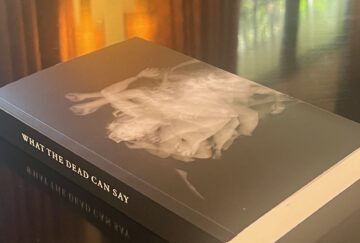
 by Leanne Ogasawara
1.
An avid walker, I like making great rambling loops around my neighborhood. Along the way, I’ve noticed four Little Free Libraries that I must have probably strolled past, oblivious, a thousand times… each is cute in its own way; one built surrounded by bird feeders, another positioned at the perfect height for a small child to reach inside. My favorite is in a neighborhood where the houses are a million dollars more expensive than the one’s on my side of the street—in California, it’s all about the zip code.
Having spent the past ten years building a massive multi-room library of my own, I felt I should leave these little libraries to others—But then I thought, why not just have a quick peak inside? And maybe even distribute a few books of my own…. And so, I trotted over to the one closest to my house.
Being one of those kinds of people who cares about what book sits next to another on the shelf, I spend a lot of time arranging my library. I like it when books of a kind sit side-by-side with others of a like mind. I think of them in conversation with each other: there are stacks of fiction and nonfiction related to Japan across the room from rows of essays and stories roughly revolving around the art of translation. In pride of place is my shelf of “top ten novels” and shelves devoted to the work of mentors and teachers. And, I have multiple shelves of books with ghosts. These are not ghost stories per se, but are works of speculative fiction that embrace the magical real in the world. Read more »
 The barbarians have won.


 In the West, it feels like we have never lived
 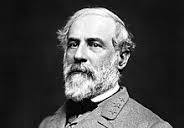 If 1840 outside of Richmond, say, had really been like that what would it have looked like? Warm, smiley, friendly no violence or anger or retribution. Freedom, wealth, and privilege burdens that black people were lucky to avoid. The only possibility of such a universe, I would imagine, might have involved some sort of depraved mass lobotomization or heavy doses of obliterating narcotics. This vision of the old South was as impossible as it was untrue.
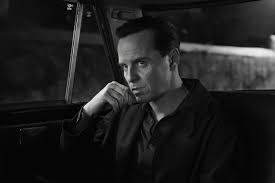 Flash forward to mid-fifties New York, Patricia Highsmith’s Ripley in the new Andrew Scott Netflix version is approached by a black man at a bar who says he has a job for him. There is no reference to their races as if black people approaching white people and offering them work was a regular occurrence at that time. In the Highsmith original, no such character exists. Deeply racist, Highsmith cast almost all non-white characters in her work as foolish and/or despicable.
  Joseph H. Shieber, April 7, 2024 of Wallingford, PA. Beloved husband of Lesa Shieber; proud father of Samuel and Noa; loving son of Benjamin and Eileen Shieber; devoted brother of William (Rebecca) Shieber and Jonathan (Kathleen) Shieber.
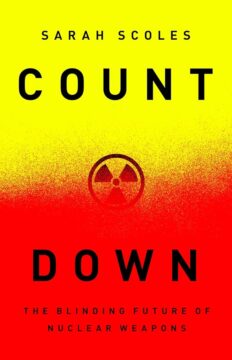 As the saying goes, if you believe only fascists guard borders, then you will ensure that only fascists will guard borders. The same principle applies to scientists working on nuclear weapons. If you believe that only Strangelovian warmongers work on nuclear weapons, you run the risk of ensuring that only such characters will do it.
 A new study has revealed a troubling development in the state of Maryland: while murder rates fluctuated between 2005 and 2017—first trending downward, then increasing for a few years—the homicides recorded during that period have grown steadily more violent the entire time.
 Consider again the wooden desk. It was once part of a tree, like the ones outside your window. It became a bit of furniture though a long process of growth, cutting, shaping buying and selling until it got to you. You sit before it as it has a use – a use value – but it was made, not to give you a platform for your coffee or laptop, but in order to make a profit: it has an exchange value, and so had a price. It is a commodity, the product of an entire economic system, capitalism, that got it to you. Someone laboured to make it and someone else, probably, profited by its sale. It has a history, a backstory.
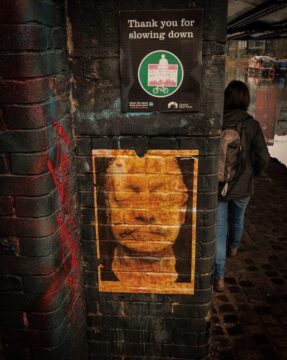 All of this is the case, but none of it simply appears to the senses. Capitalism itself isn’t a thing, but that doesn’t make it less real. The idea that all that there really is amounts to things you can bump into or drop on your foot is the ‘common sense’ that operates as the ideology of everyday life: “this is your world and these are the facts”. But really, nothing is like that: there are no isolated facts, but rather a complex, twisted web of mediations: connections and negations that transform over time.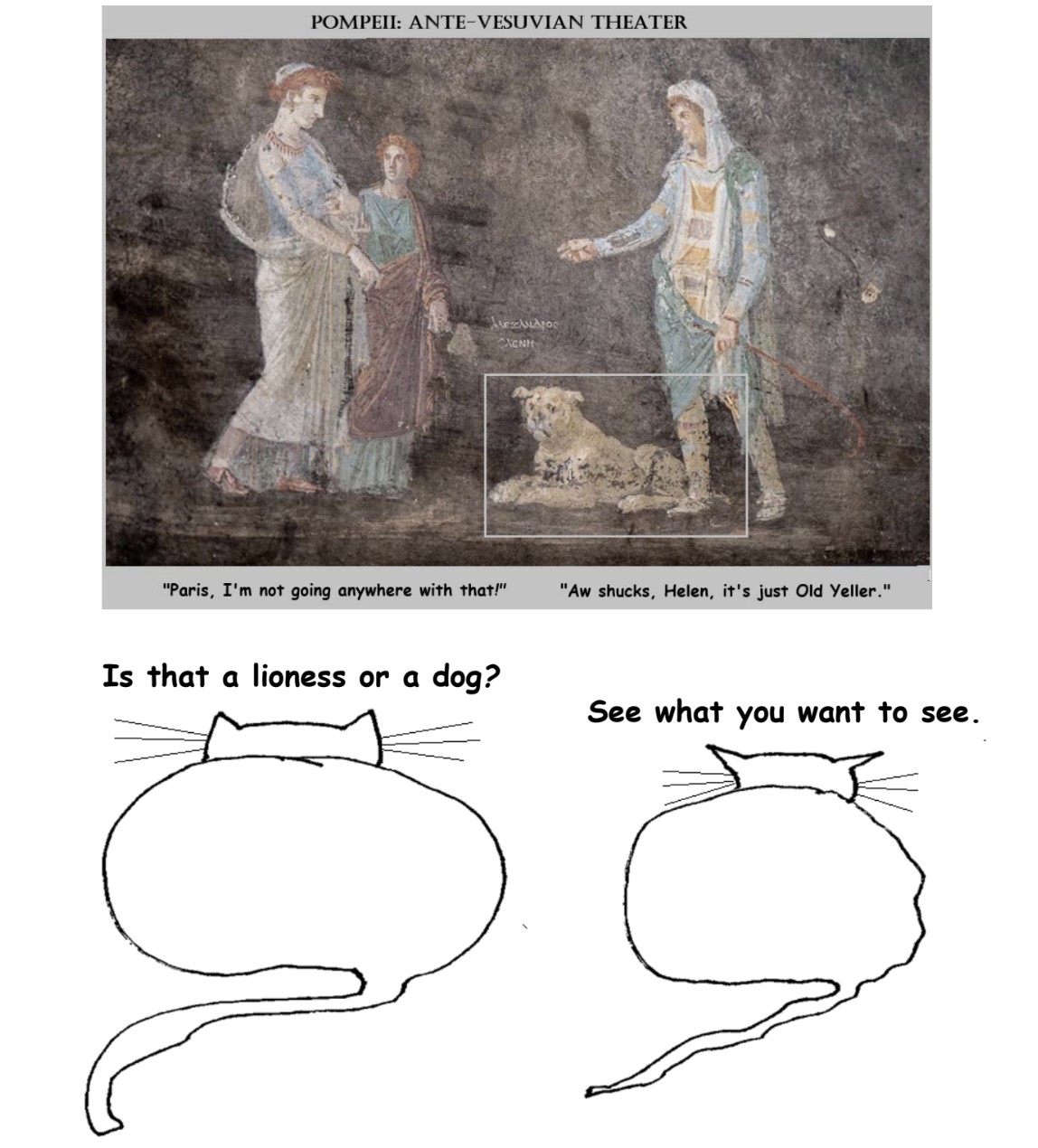

 Is there such a thing as tasting expertise that, if mastered, would help us enjoy a dish or a meal? It isn’t obvious such expertise has been identified.
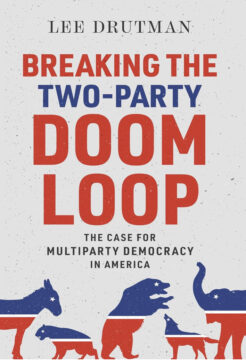 It’s a book about how our political system fell into this downward spiral—a doom loop of toxic politics. It’s a story that requires thinking big—about the nature of political conflict, about broad changes in American society over many decades, and, most of all, about the failures of our political institutions. (2)