
by Rafaël Newman
 I was asked recently to speak at the University of Toronto about poetry in translation, a topic close to my heart for a number of reasons. I happened at the time to be working on a text concerned, not with translating poetry, but with lyric expression in its most practical form: that is, as a commodity with a material history, as an object that can be traded, one with an exchange value as well as a use value (however the latter might be defined, or experienced).
The reason for this pragmatic frame of poetic mind was as follows: I had for pecuniary purposes been learning about fintech (financial technology), about tokenized assets and distributed ledgers, and was thus briefly engaged by an ecosystem distant enough from my typical life experience that it had begun to present itself to me under the lurid aspect of science fiction, as a Peter Max and William S. Burroughs-inspired lucid dream of aliens and teleporting and iridescent currencies riding an ominous conveyor belt of ballot boxes. In other words, my day job was encroaching on my vocation!
The pushback I devised, a method for domesticating this unfamiliar terrain and rendering it at least temporarily welcome, after-hours in my psychological household, was to imagine a range of revered poets—Sappho, Emily Dickinson, John Donne, and Philip Larkin—anachronistically encountering the strange new gods of Bitcoin, Blockchain, and CBDC, and to ghostwrite the appropriate text for each of them. I was so pleased with these efforts that I went on to imagine a newfangled poetry journal featuring videos of poets reading their own work, minted as NFTs or non-fungible tokens—you may know these digital artifacts as the images of a Bored Ape or a Penurious Ex-President—and hosted on a blockchain. I wrote up the concept, and my “white paper” will appear later this year as a contribution to a new Swiss cultural studies journal devoted to the appealingly opaque concept of transindustriality.
And so it was that, when I agreed to give a lecture on translating poetry, I was of a mind to consider that typically immaterial artform as a physical object in circulation, in the process of being fundamentally transformed by the technology of its new medium; and thus it wasn’t a great leap for me to consider the ancient craft of literary translation—think Saint Jerome and his lion—in a thoroughly contemporary form, rather than sub specie aeternitatis. Read more »
 Once again the world faces death and destruction, and once again it asks questions. The horrific assaults by Hamas on October 7 last year and the widespread bombing by the Israeli government in Gaza raise old questions of morality, law, history and national identity. We have been here before, and if history is any sad reminder, we will undoubtedly be here again. That is all the more reason to grapple with these questions.
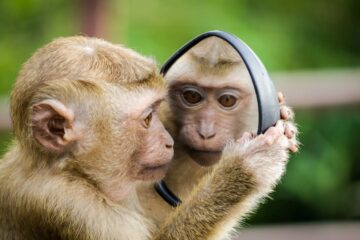
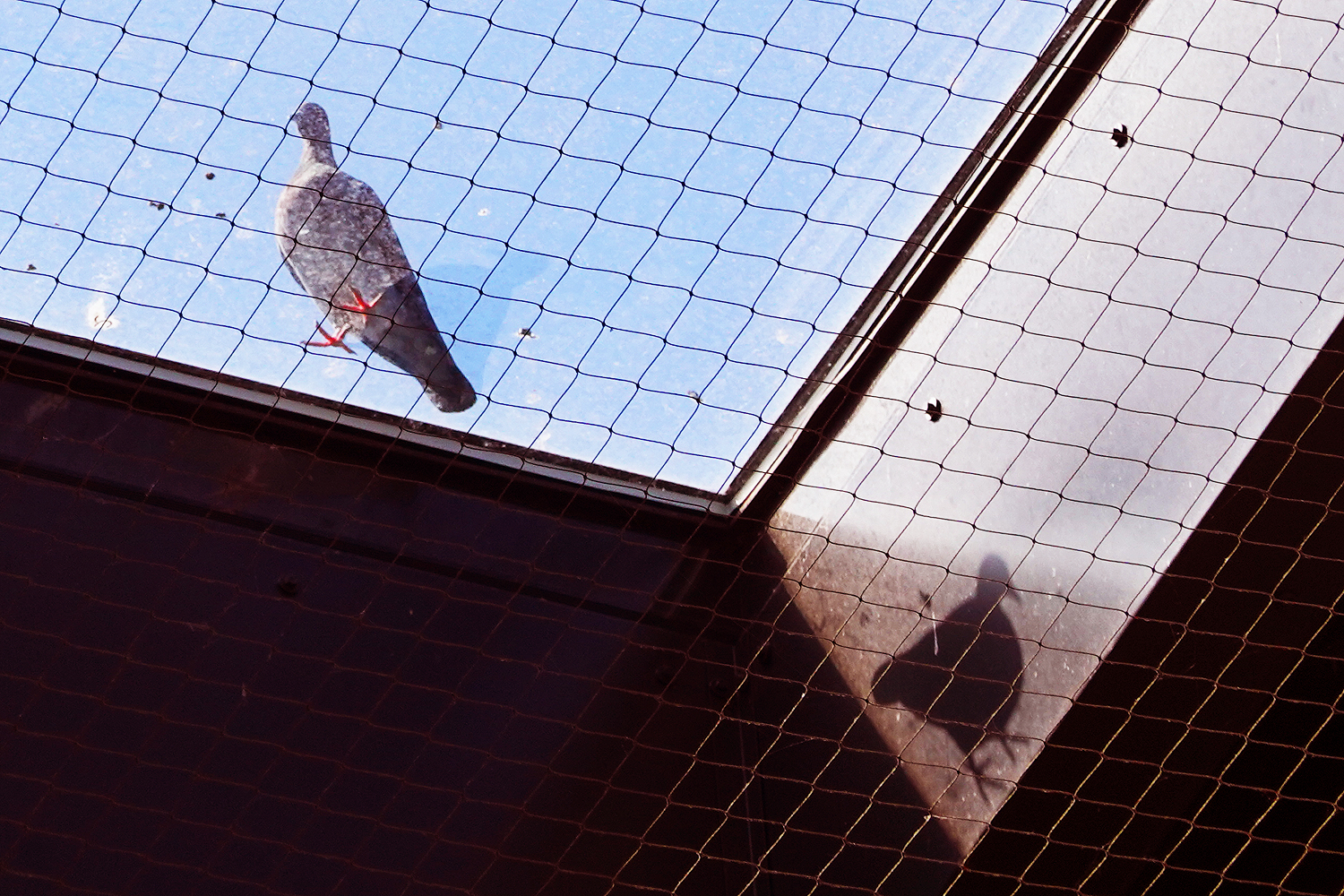
 Sughra Raza. Light Play in The Living Room, November 2023.
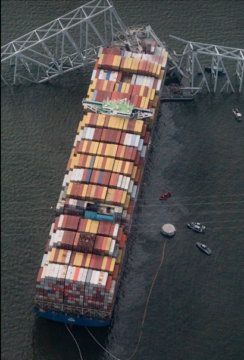 One of nature’s most endearing parlor tricks is the ripple effect. Drop a pebble into a lake and little waves will move out in concentric circles from the point of entry. It’s fun to watch, and lovely too, delivering a tiny aesthetic punch every time we see it. It’s also the well-worn metaphor for a certain kind of cause-and-effect, in which the effect part just keeps going and going. This metaphor is a perfect fit for one of the worst allisions in US maritime history, leading to the collapse of Baltimore’s Francis Scott Key Bridge after it was hit by the container ship MV Dali on the morning of March 26, 2024.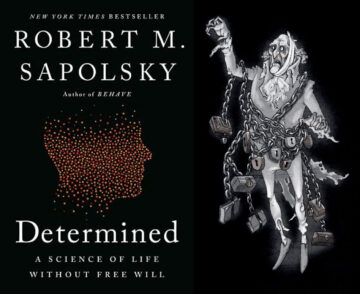

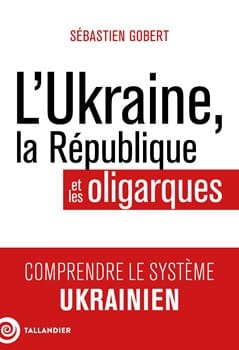 No matter where you go, Aristotle believes, the rich will be few and the poor many. Yet, to be an oligarch means more than to simply be part of the few, it means to govern as rich. Oligarchs claim political power precisely because of their wealth.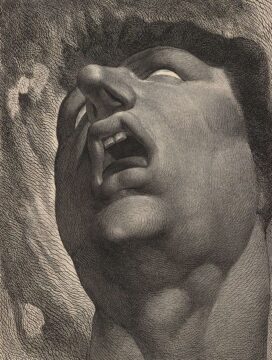

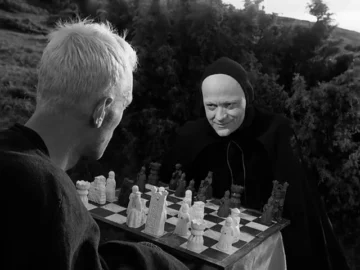
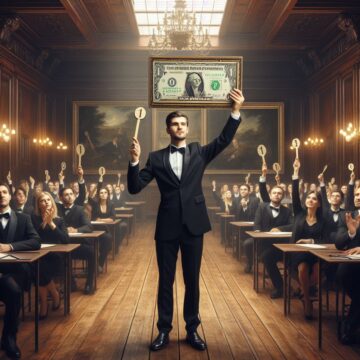 An abstract paradox discussed by Yale economist Martin Shubik has a logical skeleton that can, perhaps surprisingly, be shrouded in human flesh in various ways. First Shubik’s seductive theoretical game: We imagine an auctioneer with plans to auction off a dollar bill subject to a rule that bidders must adhere to. As would be the case in any standard auction, the dollar goes to the highest bidder, but in this case the second highest bidder must pay his or her last bid as well. That is, the auction is not a zero-sum game. Assuming the minimum bid is a nickel, the bidder who offers 5 cents can profit 95 cents if the no other bidder steps forward.
 Vitamins and self-help are part of the same optimistic American psychology that makes some of us believe we can actually learn the guitar in a month and de-clutter homes that resemble 19th-century general stores. I’m not sure I’ve ever helped my poor old self with any of the books and recordings out there promising to turn me into a joyful multi-billionaire and miraculously develop the sex appeal to land a Margot Robbie. But I have read an embarrassing number of books in that category with embarrassingly little to show for it. And I’ve definitely wasted plenty of money on vitamins and supplements that promise the same thing: revolutionary improvement in health, outlook, and clarity of thought.
 Sughra Raza. Shadow Self-portrait on a Young Douglas Fir, May 3, 2024.