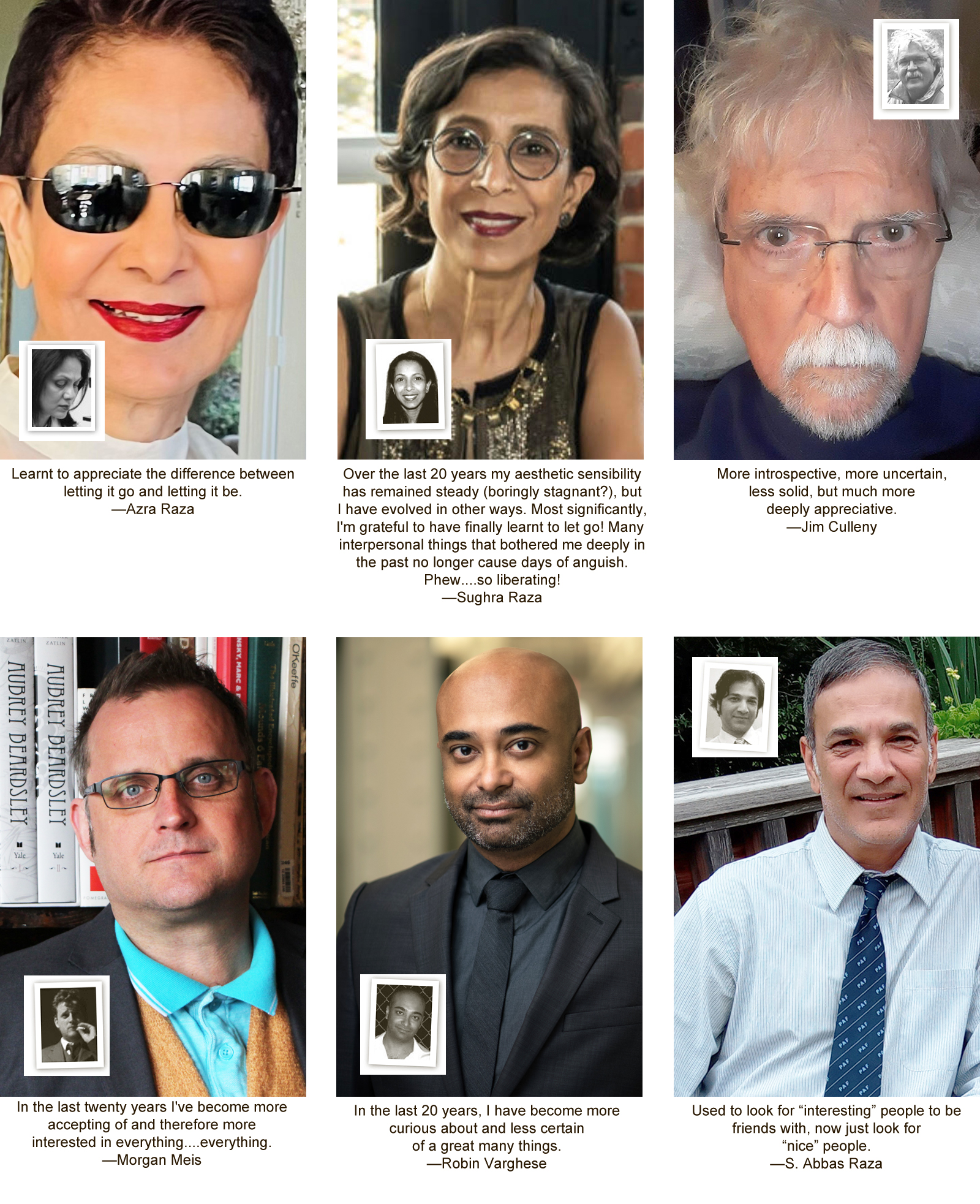
Dearest Reader,
Thanks to your support, today it has been exactly 20 years since I started 3QD. Not many small websites last this long, especially in the increasingly difficult media landscape and the onslaught of information begging for our attention from multiple channels: social media, WhatsApp, email, etc., etc. But you have trusted and appreciated our efforts to bring you only what is interesting and important. We couldn’t have kept going without you and we’ve had fun doing the work that we do. So on behalf of all of us, thank you!
We have recently been making some significant improvements to the site, as you may have noticed. For more on the history of 3QD and how we came to do what we do, you could read this excellent profile by Thomas Manuel, “Why the Web Needs the Little Miracle of 3 Quarks Daily” in The Wire. Keep in mind that what used to be the original “Monday” essays from 3QD’s own writers are the ONLY things which now appear on the front page of the site, usually a few every day of the week except for Saturday (when we now take a complete holiday), and starting on Monday each week. The curated links which we still post every day (except Saturday) can be seen now by clicking the “Recommended Reading” link in the main menu near the top of every page.
Now help us keep going for another 20 years, and please click here now. We’ve always kept 3QD free but the donations and subscriptions from people like you are what have kept us going (and always allowed those who can’t afford a subscription, like students, to access all of 3QD free of charge). We really do need your help more than ever to keep human-curation alive in this AI- and algorithm-dominated digital age.
Yours ever,
Abbas
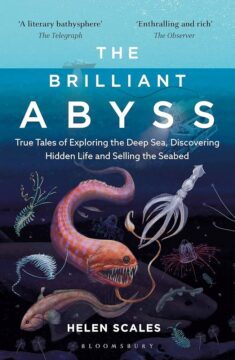 Marine biologist Helen Scales’ previous book The Brilliant Abyss: True Tales of Exploring the Deep Sea, Discovering Hidden Life and Selling the Seabed, brilliantly provided us with a glimpse of the wondrous life forms that inhabit the abyss, the deep sea. She also made known her profound concern for the future of ocean life posed by human activity. She now expands on those issues and concerns in her new book, What The Wild Seas Can Be: The Future of the World’s Seas. Scales provides us with a fascinating exposition of the pre-historic ocean and the devastating impact of the Anthropocene on ocean life over the last fifty years. Her main concern, however, is the future of the ocean and her new book makes a major contribution to people’s understanding of the repercussions of human activity on ocean life and the measures that need to be taken to protect and secure a better future for the ocean.

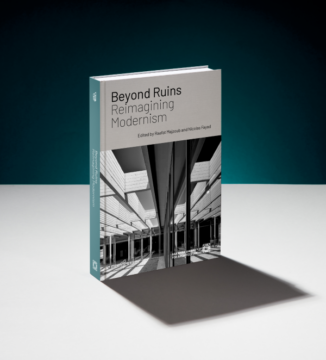 In this conversation—excerpted from the Aga Khan Award for Architecture’s upcoming volume, Beyond Ruins: Reimagining Modernism (ArchiTangle, 2024) set to be published this Fall, and focusing on the renovation of the Niemeyer Guest House by East Architecture Studio in Tripoli, Lebanon—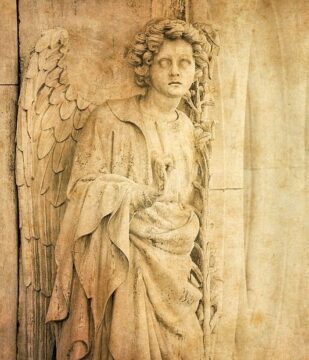
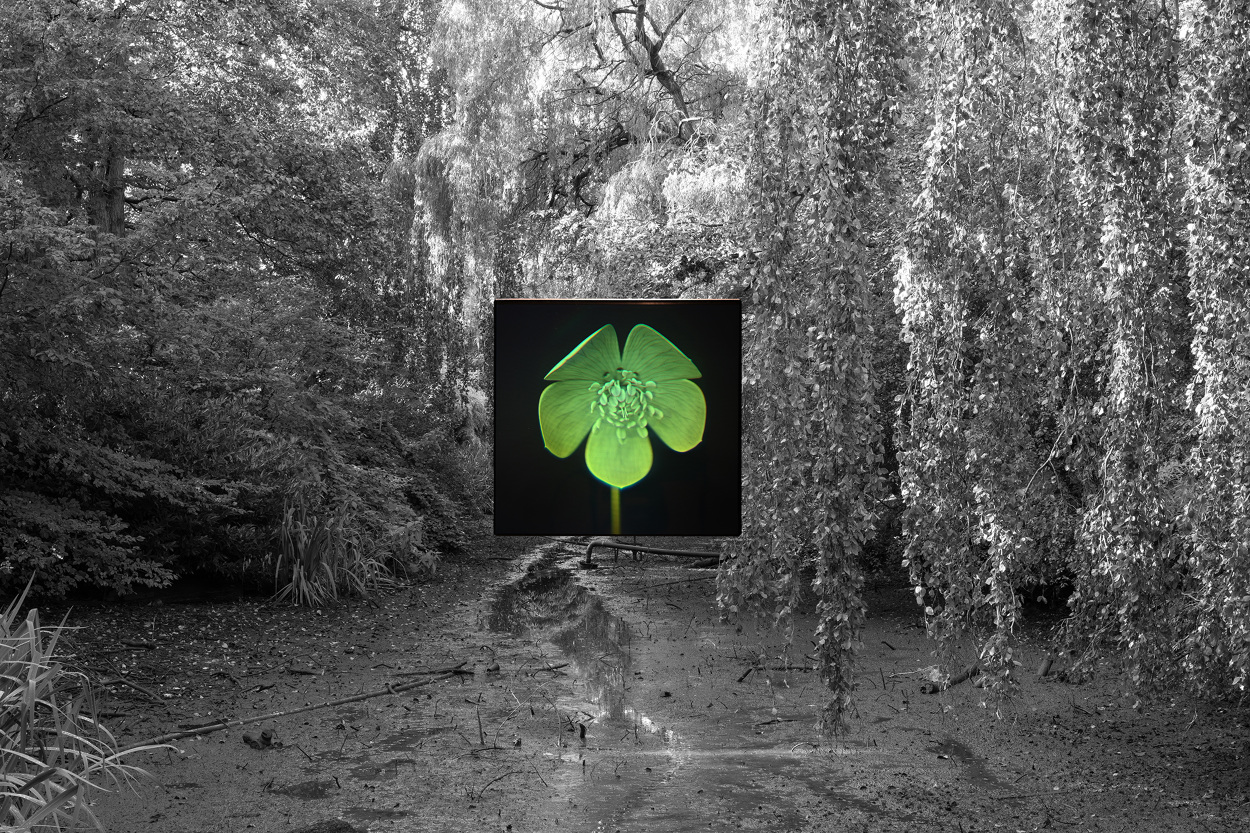 Michael Wang. Holoflora, 2024
 In the game of chess, some of the greats will concede their most valuable pieces for a superior position on the board. In a 1994 game against the grandmaster Vladimir Kramnik, Gary Kasparov sacrificed his queen early in the game with a move that made no sense to a middling chess player like me. But a few moves later Kasparov won control of the center board and marched his pieces into an unstoppable array. Despite some desperate work to evade Kasparov’s scheme, Kramnik’s king was isolated and then trapped into checkmate by a rook and a knight.

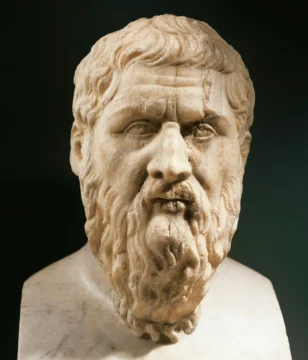
 In Discourse on the Method, philosopher René Descartes reflects on the nature of mind. He identifies what he takes to be a unique feature of human beings— in each case, the presence of a rational soul in union with a material body. In particular, he points to the human ability to think—a characteristic that sets the species apart from mere “automata, or moving machines fabricated by human industry.” Machines, he argues, can execute tasks with precision, but their motions do not come about as a result of intellect. Nearly four-hundred years before the rise of large language computational models, Descartes raised the question of how we should think of the distinction between human thought and behavior performed by machines. This is a question that continues to perplex people today, and as a species we rarely employ consistent standards when thinking about it.
 The human tendency to anthropomorphize AI may seem innocuous, but it has serious consequences for users and for society more generally. Many people are responding to the
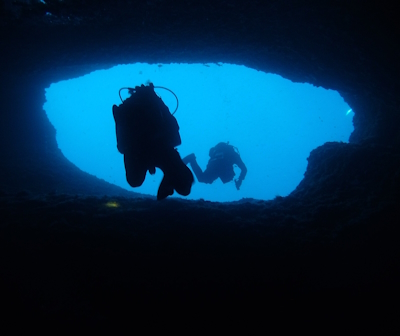
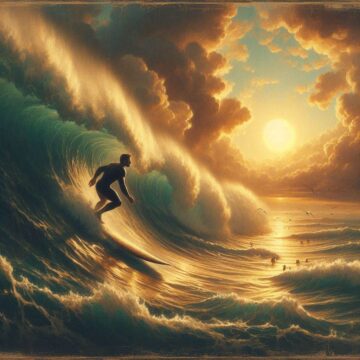 I’ve been surfing for about three years.
 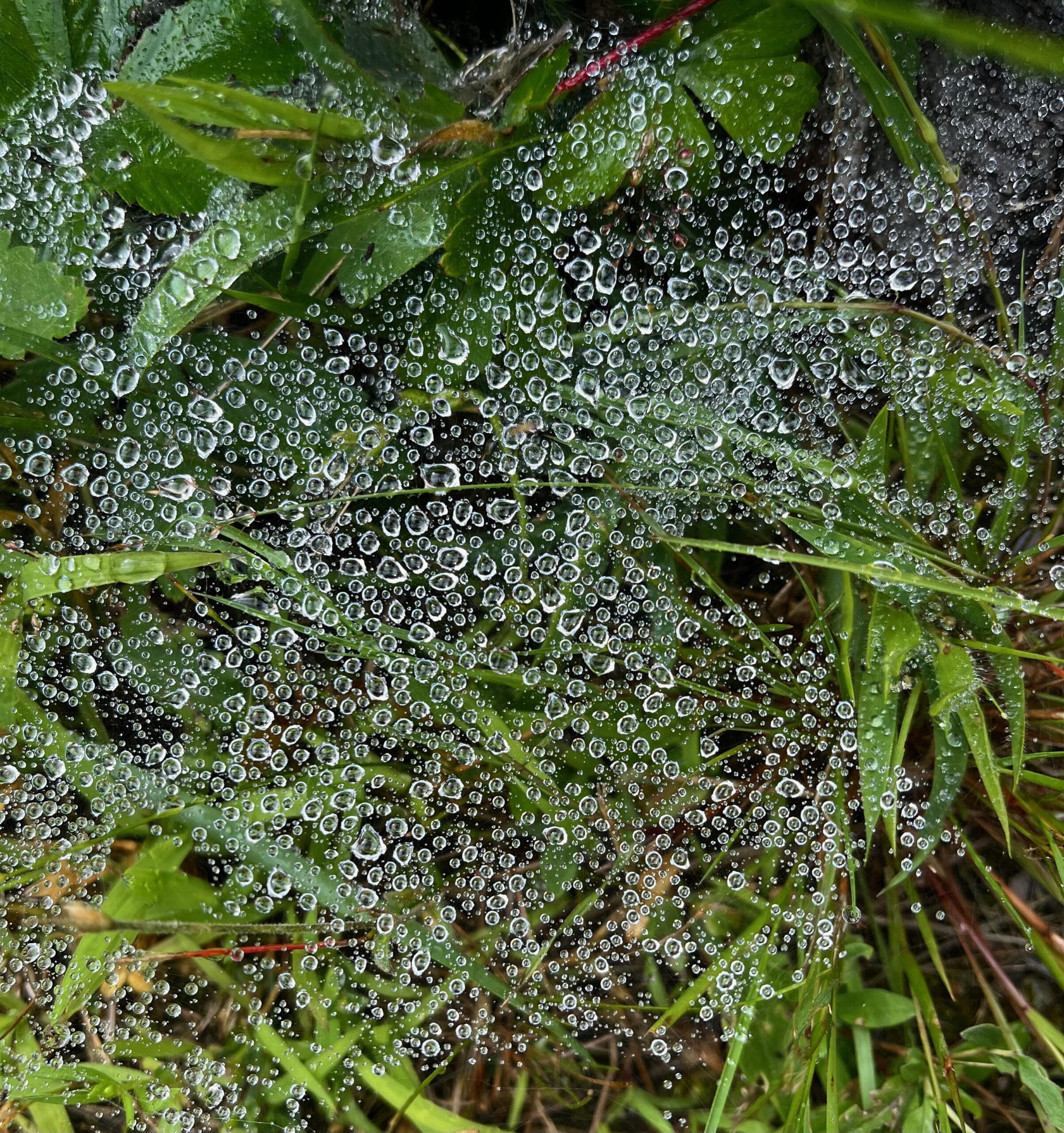 Sughra Raza. After The Rain. Vermont, July 2024.