by Dwight Furrow
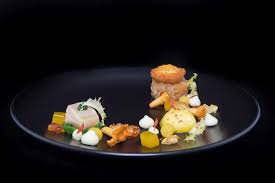 Much philosophical writing about food has included discussions of whether and why food can be a serious aesthetic object, in some cases aspiring to the level of art. These questions often turn on whether we create mental representations of flavors and textures that are as orderly and precise as the representations we form of visual objects.
The claim that we do not form such ordered, mental representations is central to the view that food and drink cannot be serious aesthetic objects or works of art. The reason is that genuine aesthetic experience requires the apprehension of form or structure. In the absence of structured representations there is no form to apprehend. (See Part 1 of this essay for a more detailed account of mental representations of aroma.)
I want to argue that the skeptics have a point although they draw the wrong inference from it. Our flavor experiences do, in fact, rest on weak representations. They lack the stable, detailed, clearly identifiable objects that vision typically yields. However, these weak representations allow for the apprehension of a different kind of structure, what I shall call a nomadic distribution (or continuously changing structure), and it is in fact this nomadic distribution of flavor that enables the aesthetic experiences characteristic of our engagement with food. The main point to draw from this is that cuisine is about transformation, one thing becoming another, and it is ill served by theoretical perspectives that rely on mental representations with firm identity conditions.
The explanations for why flavor and aroma are weakly representational fall into three categories—flavors are ephemeral, ambiguous, and difficult to remember with precision. Read more »


 The tree was immense even by local standards: a western red cedar that might have been a thousand years old. A botanist would want to measure it; I only wanted to touch its wrinkled face, or kneel among the roots and capture a dramatic snapshot looking up along the trunk. But it was fifty paces away and I couldn’t get there.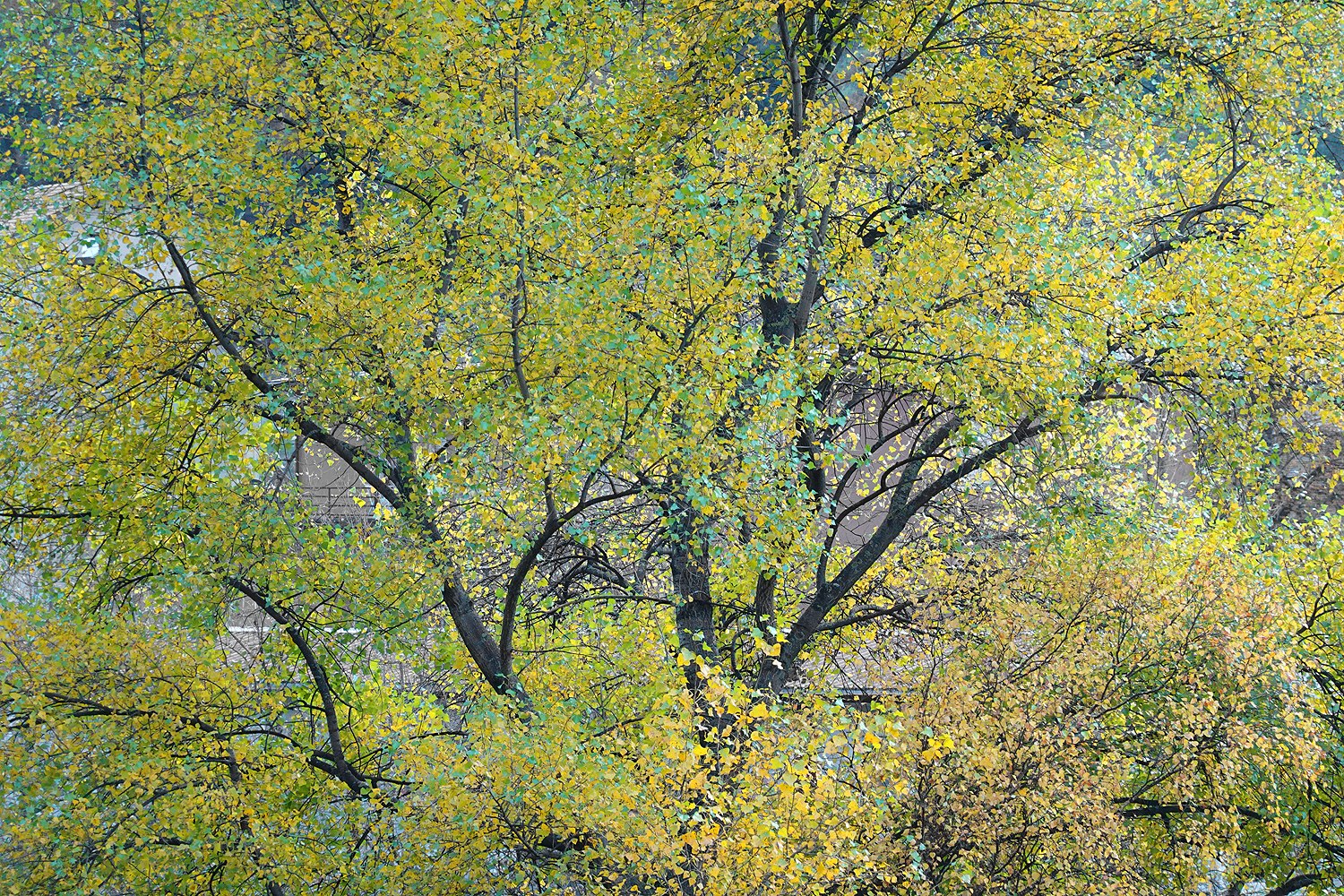


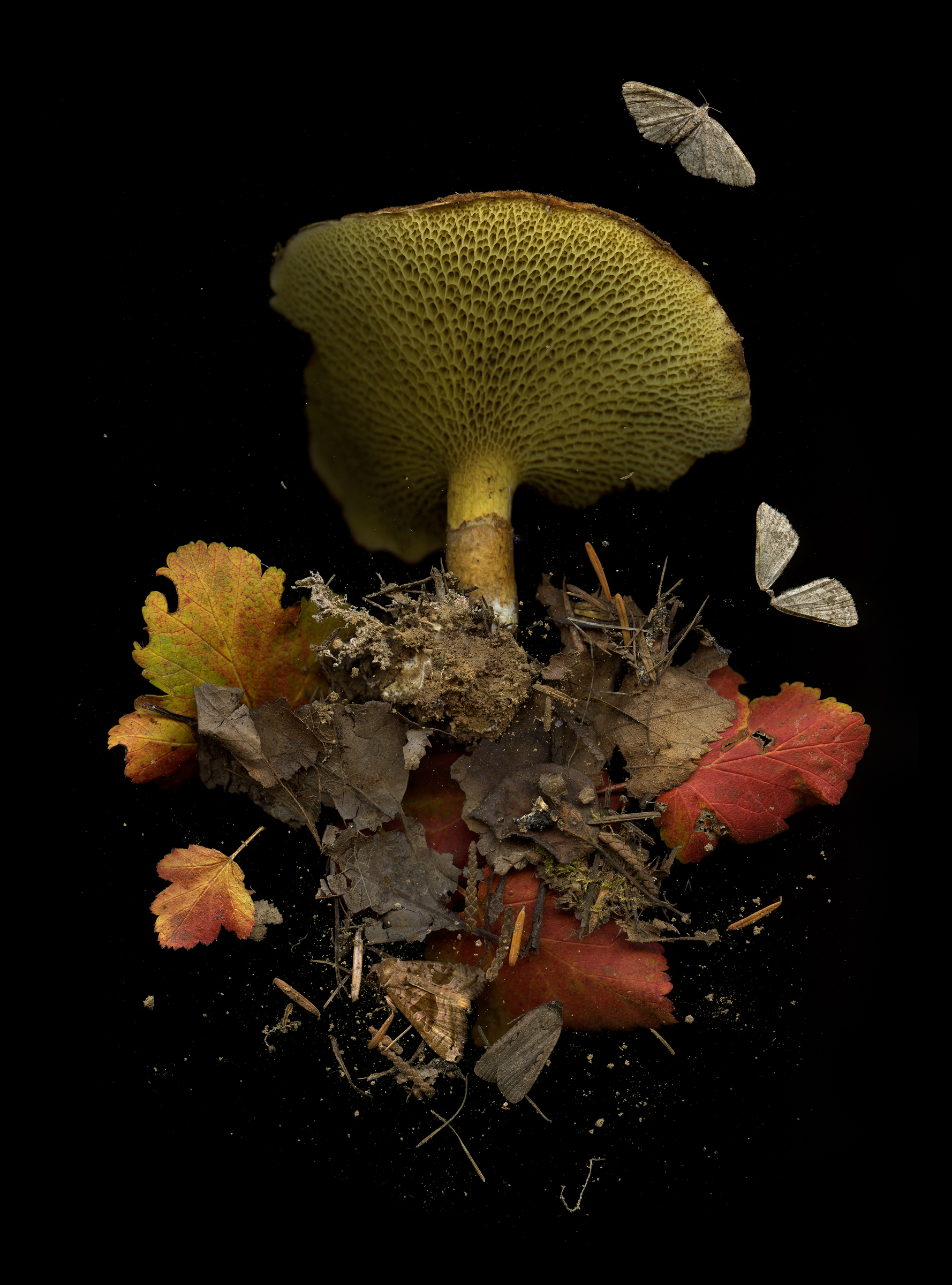 Julya Hajnoczky. Boletinellus Merulioides
 Maybe it’s defeat in a short, sharp war far from home. Maybe Russia captures Ukraine, or China attacks Taiwan. Maybe nothing happens yet, maybe it’s four or eight years away, but however the big change comes we’ll all agree the signs were there all along.


 For over twenty years I have been in awe of David Jauss as a writer, as a colleague and teacher, and above all for his insight into the contradictory human heart. His short stories have been gathered together in two essential collections,