by Philip Graham
Ross Barkan is certainly having a moment. His third and most ambitious novel, Glass Century, set in New York and encompassing over fifty years of the city’s history, has recently been published and is enjoying a raucously enthusiastic critical reception.

I wasn’t surprised by the praise for Glass Century. Having been a New York City cabdriver in the ’70s, a volunteer near Ground Zero in 2001, and the father of a daughter who refused to abandon her West Village apartment and beloved city during the Covid crisis, I found myself utterly convinced on every page by Barkan’s long game of interweaving intimate family secrets with the public unfolding of the city’s historic crises. And he can write a mean tennis match, too.
Meanwhile, this week Barkan’s long-time friend and political comrade-in-arms, Zohran Mamdani, has triumphed in the Democratic primary for New York City mayor. One might say that Ross Barkan, a 35-year-old novelist, journalist, essayist and political commentator, is feeling the warm embrace of the zeitgeist.
Philip Graham: Your novel Glass Century begins with the two main characters, Mona Glass and Saul Plotz, as they prepare the final arrangements of a false marriage. That their wedding will be staged is a secret built on another secret: Saul is already married and has two children. Mona believes this fictional wedding with her lover will fool her parents, who are relentless in their insistence that their fiercely independent daughter settle down and start a family.
Somehow, they manage to pull off the deception, not only for the wedding but for the many years of their actual committed relationship. A lot of people in this novel have to maintain the secret, and at least an equal number need to ignore or adopt a complicit silence about their suspicions—Mona’s parents and Saul’s wife and children, in particular. And somehow you manage as author to maintain this tightrope trick throughout the novel. It certainly rang true for me. Every family, I believe, cloaks some truth or truths that must remain silent.
Ross Barkan: Secrets are everything: shameful, powerful, ennobling, destructive. There isn’t a family without secrets. It’s only a matter of how large they are. Secrets were on my mind as I wrote Glass Century. How do we keep them? Whom do they hurt? Who benefits? A secret, sometimes, offers something of a counter-life. You slip in and live in a way you might not have otherwise. Already married Saul, in this instance, finds Mona to be something like his counter-life. And Mona, in turn, has the image of marriage, which was so important to her traditional parents in the 1970s. Of course, what makes this all interesting, as you point out, is that there are others aware of the ruse. There’s complicity. It’s plausible, certainly, to be skeptical of all of this—how is it possible? In a fictional world, there can be a just-so quality to events but I wanted to write in a manner where it didn’t seem so fantastical for secrets like these to be held. Men and women do have affairs, lives are carved out within lives, and families, in a way not so dissimilar from organisms, must adapt gradually to all of it. As I wrote the novel, I considered image versus reality, and how, from the outside, we know so very little about people. That’s the beauty of the novel form, and why I love it so: there’s the ability to excavate that interiority, that consciousness. I loved living in the pages with Mona and Saul. Read more »
 Today’s modest topic is the future of the West. Will it end in a bang, whimper or maybe just sort of muddle through in some zombie stagger? Whatever happens, a quarter of the way through the American Century, the standard of liberal democracy we hoisted as global inevitability twenty years ago hangs by the scruff of the neck and its enemies are eager to boot it straight into irrelevance.



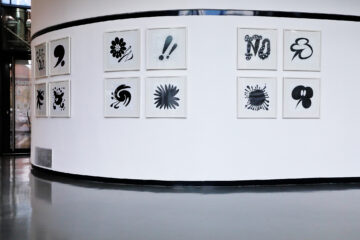

 Watching Israel and Iran lob bombs at each other these last few weeks makes me tired. Just when the world seemed completely destabilized and clinically looney, two countries who both trace their religions back to Abraham or Ibrahim decide to make things worse. I know you’re supposed to reach for the most recent issue of Foreign Affairs or parse treaties on nuclear non-proliferation to make sense of this missile orgy, but this latest war might make you reach for your earplugs and blindfold instead.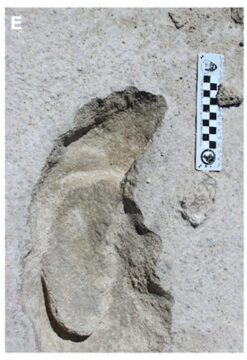



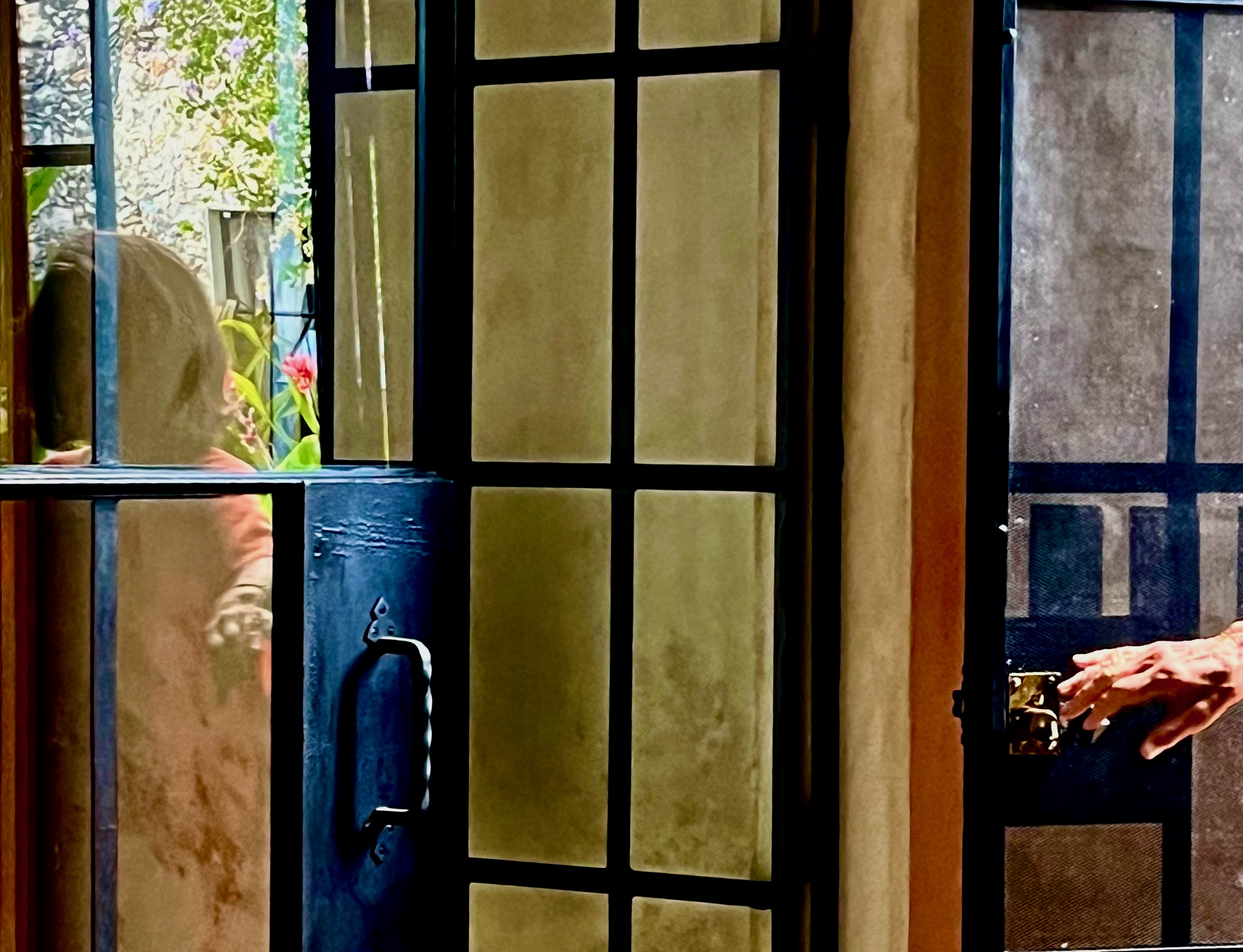 Sughra Raza. The Visitor. Mexico, March 2025.