
by TJ Price
“What a relief to have nothing to say, the right to say nothing, because only then is there a chance of framing the rare, and ever rarer, thing that might be worth saying.” —Gilles Deleuze
I struggle sometimes to write this column. See, it forces me to confront an essential question, which is: what exactly do I have to say? Which of course then leads to what exactly do I have to say that is worth saying? My typical form of writing originates from the headwaters of poetry—when it comes to critique or feedback, I prefer the analysis of syntax over plot structure and debate regarding semantic choice over character development. But when I consider this column space, the blankness of it is daunting. Because of its placement in the larger magazine, it is something which I know will be read, or at least scrolled past, so I have to recalibrate my thinking to encompass getting attention.

One of the themes I have been working with a lot lately in my fiction writing is this very thing: drawing attention to oneself, akin to the Lacanian theory of the Gaze, but extrapolated outward, in the direction of cosmic horror. I am aware that this is not a feeling many others share. Some folks even thrive on attention, craving the spotlight, sometimes to the extent of elbowing others out of the way. This feeling is anathema to me—I recall the cartoons of my youth, in which the hapless creature, suffused with pride, looks down to see the big black X painted on the ground they stand. This mark, of course, is quickly blotted out by the rapidly-expanding shadow of something enormous, plummeting from an unknown point above. Then, cue the quick-cuts: wilting ears, constricting pupils (maybe a little umbrella,) followed by the decisive and inevitable sound of a discordant piano exploding on impact, the woozy creature’s teeth replaced by tinkling ivories.
To me, being noticed is terrifying enough when it’s just another human on the other end of the Gaze. I don’t speak of casual interaction in neutral spaces, a soft frisson of recognition and dismissal, though—for me, to be noticed implies a certain level of interest or fascination. A sort of hunger, even. It’s the cruel potential for envy or jealousy that frightens me, I think. Envy coupled with power. Read more »
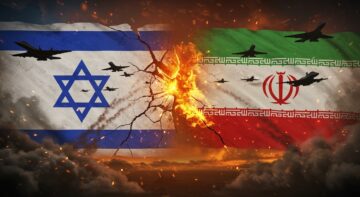 Watching Israel and Iran lob bombs at each other these last few weeks makes me tired. Just when the world seemed completely destabilized and clinically looney, two countries who both trace their religions back to Abraham or Ibrahim decide to make things worse. I know you’re supposed to reach for the most recent issue of Foreign Affairs or parse treaties on nuclear non-proliferation to make sense of this missile orgy, but this latest war might make you reach for your earplugs and blindfold instead.


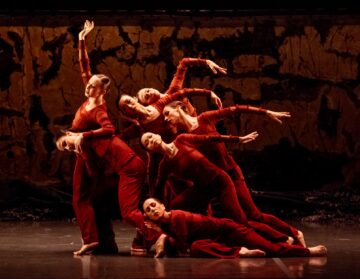
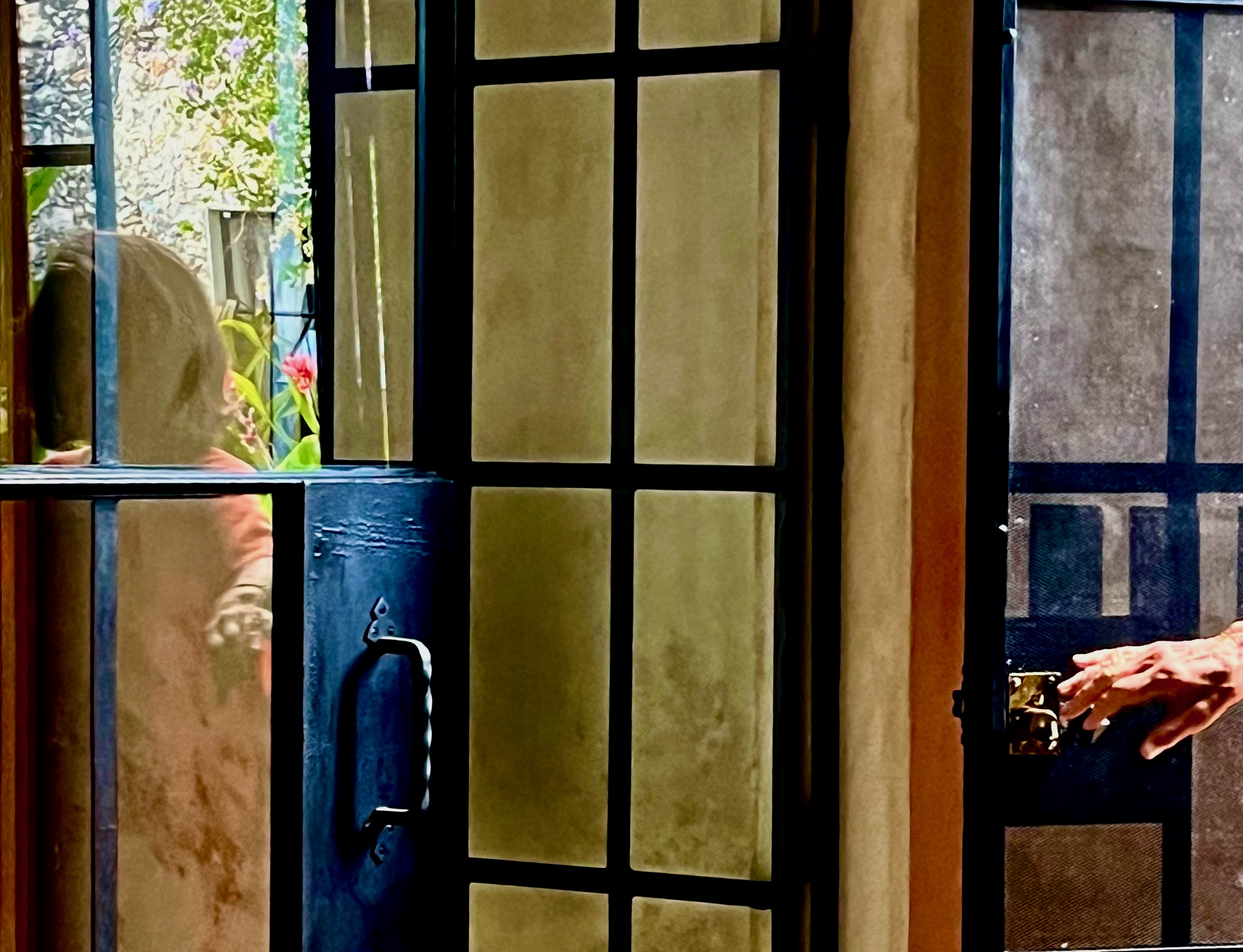 Sughra Raza. The Visitor. Mexico, March 2025.

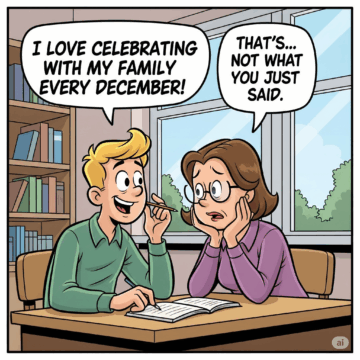 At a Christmas market in Germany, I told my German girlfriend’s mother that I masturbate with my family every December.
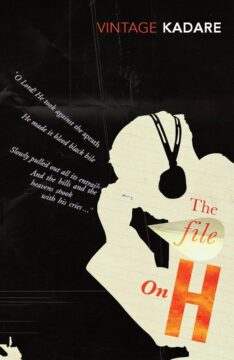 The File on H is a novel written in 1981 by the Albanian author Ismail Kadare. When a reader finishes the Vintage Classics edition, they turn the page to find a “Translator’s Note” mentioning a five-minute meeting between Kadare and Albert Lord, the researcher and scholar responsible, along with Milman Parry, for settling “The Homeric Question” and proving that The Iliad and The Odyssey are oral poems rather than textual creations. As The File on H retells a fictionalized version of Parry and Lord’s trips to the Balkans to record oral poets in the 1930’s, this meeting from 1979 is characterized as the genesis of the novel, the spark of inspiration that led Kadare to reimagine their journey, replacing primarily Serbo-Croatian singing poets in Yugoslavia with Albanian bards in the mountains of Albania.
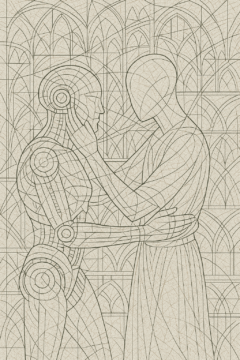
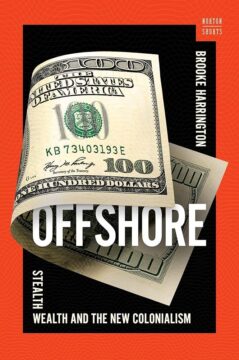 The Paradise, Pandora and Panama Papers, exposing secret offshore accounts in global tax havens, will be familiar to many. They are central to the work of economic sociology professor, Brooke Harrington. She has spent many years researching the ultra-wealthy and several books on the subject have been the result. Her latest book Offshore: Stealth Wealth and the New Colonialism is a continuation of her research; it focuses on ‘the system’, the professional enablers who support and advise the ultra-wealthy and make it possible for them to store and conceal their phenomenal fortunes in secret offshore accounts.