When ChatGPT was released late in November of 2022 my immediate response was, “meh.” But then I decided that I needed to check it out, if only out of curiosity. Within an hour or so my reaction went from “meh” to “hot damn!” I put it through its paces in various small ways before deciding to give it a whirl on a task I understood well, interpreting a text. In this case I chose a film, Steven Spielberg’s Jaws. I published the result here in 3QD: Conversing with ChatGPT about Jaws, Mimetic Desire, and Sacrifice (Dec. 5, 2022).
I then dove in with both feet. For about a year or so I was mostly interested in observing ChatGPT’s behavior. In time I began using it as an assistant in my own work, even as a collaborator. I started working with Anthropic’s Claude in November of 2024. Starting in December I did a series of posts in which I had Claude discuss photos I uploaded. At the same time integrating it into my general intellectual workflow along with ChaGPT.
In March of this year I began working on a somewhat speculative book on the long-term prospects of AI. Current working title: Play: How to Stay Human in the AI Revolution. I have been making extensive use of both Claude and ChatGPT in developing the book. I’ve used them for general research, for summarizing some of my scholarly research and evaluating it for use in the book, for working on the overall structure of the book, and more generally for things and stuff. The purpose of this article is to give you a glimpse into that work.
First comes three sections of preliminary materials. The fourth section is a short essay that ChatGPT wrote: Beyond the Human/AI Divide. I conclude with some questions about just who or what wrote that essay.

 In
In 
 In a recent essay,
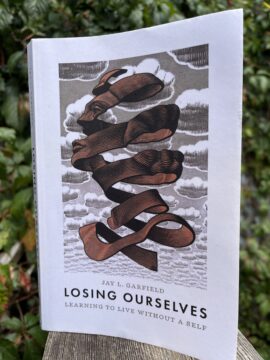 We’re living at a time when the glorification of independence and individualism is harming the world and others in it, as well as leading to an epidemic of loneliness. According to Jay Garfield, the root of suffering is in our self-alienation, and one symptom of our alienation is clinging to the notion that we are selves. “We are wired to misunderstand our own mode of existence,” he writes in his brief yet substantial 2022 book,
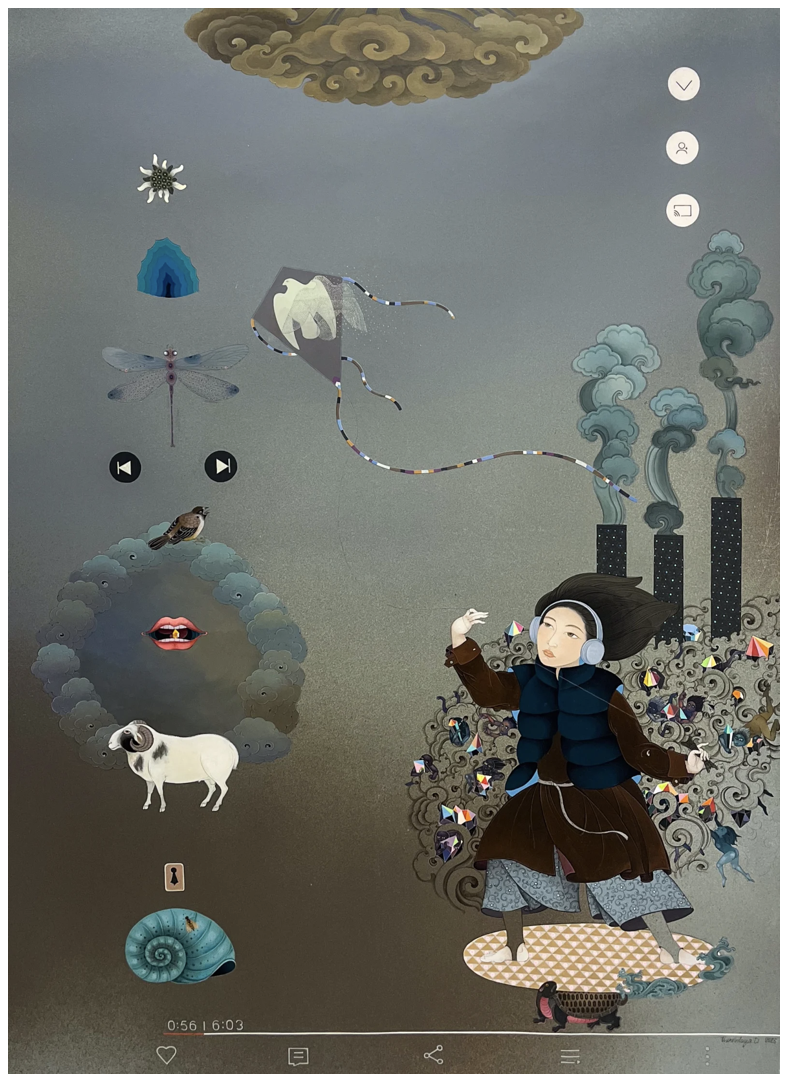 Uuriintuya Dagvasambuu (Mongolia). Woman in Ulaanbaatar: Dreams Carried by Wind, 2025.

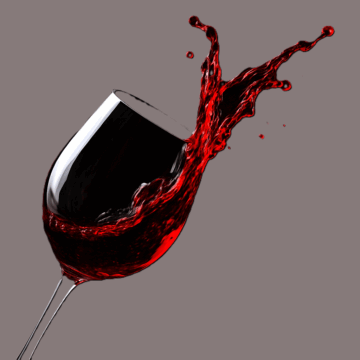 Wine tasting is a great seducer for those with an analytic cast of mind. No other beverage has attracted such elaborate taxonomies: geographical classifications, wine variety classifications, quality classifications, aroma wheels, mouthfeel wheels, and numerical scores. To taste wine, in this dominant model, is to decode—to fix a varietal essence, to pin down terroir as if it were a stable identity, to judge typicity (i.e. its conformity to a norm) as though it were the highest aesthetic ideal. The rhetoric of mastery in wine culture depends on this illusion of stability: Cabernet must show cassis and graphite, Riesling must taste of petrol and lime, terroir speaks in a singular tongue waiting to be translated.