by Ashutosh Jogalekar
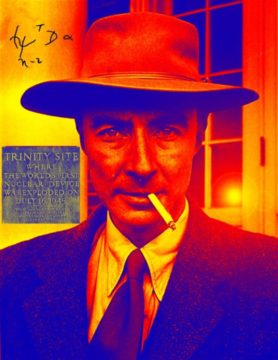
This is the third in a series of posts about J. Robert Oppenheimer’s life and times. All the others can be found here.
In 1925, there was no better place to do experimental physics than Cambridge, England. The famed Cavendish Laboratory there has been created in 1874 by funds donated by a descendant of the eccentric scientist-millionaire Henry Cavendish. It had been led by James Clerk Maxwell and J. J. Thomson, both physicists of the first rank. In 1924, the booming voice of Ernest Rutherford reverberated in its hallways. During its heyday and even beyond, the Cavendish would boast a record of scientific accomplishments unequalled by any other single laboratory before or since; the current roster of Nobel Laureates associated with the institution stands at thirty. By the 1920s Rutherford was well on his way to becoming the greatest experimental physicist in history, having discovered the laws of radioactive transformation, the atomic nucleus and the first example of artificially induced nuclear reactions. His students, half a dozen Nobelists among them, would include Niels Bohr – one of the few theorists the string-and-sealing-wax Rutherford admired – and James Chadwick who discovered the neutron.
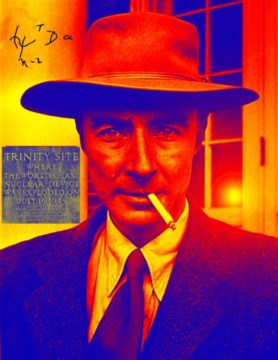
Robert Oppenheimer returned back to New York in 1925 after a vacation in New Mexico to disappointment. While he had been accepted into Christ College, Cambridge, as a graduate student, Rutherford had rejected his application to work in his laboratory in spite of – or perhaps because of – the recommendation letter from his undergraduate advisor, Percy Bridgman, that painted a lackluster portrait of Oppenheimer as an experimentalist. Instead it was recommended that Oppenheimer work with the physicist J. J. Thomson. Thomson, a Nobel Laureate, was known for his discovery of the electron, a feat he had accomplished in 1897; by 1925 he was well past his prime. Oppenheimer sailed for England in September. Read more »
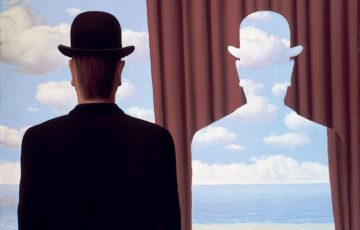 One of the amusing things about academic conferences – for a European – is to meet with American scholars. Five minutes into an amicable conversation with an American scholar and they will inevitably confide in a European one of two complaints: either how all their fellow American colleagues are ‘philistines’ (a favourite term) or (but sometimes and) how taxing it is to be always called out as an ‘erudite’ by said fellow countrymen. As Arthur Schnitzler demonstrated in his 1897 play Reigen (better known through Max Ophühls film version La Ronde from 1950), social circles are quickly closed in a confined space; and so, soon enough, by the end of day two of the conference, by pure mathematical calculation, as Justin Timberlake sings, ‘what goes around, comes around’, all the Americans in the room turn out to be both philistines and erudite.
 Sa’dia Rehman. Allegiance To The Flag on Picture Day, 2018.



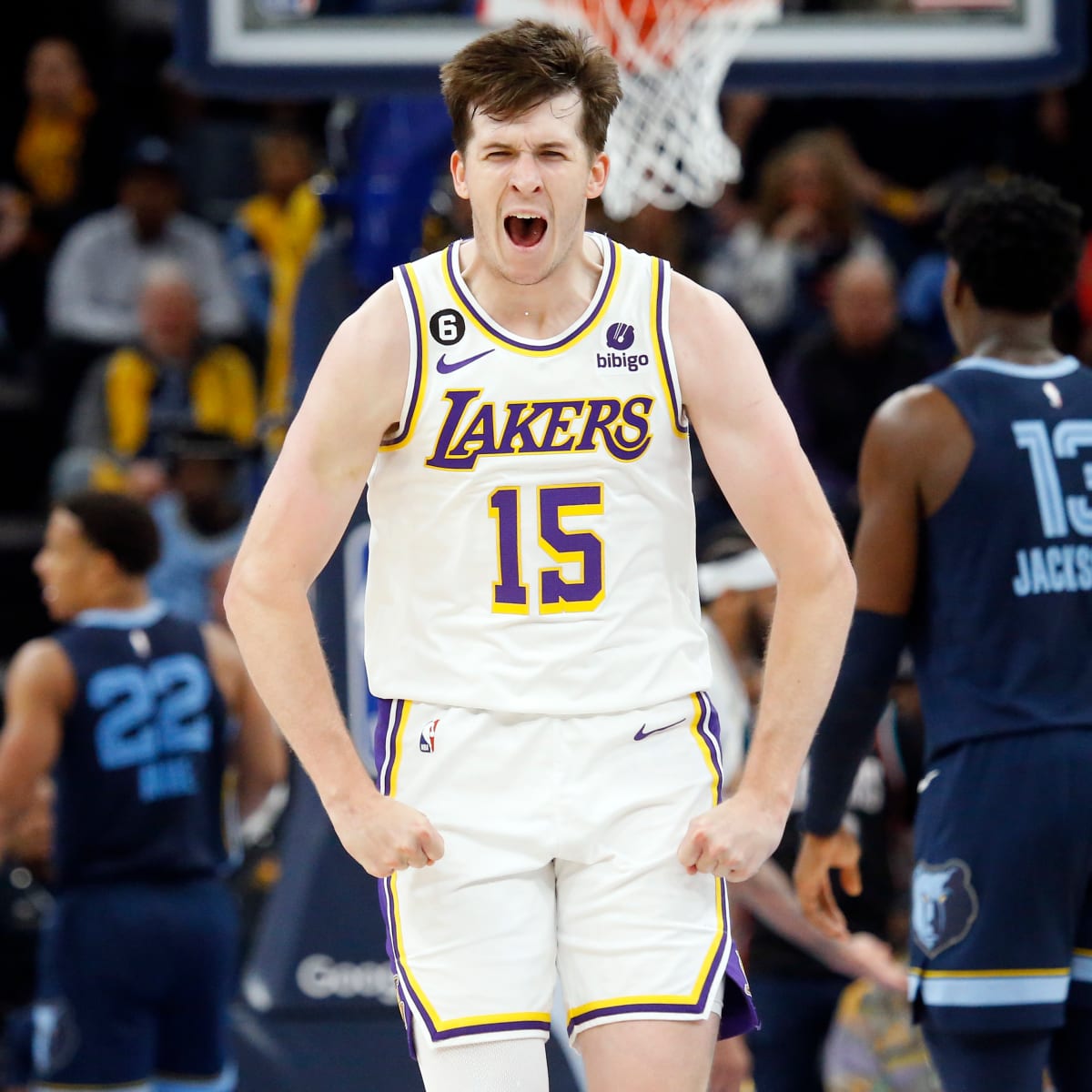 In the first round of this year’s NBA playoffs, Austin Reaves, an undrafted and little-known guard who plays for the Los Angeles Lakers, held the ball outside the three-point line. With under two minutes remaining, the score stood at 118-112 in the Lakers’ favor against the Memphis Grizzlies. Lebron James waited for the ball to his right. Instead of deferring to the star player, Reaves ignored James, drove into the lane, and hit a floating shot for his fifth field goal of the fourth quarter. He then turned around
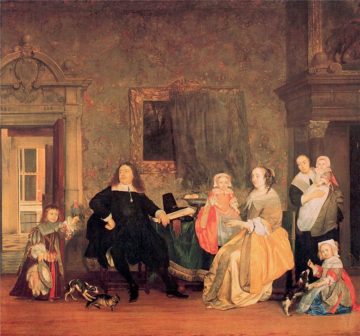
 Aqui Thami. Resisters, 2018.
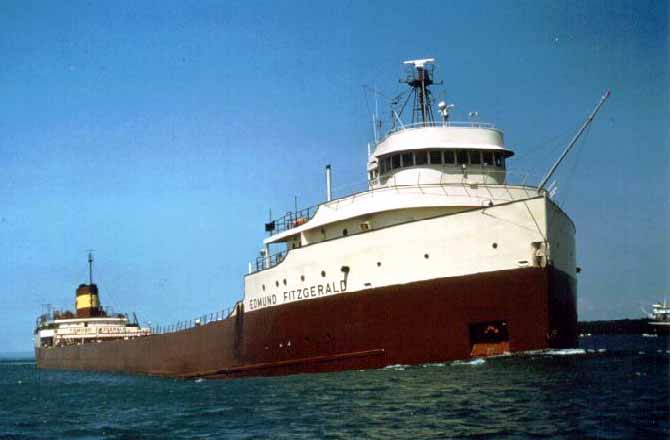 I can’t sing. Or so I always thought. A notorious karaoke warbler, I would sometimes pick a country tune, preferably Hank Williams, so that when my voice cracked, I could pretend I was yodeling. Then one night, I stepped up to the bar’s microphone and sang a Gordon Lightfoot song.