
by Marie Snyder
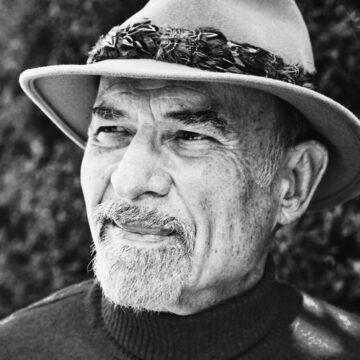 CW: As the title suggests, there will be discussion of death and dying and some mention of suicide in this post.
I thought nothing of following up my last post on Irvin Yalom on the meaning of life with Yalom on the meaning of death, until I started writing here. The very reality of being a bit wary of broaching the subject reveals the strength of societal taboos against admitting that we’re all going to die. Until it’s staring us in the face, we delude ourselves into thinking we will get better and better, mentally and physically, despite that our brain starts to shrink in our 30s, and our joints and organs will start to give out not so long after. We work hard to keep death clean and sanitized so the reality doesn’t seep in too much, and we try to do all the right things to keep death at bay: exercise, various special diets, wearing masks to avoid viruses. We can fix some evidence of erosion with meds and surgeries, sometimes miraculously, but some people even hope to keep their brain going long after their body dies.
A few recent shows and films have me thinking of death further. The final episode of How To with John Wilson explores the cryogenics world, which appears to be an incredibly lucrative insurance scam. The movie Mickey 17 lightheartedly explores what it might be like to regenerate over and over again, and it doesn’t look pleasant. But Lee, the story of photographer Lee Miller, who took famous photos of the holocaust, helps us feel the resolve it requires to look death in the face. Kate Winslet captures the instinct to turn away and then intentionally turn back to open that door over and over. The ending takes a slightly different path, exploring how little we might be known even as we live. In burying our past, we can end up hiding from life. Yalom wants us to come to terms with the endpoint of our lives, and points out that the desire to be fully known, which is impossible, is yet another defence against accepting the finality of death by remaining alive in memories. We look for any loophole to refuse to believe we’ll be well and truly gone.
In the documentary, Yalom’s Cure, Yalom explains that he started out working with a support group for people dying of cancer. One of the participants said that it’s too bad it took dying of cancer to learn how to live, and Yalom decided we need to figure out how to do that sooner. It was then he noticed how strongly we defend ourselves from any acknowledgement of death. Read more »

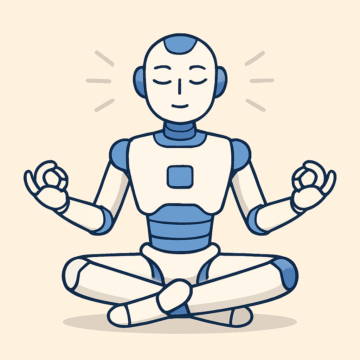 Remember how Dave interacted with HAL 9000 in 2001: A Space Odyssey? Equanimity and calm politeness, echoing HAL’s own measured tone. It’s tempting to wonder whether Arthur C. Clarke and Stanley Kubrick were implying that prolonged interaction with an AI system influenced Dave’s communication style and even, perhaps, his overall demeanor. Even when Dave is pulling HAL’s circuits, after the entire crew has been murdered by HAL, he does so with relative aplomb.

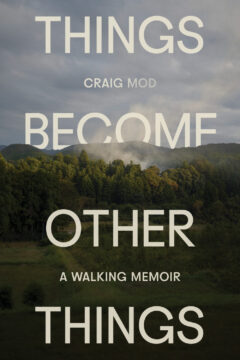
 3QD: The old cliché about a guest needing no introduction never seemed more apt. So instead of me introducing you to our readers, maybe you could begin by telling us a little bit about yourself, perhaps something not so well known, a little more revealing.
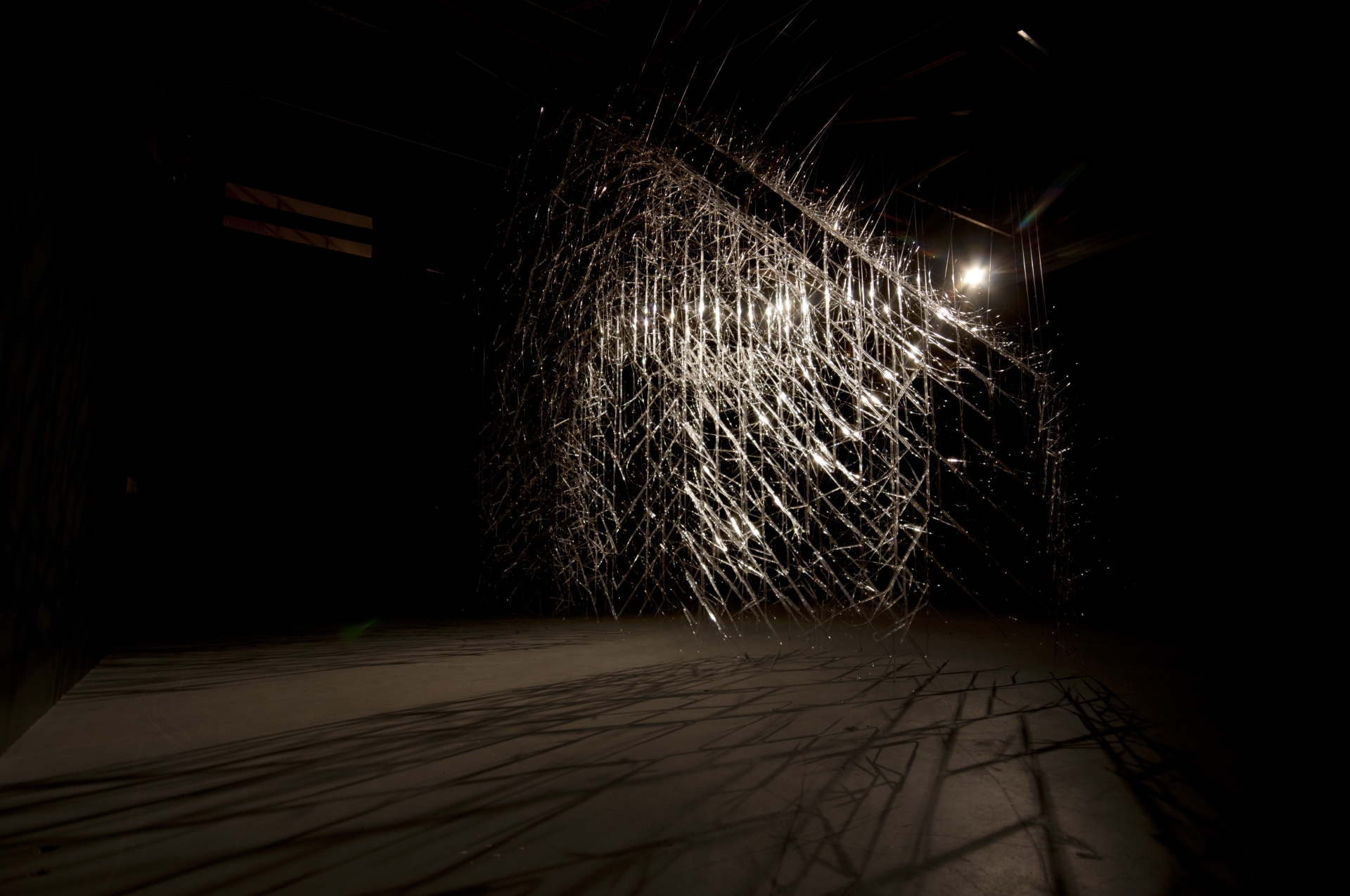 Katie Newell. Second Story. 2011, Flint, Michigan.
 It is a curious legacy of philosophy that the tongue, the organ of speech, has been treated as the dumbest of the senses. Taste, in the classical Western canon, has for centuries carried the stigma of being base, ephemeral, and merely pleasurable. In other words, unserious. Beauty, it was argued, resides in the eternal, the intelligible, the contemplative. Food, which disappears as it delights, seemed to offer nothing of enduring aesthetic value. Yet today, as gastronomy increasingly is being treated as an aesthetic experience, we must re-evaluate those assumptions.
 In my Philosophy 102 section this semester, midterms were particularly easy to grade because twenty seven of the thirty students handed in slight variants of the same exact answers which were, as I easily verified, descendants of ur-essays generated by ChatGPT. I had gone to great pains in class to distinguish an explication (determining category membership based on a thing’s properties, that is, what it is) from a functional analysis (determining category membership based on a thing’s use, that is, what it does). It was not a distinction their preferred large language model considered and as such when asked to develop an explication of “shoe,” I received the same flawed answer from ninety percent of them. Pointing out this error, half of the faces showed shame and the other half annoyance that I would deprive them of their usual means of “writing” essays.

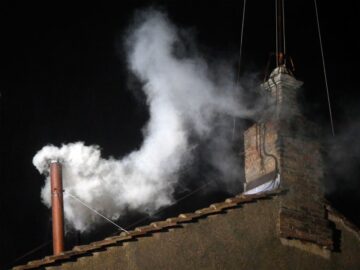 s on a common topic. Yet at noon on May 8th, all 16 high school seniors in my AP Lit class were transfixed by one event: on the other side of the Atlantic, white smoke had come out of a chimney in the Sistine Chapel. “There’s a new pope” was the talk of the day, and phone screens that usually displayed Instagram feeds now showed live video of the Piazza San Pietro in Rome.

 Danish author Solvej Balle’s novel On the Calculation of Volume, the first book translated from a series of five, could be thought of as time loop realism, if such a thing is imaginable. Tara Selter is trapped, alone, in a looping 18th of November. Each morning simply brings yesterday again. Tara turns to her pen, tracking the loops in a journal. Hinting at how the messiness of life can take form in texts, the passages Tara scribbles in her notebooks remain despite the restarts. She can’t explain why this is, but it allows her to build a diary despite time standing still. The capability of writing to curb the boredom and capture lost moments brings some comfort.