by Shadab Zeest Hashmi
Author’s Note: A version of this essay was presented at the London Arts-Based Research Conference (Dec ‘23) on the topic: “The Emergence of Soul: Jung and the Islamic World through Lecture and Art”.
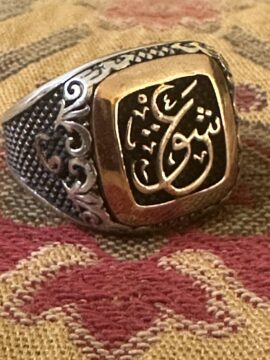 The Sufis aspire to the highest conception of love and understand it to be the vital force within, a metonym for Divine essence itself, obscured by the ego and waiting to be recovered and reclaimed. Sufi poetry, in narrative, or lyric form, involves an earthly lover whose reach for the earthly beloved is not merely a romance, rather, it transcends earthly desire and reveals, as it develops, signs of Divine love, a journey that begins in the heart and involves the physical body, but culminates in the spirit.
My reading of Sufi love poetry, translated from different languages, shows that even though this tradition spans more than a millennium and includes disparate cultures, it follows the same mystic logic at its core. Whether folkloric or classical, penned or belonging strictly to the oral tradition, this genre has a discernible sensibility that likely stems from interpretations of the Quran itself.
As I explore the relationship between the earthly and Divine beloved in poetry by Persian, Arabic, Urdu or Punjabi poets, I am led to the love epics sourced from the Quran. These have been abundantly repeated, adapted, and studied, and of course yield a variety of interpretations. I approach them here in relation to the three features that I understand to be the dynamics of Sufi Poetics that integrate the earthly and Divine: An all-encompassing, merciful love as the force of deep awareness (Presence) that facilitates an appreciation of differences and contradictions (Paradox) and pours into harmonious coexistence (Pluralism)— forming a circuit that flows in and out of Divine love. Read more »
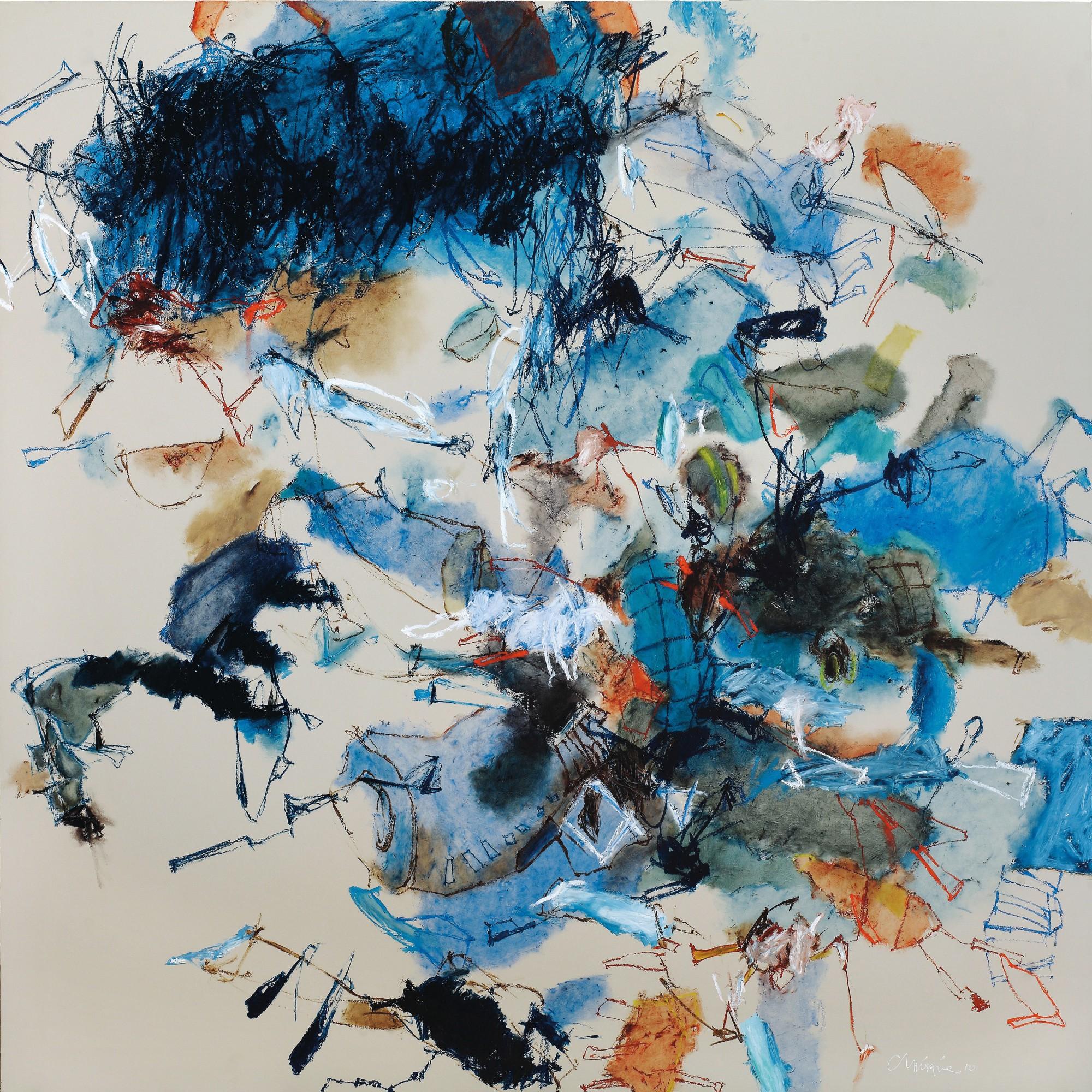 Christine Ay Tjoe. First Type of Stairs, 2010.
 Two spaces after a period, not one. If a topic sentence leading to a paragraph can get a whole new line and an indentation, then other new sentences can get an extra space. Don’t smush sentences together like puppies in a cardboard box at a WalMart parking lot. Let them breathe. Show them some affection. Teach them to shit outside.
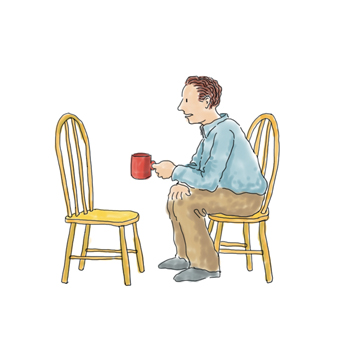 Over thirty years ago I was in an on-again-off-again relationship that I just couldn’t shake. After months of different types of therapies, I lucked into a therapist who walked me through a version of the Gestalt exercise of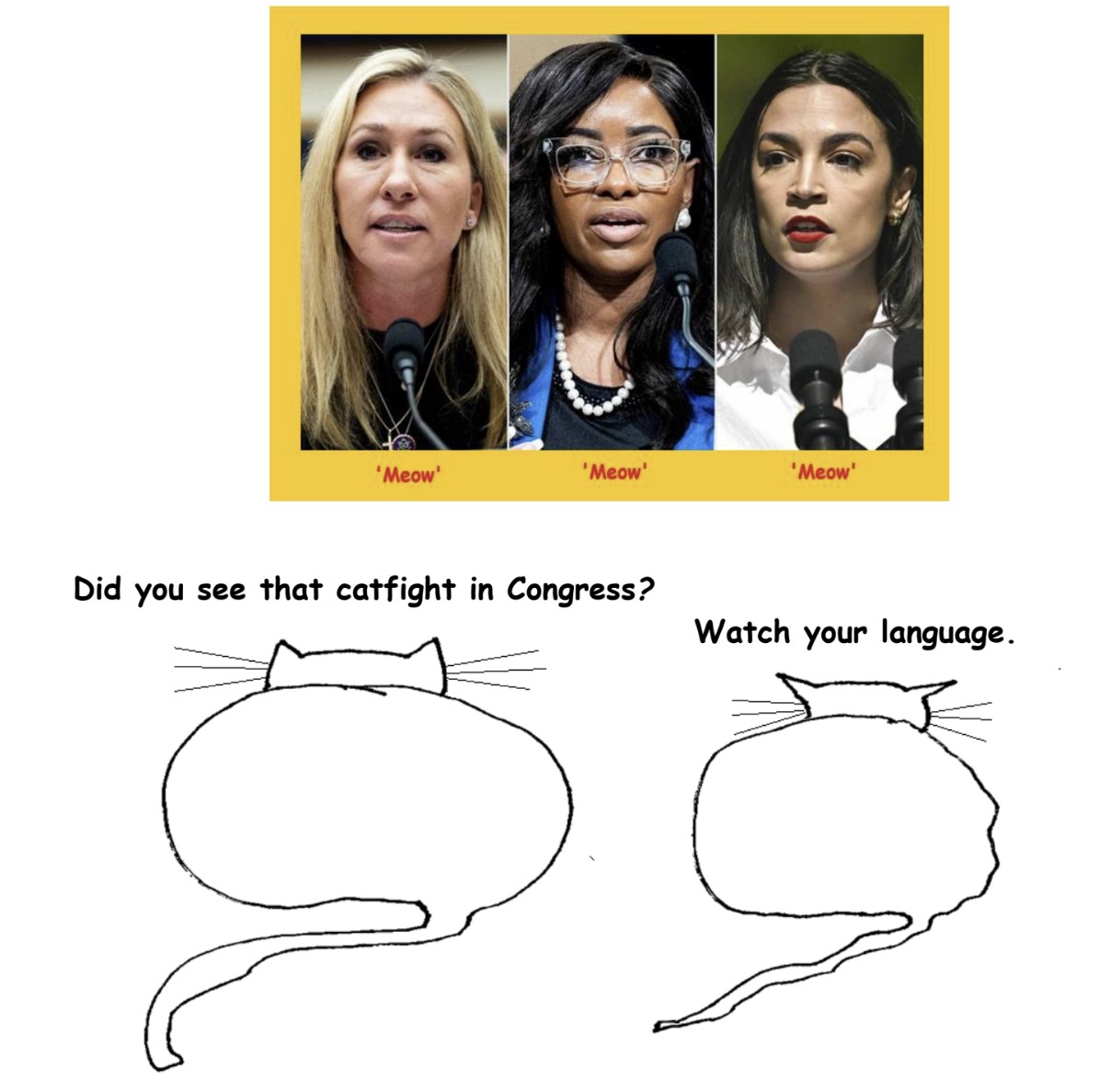
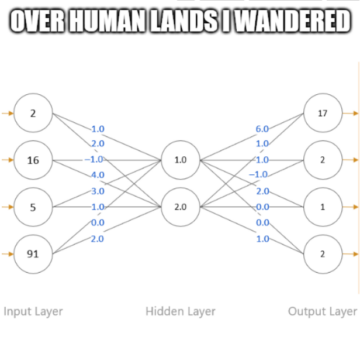 I was asked recently to speak at the University of Toronto about poetry in translation, a topic close to my heart for a number of reasons. I happened at the time to be working on a text concerned, not with translating poetry, but with lyric expression in its most practical form: that is, as a commodity with a material history, as an object that can be traded, one with an exchange value as well as a use value (however the latter might be defined, or experienced).
 Once again the world faces death and destruction, and once again it asks questions. The horrific assaults by Hamas on October 7 last year and the widespread bombing by the Israeli government in Gaza raise old questions of morality, law, history and national identity. We have been here before, and if history is any sad reminder, we will undoubtedly be here again. That is all the more reason to grapple with these questions.
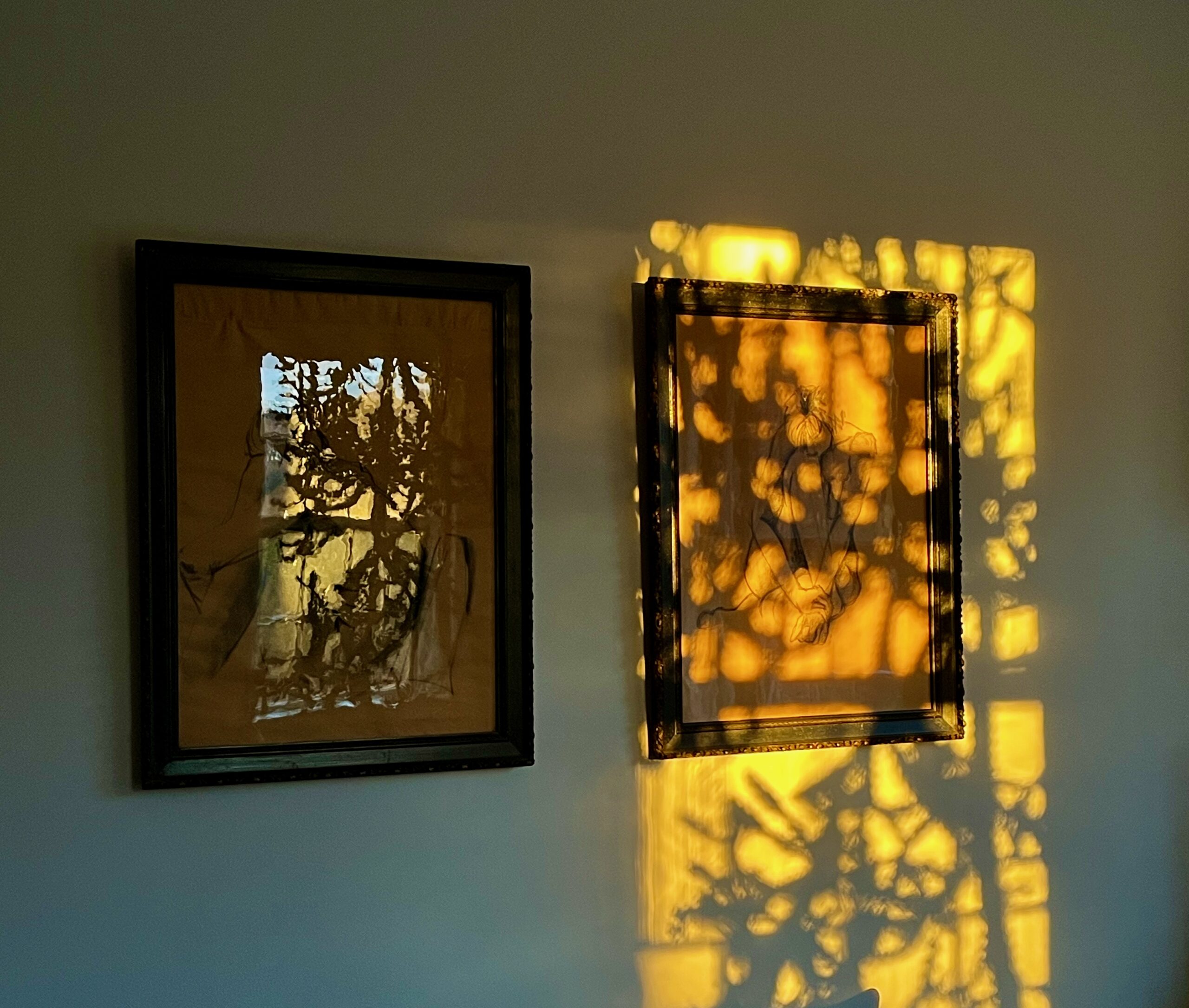 Sughra Raza. Light Play in The Living Room, November 2023.
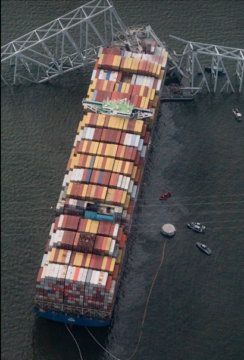 One of nature’s most endearing parlor tricks is the ripple effect. Drop a pebble into a lake and little waves will move out in concentric circles from the point of entry. It’s fun to watch, and lovely too, delivering a tiny aesthetic punch every time we see it. It’s also the well-worn metaphor for a certain kind of cause-and-effect, in which the effect part just keeps going and going. This metaphor is a perfect fit for one of the worst allisions in US maritime history, leading to the collapse of Baltimore’s Francis Scott Key Bridge after it was hit by the container ship MV Dali on the morning of March 26, 2024.

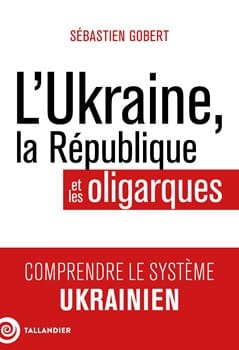 No matter where you go, Aristotle believes, the rich will be few and the poor many. Yet, to be an oligarch means more than to simply be part of the few, it means to govern as rich. Oligarchs claim political power precisely because of their wealth.