by Rafaël Newman
 If I were asked to name the creed in which I was raised, the ideology that presented itself to me in the garb of nature, I would proceed by elimination. It wasn’t Judaism, although my father’s parents were orthodox Jewish immigrants from the Czarist Pale, and we celebrated Passover with them as long as we lived in Montreal. It certainly wasn’t Christianity, despite my maternal grandparents’ birth in protestant regions of the German-speaking world; and it wasn’t the Communism Franz and Eva initially espoused in their new Canadian home, until the Molotov-Ribbentrop Pact put an end to their fellow traveling in 1939. Nor can I claim our tribal allegiance to have been to psychoanalysis, my mother’s professional and personal access to secular Jewish culture, although most of my relatives have had some contact, whether fleeting or intensive, paid or paying, with psychotherapy—since the legitimate objections raised by many of them to the limits of classical Freudian theory prevent it from serving wholesale as our ancestral faith, no matter the extent to which a belief in depth psychology and the foundational importance of psychosexual development informs our discussions of family dynamics.
No, our house religion was social democracy.
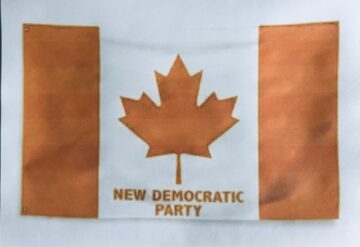
Our family commitment to sexual and racial equality, socialized medicine, decolonization, and government regulation of the market was manifest, of course, in a geographically and historically conditioned form: in electoral loyalty to the NDP, Canada’s mainstream progressive party, founded in 1932 as the Co-operative Commonwealth Federation (CCF) and renamed the New Democratic Party in 1961. Our family credo held that the Liberal Party of Canada, known as the Grits, might look progressive enough, but their instincts would always be pro-business; any socially progressive policies they may have championed had been forced on them by their marriages of parliamentary convenience with the New Democrats. As for the Tories, Canada’s Conservatives, they were simply out of the question for progressives: it’s in the name. My choice of the NDP in the ballot box, when I came of voting age, was thus at once more, and less, than a deliberate commitment: it was a reflex, almost an instinct. It was second nature.
My first proper induction into retail politics was at the age of 14, several years before I was eligible to vote; and it involved working on a by-election campaign for the local NDP candidate in our Ontario riding of Broadview. Before we moved east to Toronto, from the Vancouver suburbs where we spent the mid-1970s, I had already twice ventured into political activism: once visiting a meeting of the local Trotskyist cell, where I was amazed to encounter my high school French teacher; and once at a rally for divestment by Canadian banks in then-apartheid South Africa. (This is not counting my fabled instrumentalization as an infant, when my mother protested the sale of Californian grapes at our local Steinberg’s grocery store in 1960s Montreal, holding me aloft, like Andromache for extra pathos, as she cited Cesar Chavez and the NFWA.)
Now, in 1978, freshly arrived in our new home in east-central Toronto, I was encouraged by my parents to volunteer in support of Bob Rae, who would go on, at 30, to win his first federal seat for the NDP that October and would remain a member of parliament for over two decades. Read more »
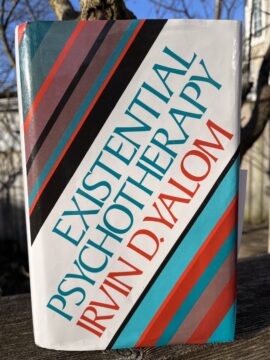 About 45 years ago, psychiatrist Irvin Yalom estimated that a good 30-50% of all cases of depression might actually be a crisis of meaninglessness, an
 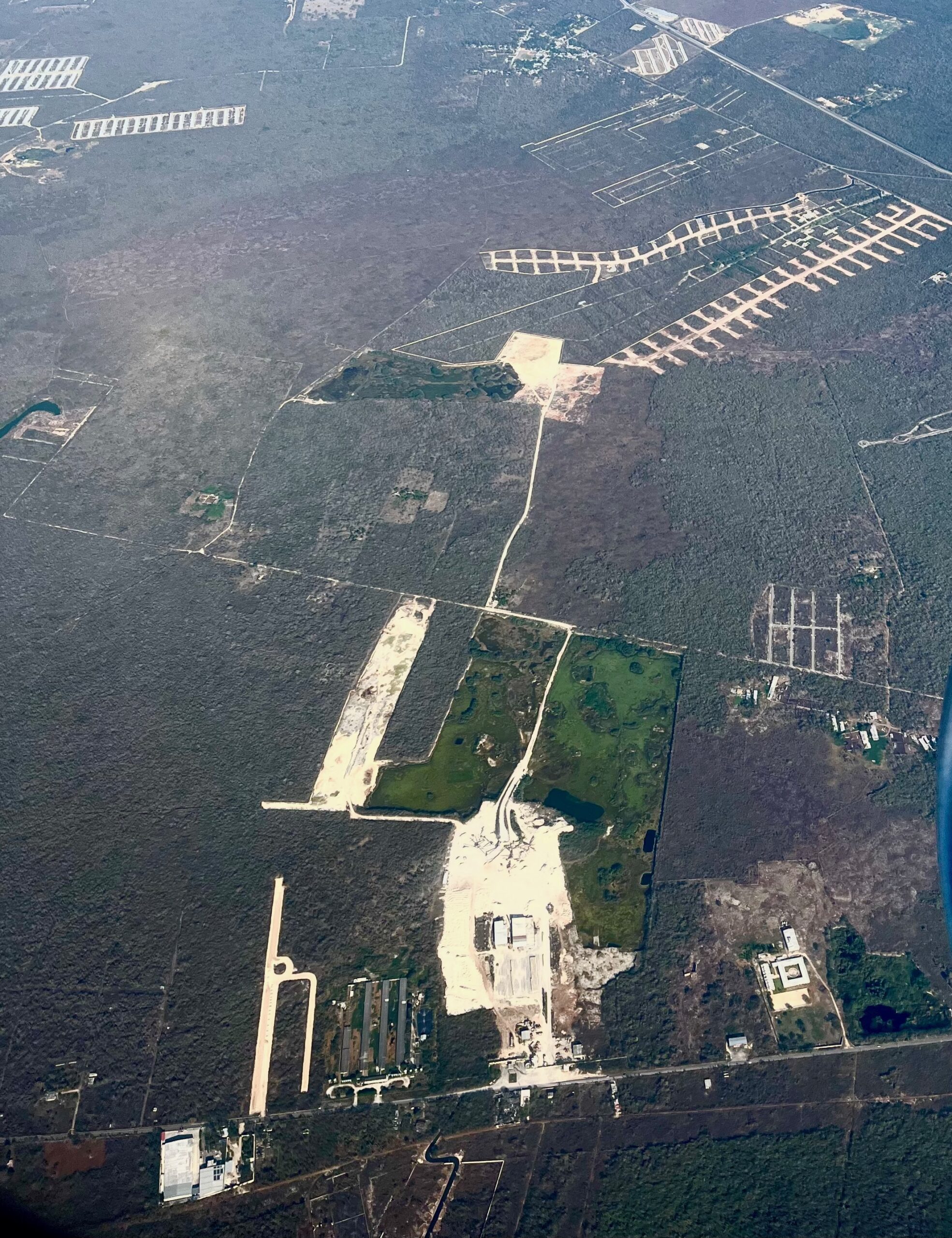 Sughra Raza. Aerial composition, March, 2025.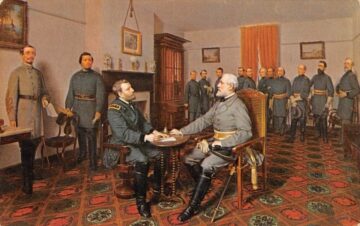



 Why do we fight? That question has been asked by so many in the history of mankind: philosophers, psychologists, anthropologists, historians, sociologists, political theorists have come up over and over again with explanations as to why humans fight.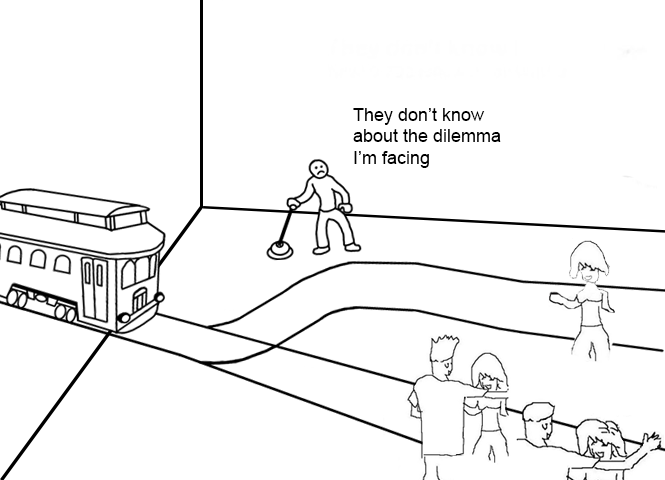

 “In bardo again,” I text a friend, meaning I’m at the Dallas airport, en route to JFK. I can’t remember now who came up with it first, but it fits. Neither of us are even Buddhist, yet we are Buddhist-adjacent, that in-between place. Though purgatories are not just in-between places, but also places in themselves.
 Do corporations have free will? Do they have legal and moral responsibility for their actions?