
by Thomas Fernandes
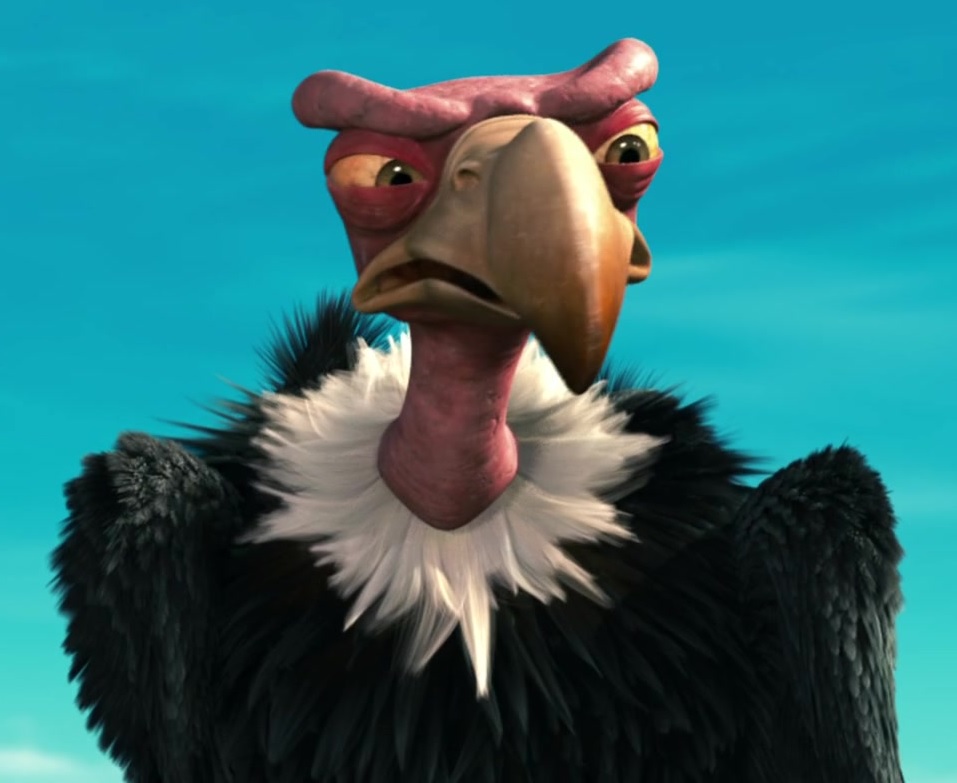
In the natural world, predation may mark the end of life, but it doesn’t signal the end of ecological interactions. The hunt, with all its challenges and shifting interactions, is not an end in itself, it only creates the opportunity to feed. O nce the kill is made, two main strategies emerge: feeding quickly and leaving, or holding on to the remains for a few days to draw multiple meals from them. The carcass, meanwhile, becomes a contested prize, attracting stronger competitors seeking a free meal, blurring the line between hunter and scavenger. Solitary cheetahs, for instance, lose nearly half their kills to lions and hyenas. After this struggle, as time and heat accelerate decomposition, the remaining flesh soon turns inedible to most animals. From that inedibility emerges an opportunity for species able to thrive on what others must abandon. Scavenging, in this sense, occupies a shifting niche, rich in energy but scarce and unpredictable, a prize that few species can afford to rely on.
Among vertebrates, vultures stand alone as obligate scavengers, living almost entirely on the flesh of the dead. This diet exposes them to hazards that most animals evolved to avoid through evolutionary adaptations: pathogens, toxins, and chemical byproducts from decaying tissue. Humans, too, evolved pathogen avoidance, a behavioral response that manifests as disgust toward bodily fluids, rotting meat, or anything in contact with them. By association with the unclean, vultures are generally portrayed as vicious and malevolent, or simply ignored, despite their endangered state: 11 of the 16 species of African and Eurasian vultures are classified as Critically Endangered or Endangered, according to the IUCN Red List. Observing vultures challenges both our innate disgust response and our understanding of how scavengers adapt to extreme diets.
When we think of vultures, we imagine a single bird, when in fact they encompass a surprising diversity. There are two distinct vulture lineages that diverged 69 million years ago: New World vultures in the Americas and Old-World vultures in Africa, Europe, and Asia. The Old-World vultures tend to eat larger carcasses, including large ungulates such as hippopotami, horses, and buffalo. New World vultures, in contrast, feed on smaller prey, such as monkeys, rodents, and birds. Read more »
 Sughra Raza. First Snow. Dec 14, 2025.
 One Monday in 1883 Southeast Asia woke to “the firing of heavy guns” heard from Batavia to Alice Springs to Singapore, and maybe as far as Mauritius, near Africa.












 Like many other video gamers (nearly eight million, in fact), I have spent no small portion of recent weeks in the robot-infested, post-diluvian wastes of late-22nd-Century Italy, looting remnants of a collapsed civilization while hoping that a fellow gamer won’t sneak up and murder me for the scraps in my pockets. This has been much more fun than the preceding description might lead you to believe, if you are not a fan of such grim fantasy playgrounds. It has also, interestingly, afforded rather heart-warming displays of the better side of human nature, despite the occasional predatory ambush or perfidious betrayal. It helps somewhat that nobody really dies in this game; they just get “downed” and then “knocked out” if not revived in time, leaving behind whatever gear they were carrying (except for what they were able to hide in their “safe pocket”, the technical and anatomical details of which are left to the player’s imagination).
 Chiharu Shiota. Infinite Memory, 2025.