by Derek Neal
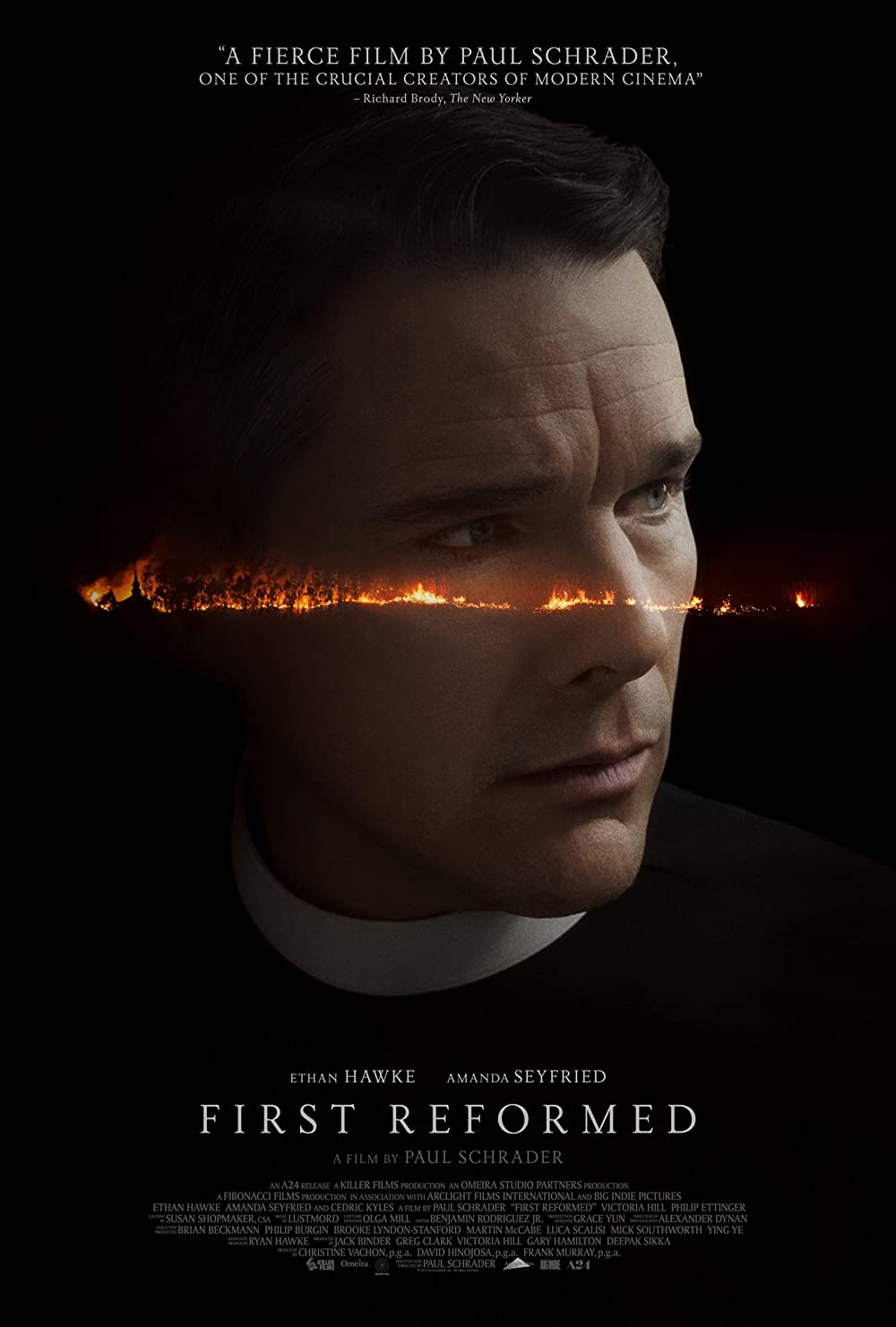 There is a scene near the end of First Reformed, the 2017 film directed by Paul Schrader, where the pastor of a successful megachurch says to the pastor of a small, sparsely attended church:
You’re always in the Garden. Jesus wasn’t always in the Garden, on his knees, sweating drops of blood. No, he was on the Mount, in the temple, in the marketplace. But you’re always in the Garden. For you every hour is the darkest hour.
The small-town pastor, played by Ethan Hawke, is in a state of constant suffering and isolation. His son, who he pushed to enlist in the army, has been killed in combat; his wife has left him; his home contains no furniture or decoration; he drinks heavily and writes in a journal; he rejects all those who try to help him; he is dying from cancer. Despite all this, he is a good pastor and cares deeply about the people he serves.
In another recent Paul Schrader film, The Card Counter (2021), the titular character played by Oscar Isaac is another man who is “always in the Garden.” He, too, drinks heavily and keeps a journal; he drives from city to city by himself, playing blackjack at various casinos before moving on to avoid attracting unwanted attention; he stays in budget motels and covers the furniture with sheets; he has no friends and no fixed home. Read more »
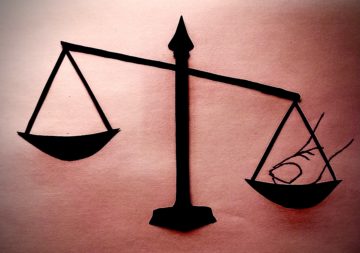


 Maria Berrio. From the series “In A Time of Drought”.
 The Lede
 1.
1.

 “D — — , I presume, is not altogether a fool, and, if not, must have anticipated these waylayings, as a matter of course.”
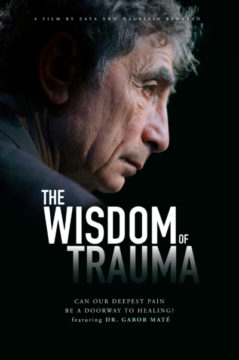 He received the Order of Canada, profoundly helped many people with addiction on the streets of Vancouver, and is much loved and admired, but some of Dr. Gabor Maté’s claims feel like they don’t hold water. And some claims might actually be dangerous if blindly accepted.