
by Rafaël Newman
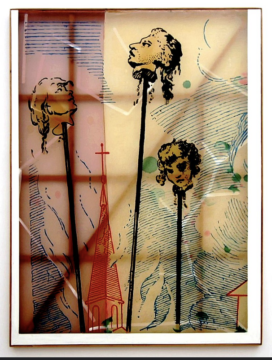
There was an old man who so loved his son,
His day was only properly begun
Once he had hugged his darling to his breast
And kissed his tender cheek. Nor could he rest
At night until the boy was put to bed;
And still he’d stand by him, and stroke his head.
Or let’s just say: he liked him well enough,
Could bear his cries, and was not over-rough
When scolding him, begrudged him not his meat,
And saw that he had leather on his feet.
No, it was worse: in truth, he hated him,
Became a father on a drunken whim
And now was bound by duty, not by joy,
To spend his dotage tending to the boy.
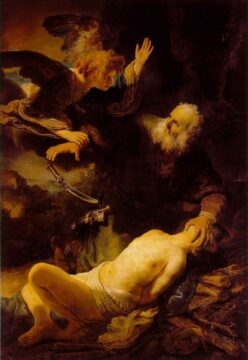
The point is—love, or loathe, or suffer him,
That man prepared to carve him limb from limb
In answer to the urging of a voice
Within his head, which offered him a choice:
Prove your compliance with a sacrifice,
Or be excluded from my paradise.
It didn’t come to that, of course. The child
Was spared—not by his father, who was wild
To do the will of his delirium,
But by the very same mysterium
That had decreed the awful liturgy,
Which very act proved it a deity:
Inscrutable, contrarian, perverse—
A fitting ruler of the universe. Read more »

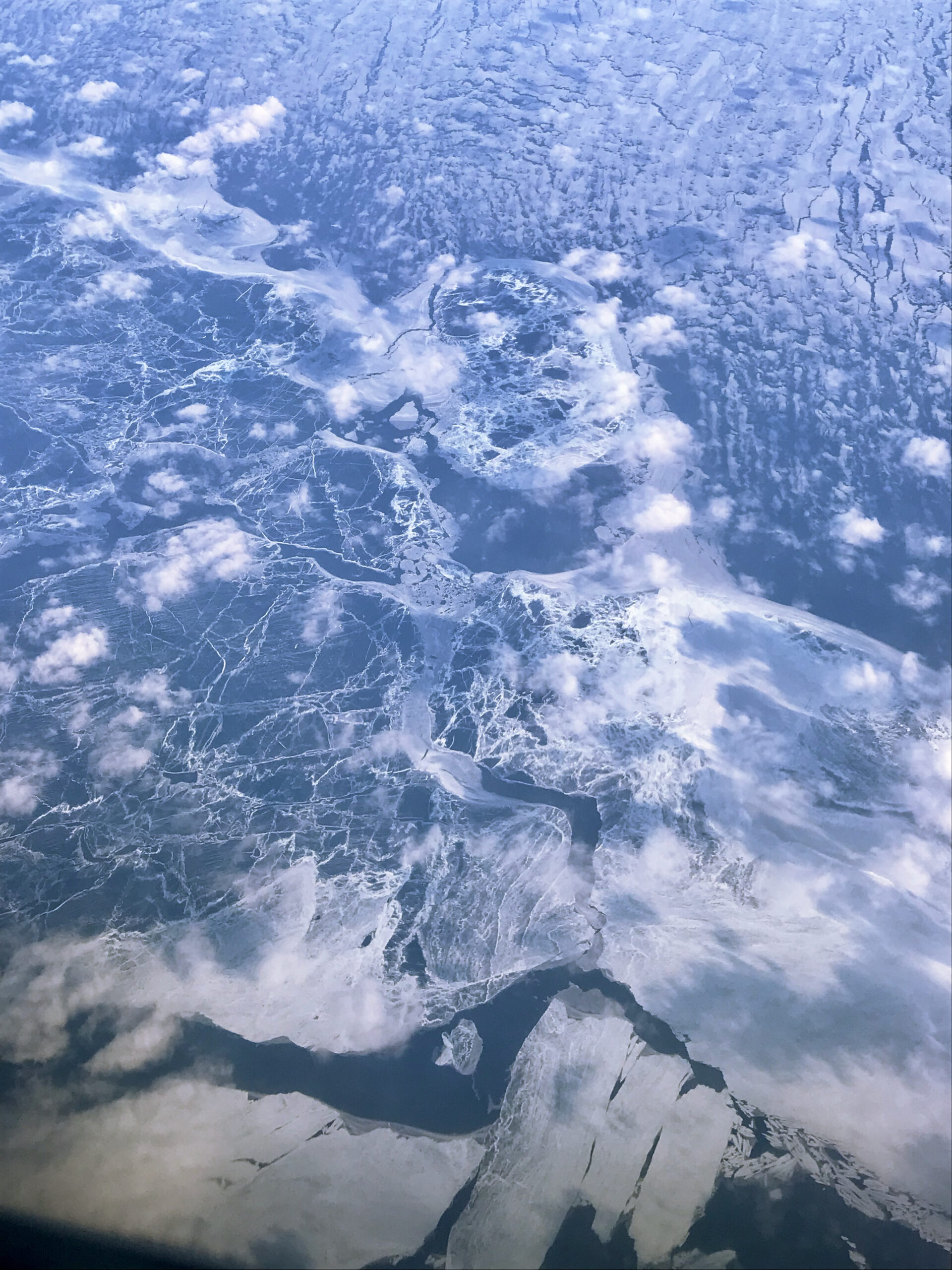 Sughra Raza. Breaking Point.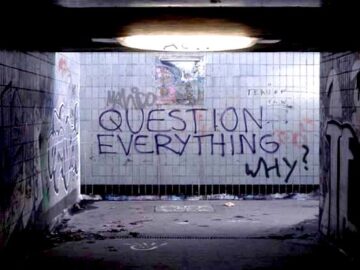
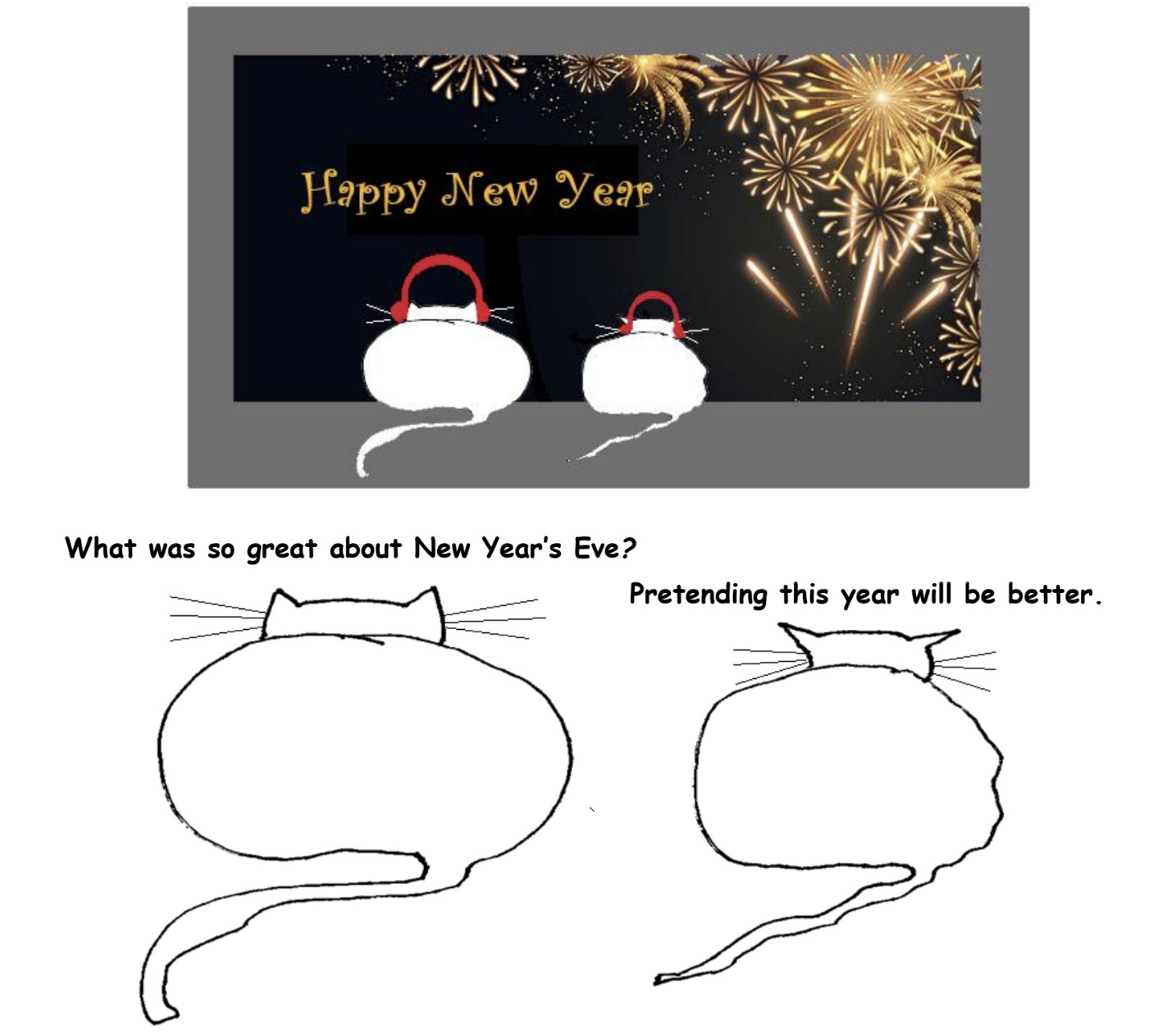

 Two weeks after my wife died this past October, she briefly returned. Or so it seemed to me.
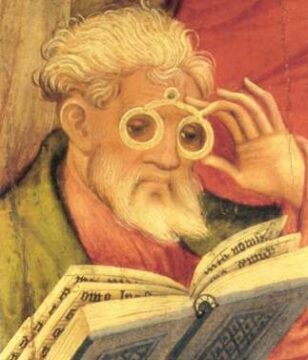 I’m haunted by the enormity of all of that which I’ll never read. This need not be a fear related to those things that nobody can ever read, the missing works of Aeschylus and Euripides, the lost poems of Homer; or, those works that were to have been written but which the author neglected to pen, such as Milton’s Arthurian epic. Nor am I even really referring to those titles which I’m expected to have read, but which I doubt I’ll ever get around to flipping through (In Search of Lost Time, Anna Karenina, etc.), and to which my lack of guilt induces more guilt than it does the real thing. No, my anxiety is born from the physical, material, fleshy, thingness of the actual books on my shelves, and my night-stand, and stacked up on the floor of my car’s backseat or wedged next to Trader Joe’s bags and empty pop bottles in my trunk. Like any irredeemable bibliophile, my house is filled with more books than I could ever credibly hope to read before I die (even assuming a relatively long life, which I’m not).
 It might strike you as odd, if not thoroughly antiquarian, to reach back to Aristotle to understand gastronomic pleasure. Haven’t we made progress on the nature of pleasure over the past 2500 years? Well, yes and no. The philosophical debate about the nature of pleasure, with its characteristic ambiguities and uncertainties, persists often along lines developed by the ancients. But we now have robust neurophysiological data about pleasure, which thus far has increased the number of hypotheses without settling the question of what exactly pleasure is.
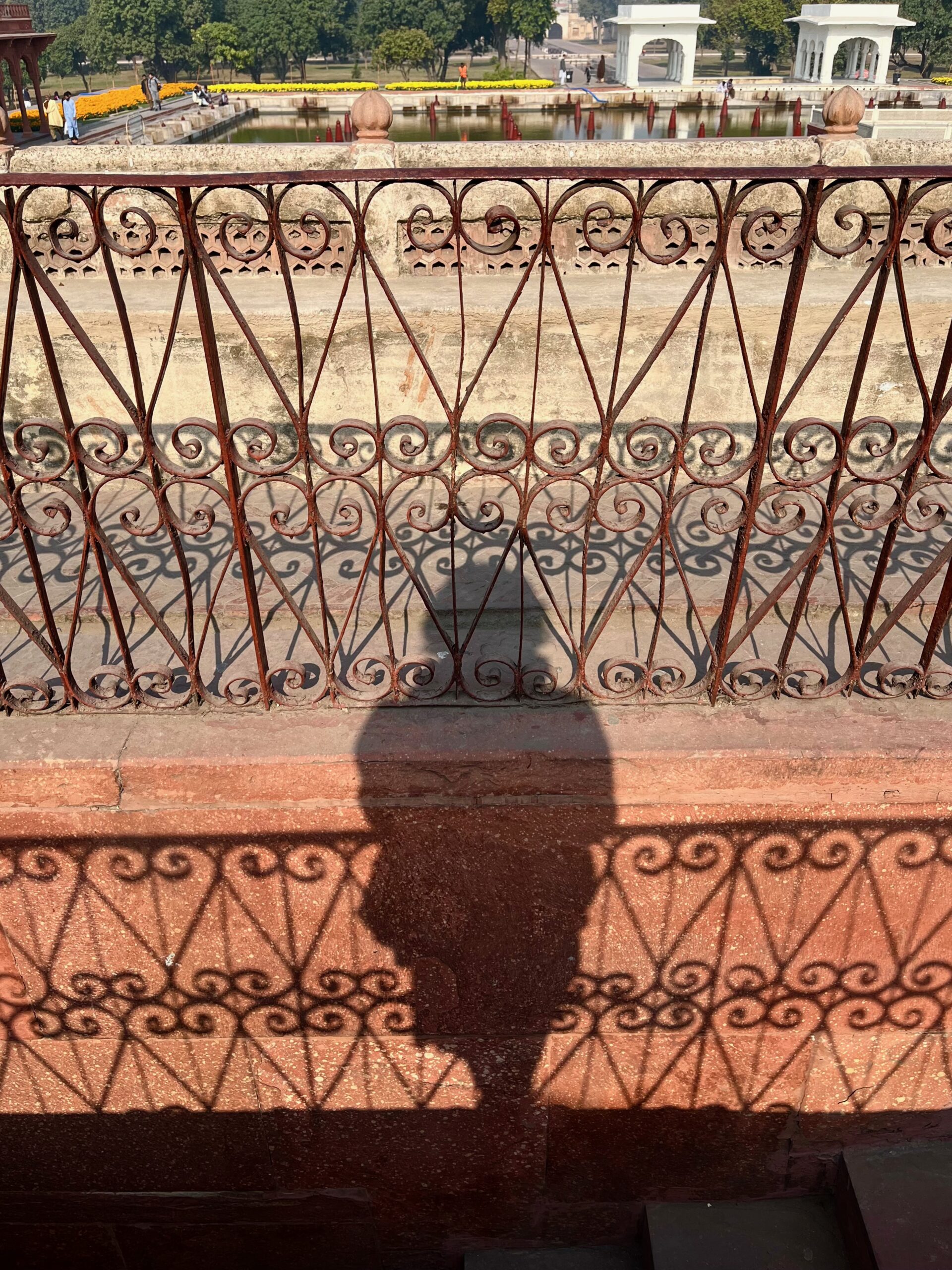 Sughra Raza. Self Portrait in Praise of Shadows. Shalimar Bagh, Lahore, December 10, 2023.
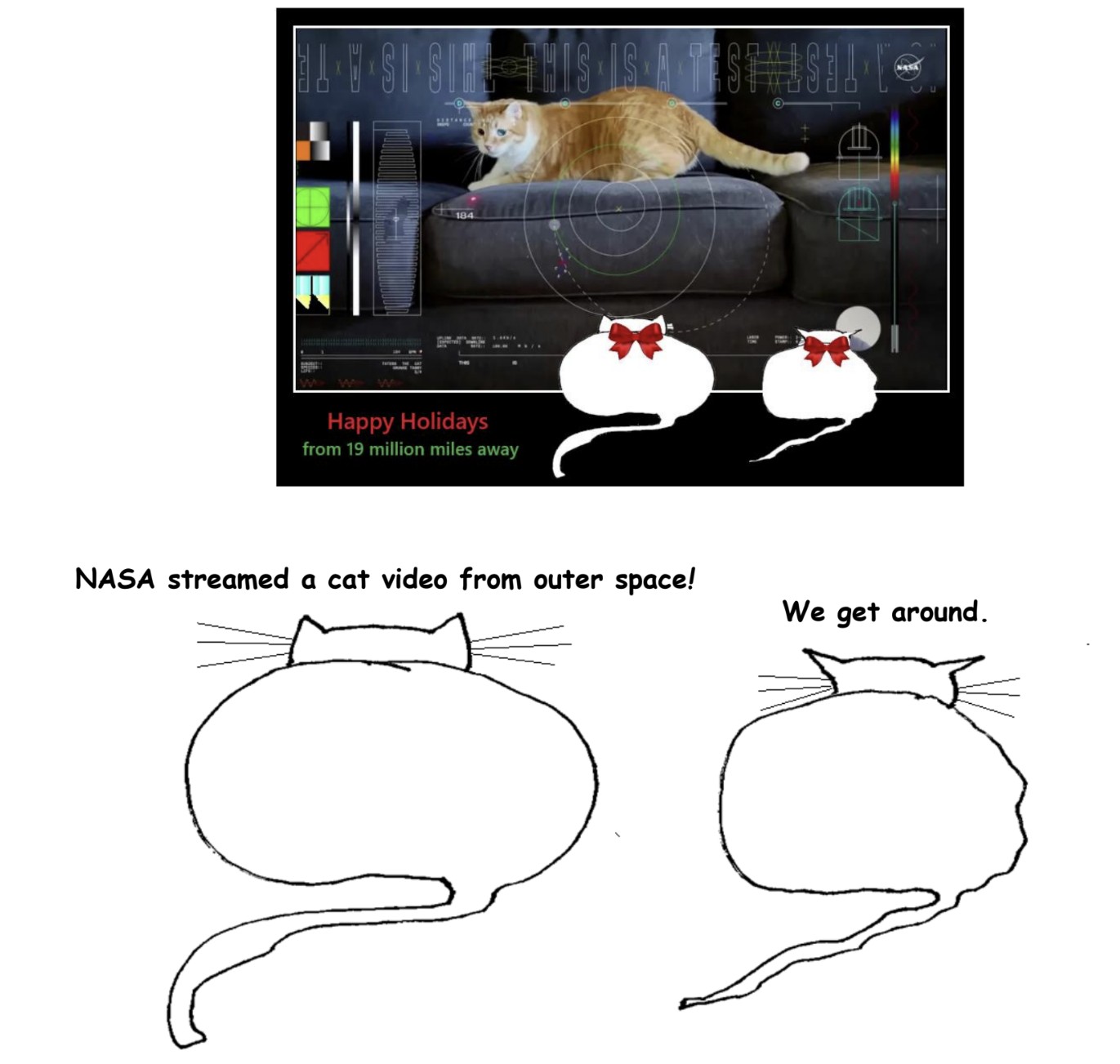
 Andrew Torba, Christian Nationalist founder of the rightwing social media site Gab, recently argued on his podcast that the fact that many of the most beloved Christmas songs were written by Jewish composers was part of a conspiracy to take Christ out of Christmas: to secularize one of the holiest Christian holidays and allow Jews to subtly infiltrate Christian-American culture with their own agenda. He might just be right.