
by Mark Harvey

On September 1, 2004, a middle-aged Russian journalist named Anna Politkovskaya boarded a plane in Moscow on her way to Ossetia to cover a hostage crisis in the town of Beslan. During the flight, she drank a cup of tea that almost killed her. After she drank the tea, she became disoriented, began to vomit, and ultimately lost consciousness. She was taken to a hospital in Rostov-on-Don, where doctors concluded she had been poisoned.
Politkovskaya had been reporting on the human rights abuses in Russia and Chechnya for some time and was a harsh critic of Vladimir Putin. In one of her books she had written, “If you live in Russia, you cannot help but notice that Putin’s Russia is a world of violence, lies, and injustice.”
Throughout her career, Politkovskaya received death threats and was heavily surveilled by the Russian government. But the intimidation didn’t stop her, and she wrote hundreds of articles for the independent newspaper Novaya Gazeta and several books highly critical of Putin. In her 2004 book, Putin’s Russia, she bravely wrote about the corruption, human rights abuses, and oligarchy in Russia with an unflinching style.
In short, she was a daring, hardworking investigative journalist who risked her life to write about the cruel and criminal aspects of Russia. She was assassinated in the elevator of her apartment building on October 7, 2006—Vladimir Putin’s birthday. Read more »
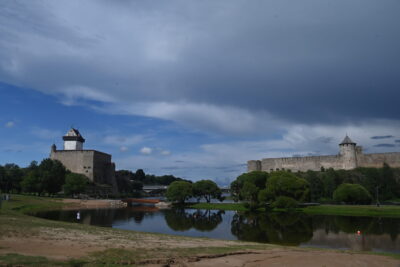 It’s raining in Russia. Thunderheads boil up in the afternoon heat over there, behind the limestone block fortress on the other side of the river. Which is not a wide river. You can shout across it.
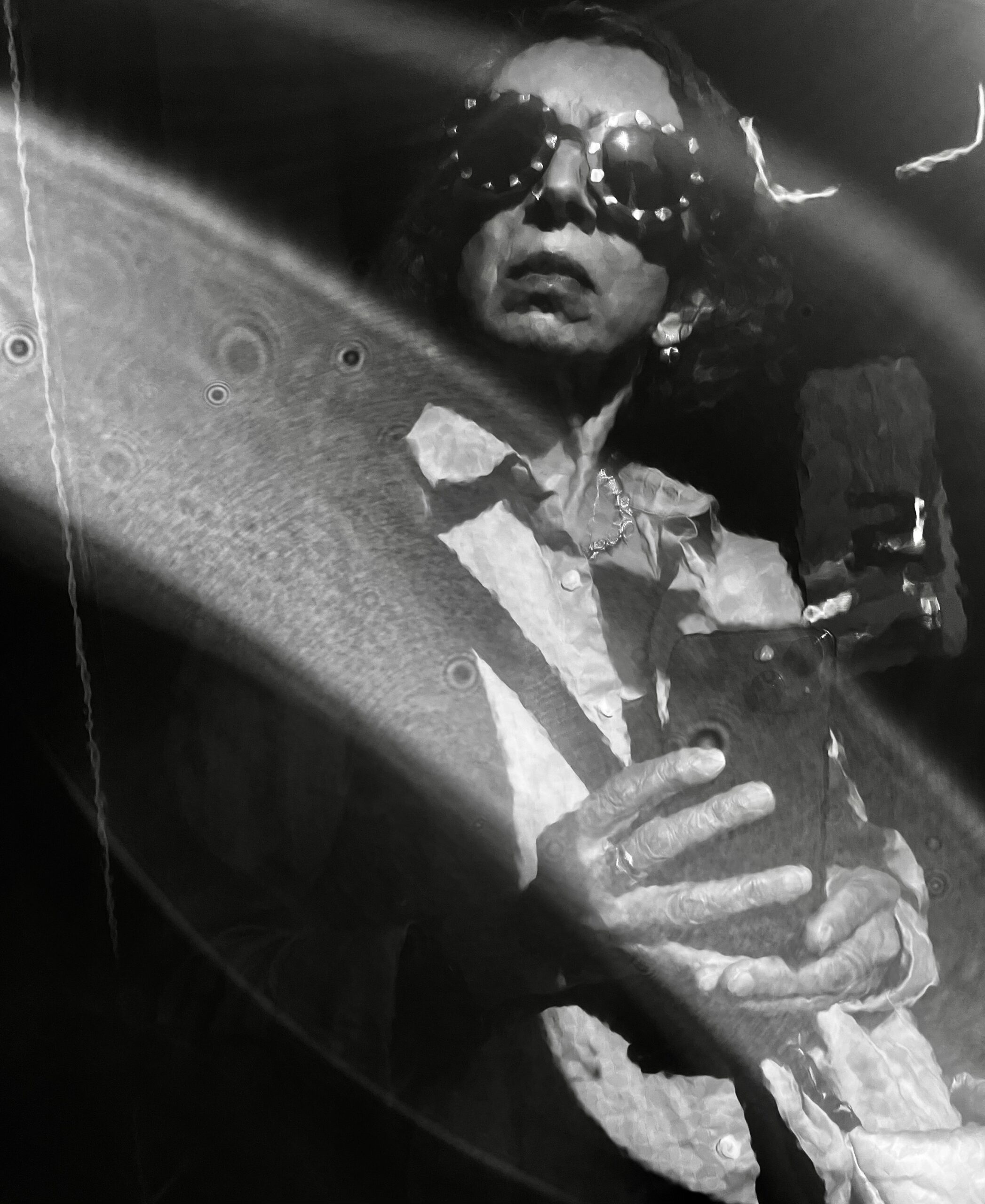 Sughra Raza. On the Train to Franzensfeste. September, 2024.
 Even if you are sympathetic to Marx — even if, at any rate, you see him not as an ogre but as an original thinker worth taking seriously — you might be forgiven for feeling that the sign at the East entrance to Highgate Cemetery reflects an excessively narrow view of the political options facing us.





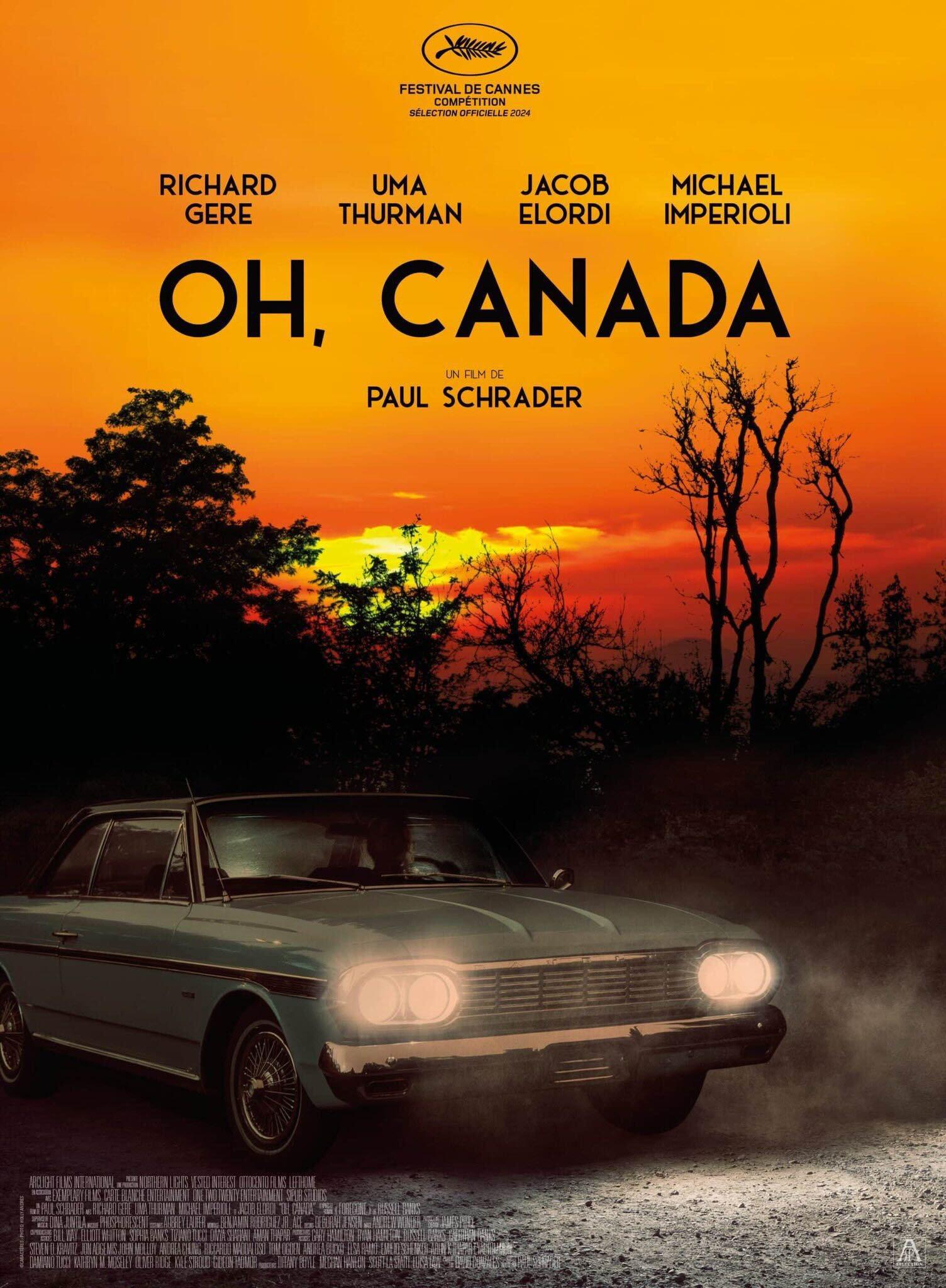 I was in Toronto the other day to see Paul Schrader’s newest film, Oh, Canada, which was screening at the Toronto International Film Festival (TIFF). This was my first time seeing a movie at a festival, and the experience was quite different from seeing a movie at a cinema: we had to line up in advance, the location was not a cinema but a theatre (in this case, the Princess of Wales Theater, a beautiful venue with orchestra seating, a balcony, and plush red carpeting), and there was a buzz in the air, as everyone in attendance had made a special effort to see a movie they wouldn’t be able to see elsewhere. As I stood in line with the other ticket holders, I noticed that there was a clear difference between the type of person in my line, for those with advance tickets, and the rush line, for those without tickets and who would be allowed in only in the case of no shows: in my line, the attendees were older, often in couples, and had the air of Money and Culture about them; in the rush line, the hopeful attendees were younger, often male, and solitary. In other words, those in the rush line, the ones who couldn’t get their shit together to buy a ticket in time, could have been typical Schrader protagonists: a man in a room, trying, yet frequently failing, to live a meaningful life, to keep it together, to be the type of person who buys a ticket in advance, and invites his wife, too. Yet there I was, in the advance ticket line: a man, relatively young, and someone who spends a good deal of time by himself. I’d invited my partner of 10 years, but she didn’t come because she doesn’t like Paul Schrader films, and who can blame her? They’re not for everyone. Perhaps my presence in the advance ticket line, but my understanding of and identification with those in the other line, helps explain my deep attraction to Schrader’s films: I know his characters, and in the right circumstances, I could become one of his characters.