
by Mark Harvey
Scarcity of water brings out the evil propensities in men quicker than anything else. —Greeley Tribune, July 1, 1874

The summer of 1874 was a particularly dry year in Colorado, and the drought led to a water war between the fledgling towns of Fort Collins and Greeley. In the previous years, Greeley farmers had built extensive irrigation canals off the Poudre River to irrigate crops and had enjoyed abundant water from spring snowmelt.
Fort Collins, still just a small colony, saw the success of its downstream neighbors and decided to build their own irrigation canals off the Poudre as well. So in the summer of 1874, when the farmers near Fort Collins began heavy draws on the Poudre, the downstream Greeley farmers watched their crops begin to wither and die. They wouldn’t take it lying down.
As the summer advanced and the streams were reduced, the Greeley farmers became desperate for water. They sent men upstream to explore the Fort Collins ditches and concluded that their neighbors were wasting precious water and outright stealing what belonged to them. After some legal threats, the parties agreed to meet at a schoolhouse in the town of Eaton, halfway between Greeley and Fort Collins. They hoped to find a way forward in a situation where there just wasn’t enough water for the ambitions of the two towns.
Despite lengthy discussions, legal arguments about prior appropriation, and threats, in the words of water historian George Sibley, “the only successful outcome was that no one was shot.”
Meanwhile, in the same summer of 1874, further south in the Arkansas River Valley near what is today the town of Salida, a war broke out between two ranchers fighting over an irrigation ditch. George Harrington and Elijah Gibbs, both ranchers, had been arguing over ditch rights near Gas Creek for several weeks when their arguments turned to violence. On the morning of June 17, 1874, Harrington noticed that one of his outbuildings was set ablaze. He and his wife hurried to put the fire out, and when he left his house, he was shot in the back and killed immediately. Read more »
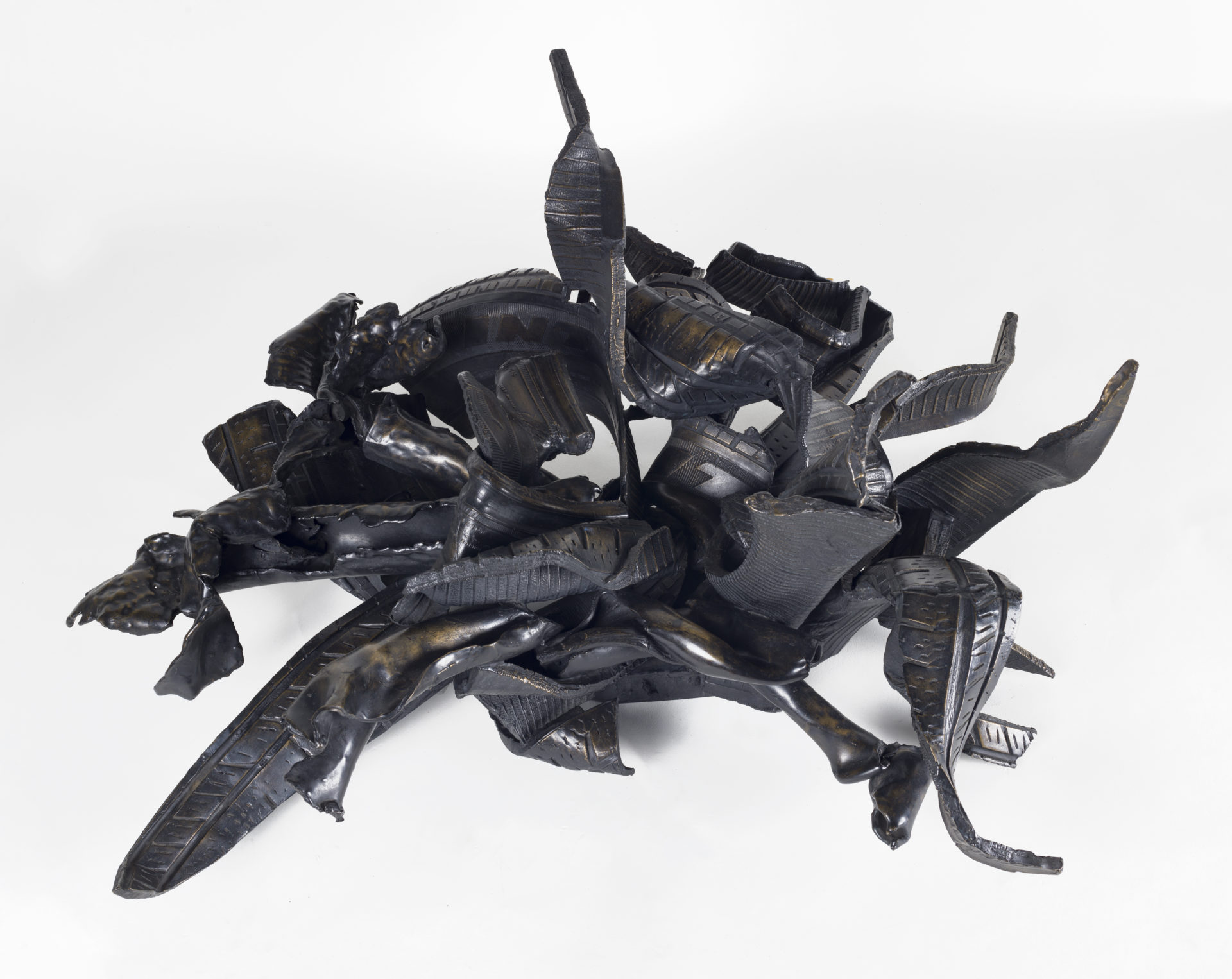 Chakaia Booker. Romantic Repulsive, 2019.
 I will use this column to defend myself against the accusation, first made by my surgical assistant Mr. Alan Turing, that I was negligent in the death of an individual under my medical care. Or, as one armchair prosecutor has said, that I am “a stereotypically British sentimentalist who thinks dogs are more human than people.”
 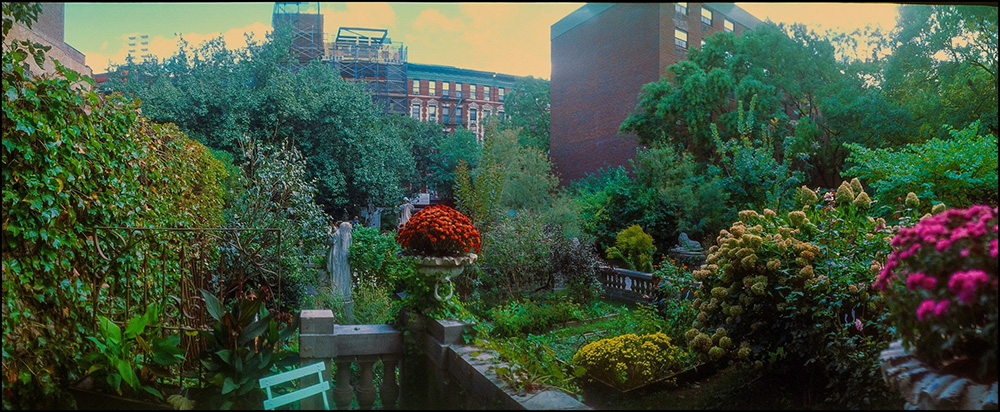 There is a beautiful garden in a quiet tree-lined street in Manhattan’s Little Italy. There are rows of flower, lush, abundant and slightly wild, a stone balcony you can imagine Romeo climbing up to, stone balustrades, several lions, one with climbing vines adorning his face, a sphynx, various other statues, a copy of a Hermes medallion from the late antiquity, a fig tree and a hydrangea tree, giant shady pear trees, and many small hidden paths that lead to gazebos and intimate garden spaces. People in the garden sit and while the time or read by a little table. In a very small space, Elizabeth Street Garden has been able to replicate the richness of life, spaciousness of spirit, the magnanimity and dedication to beauty of the best Italian gardens. It is one of the truly great places in NYC. But after 12 years of struggle between the city and garden advocates, on June 18, 2024, the




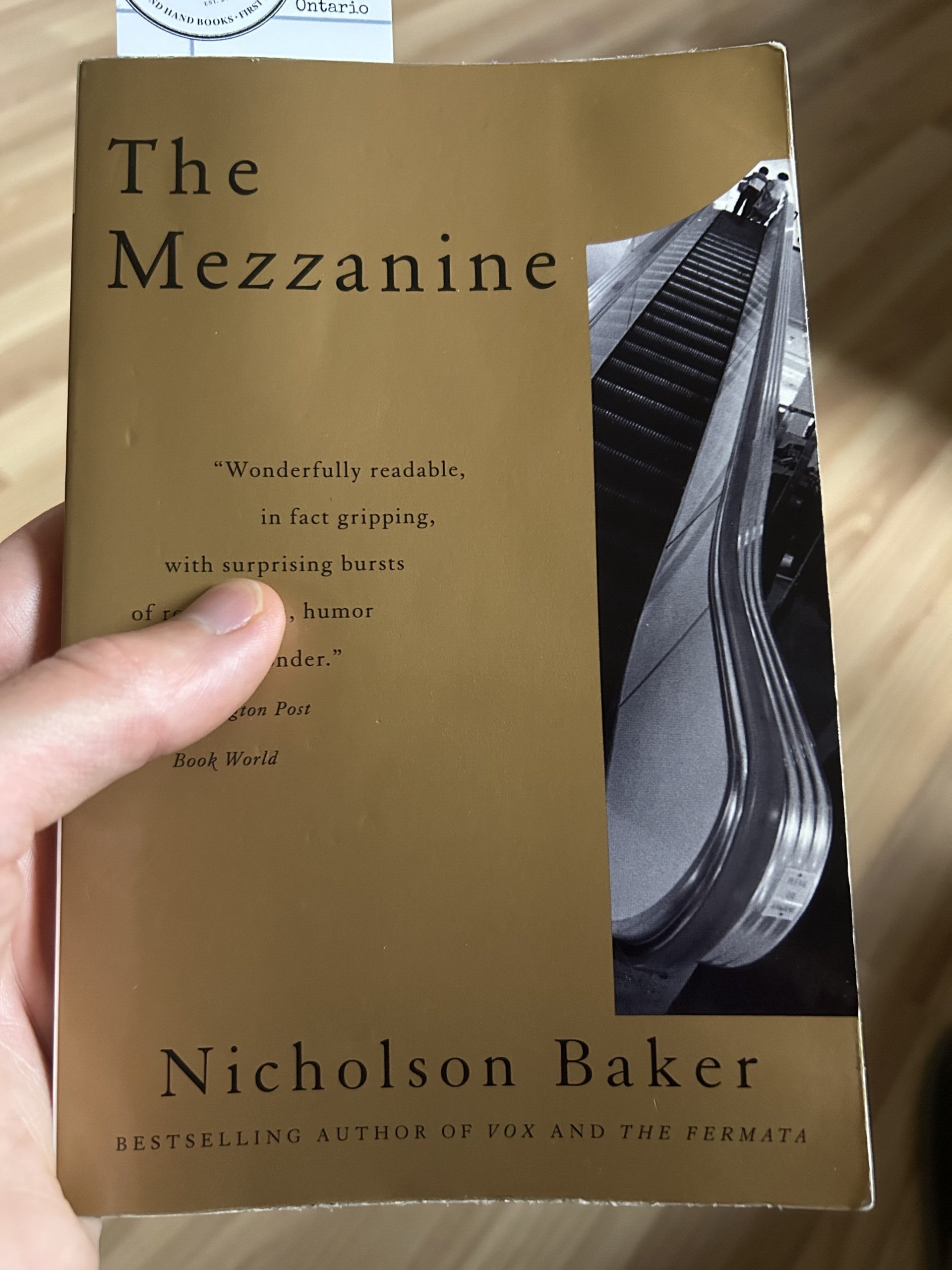 e Mezzanine by Nicholson Baker is a novel about paying attention. After you read a chapter, you, too, begin paying attention to things you’ve never noticed before.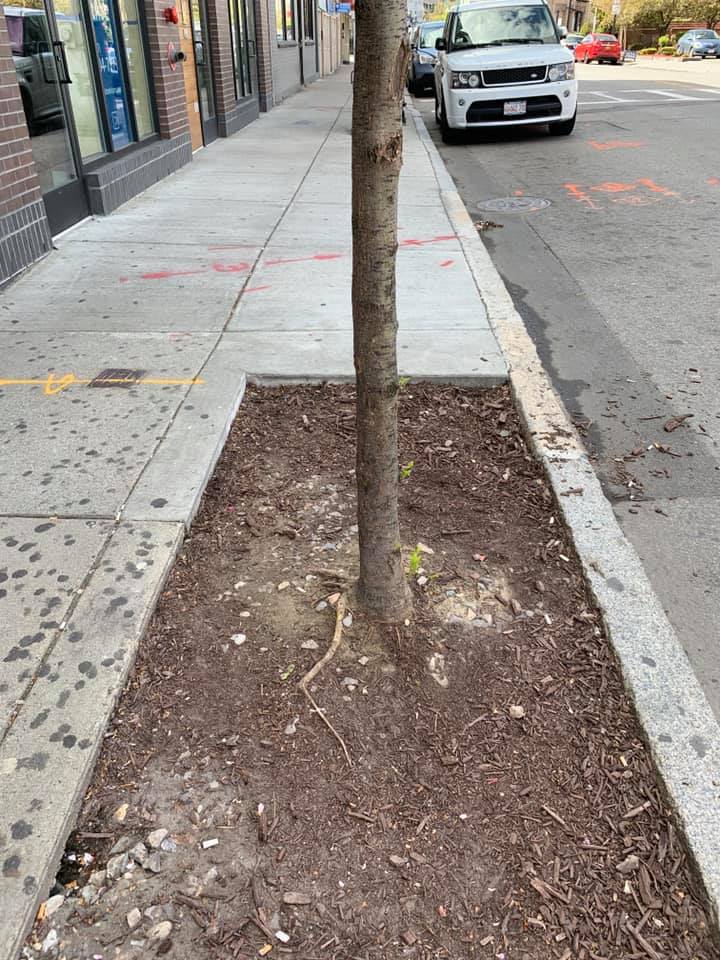
 Robert McDonnell was the Governor of Virginia in 2014 when the federal government indicted him and his wife on bribery charges. A Virginia businessman named Jonnie Williams provided the McDonnells with over $175,000 in “loans, gifts and other benefits.” In exchange, the Governor “arranged meetings, hosted events, and contacted other government officials” in an effort to advance the fortunes of Anatabloc, a nutritional supplement manufactured by Williams’ company.
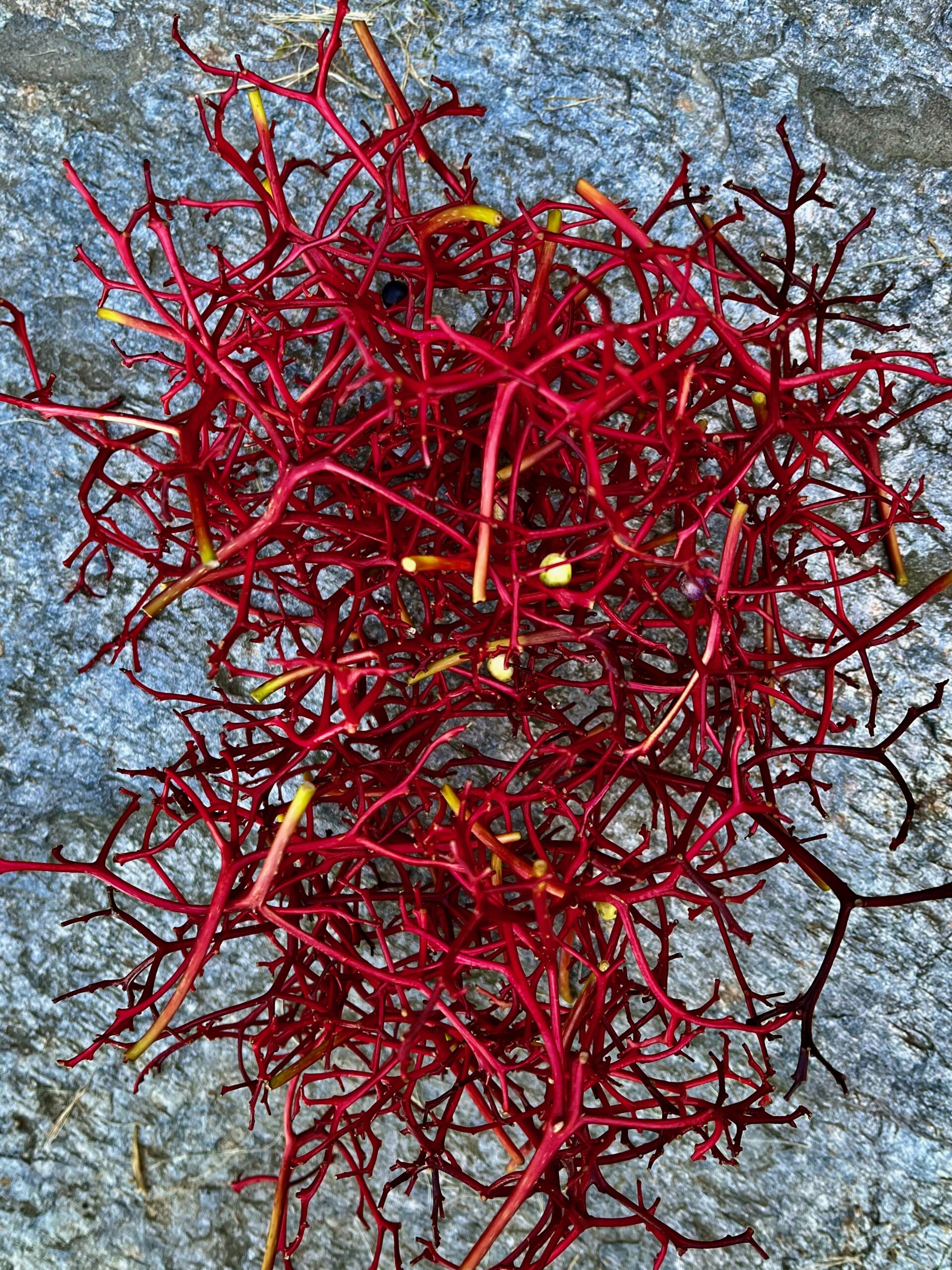 Sughra Raza. Remains of The Day. Oolloo House, Vermont, August 2024.
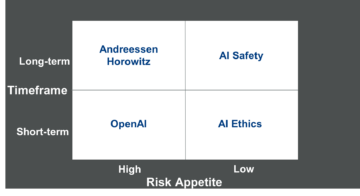 The battle lines are drawn. AI safety is fighting a battle on three fronts.