by R. Passov
 Sometimes, when you least expect to, you learn something about your country and the toll it has imposed on certain of its citizens. In ancient times these learnings weren’t so serendipitous. During WWII, for example, you would have known folks on your block who served and came back. And some who didn’t come back.
Even in that near-ancient time of the Vietnam War, likely you would have known folks in both classes. That war, or at least the US involvement, officially lasted about eight years. Over three hundred thousand US service personnel were injured and approximately 50,000 US lives were lost (and countless others.)
The Iraq war also lasted, by some measure, eight years – 2003 to 2011. Over that stretch, about 4,500 US service members made the ultimate sacrifice. Another 45,000 were wounded. (These figures are purposely misleading as they omit approximately the same number of deaths and injuries suffered by ‘contractors.’ I’ll leave this bit of Orwellian misdirection to another day.)
The US involvement in Afghanistan lasted about twenty years. Approximately 2,500 service members gave their lives while ten times that number were injured.
Judging by the ratio of wounded to dead, one was more likely to survive in Afghanistan than in Vietnam, and even more likely than in WWII. This is understandable; we’ve had over fifty years to improve our medical capabilities. But one consequence of advances in medical technology is the violence in war, when measured in such a narrow way, seems less so.
*
“They divorced when I was six,” our Uber drive offered.
“We were so poor,” he said, “we had chickens because they could feed themselves; what you’d call free range now.” This tinge of snark caused me to look afresh at a big man in a little car, taking us to the airport near Charleston.
“Well we had them for the eggs. And every once in a while we had to eat one. When you’re that poor you figure things out, like how to cook.”
He knew he was a sight and knew, in one way or another, we were going to delve. Like a good Uber driver, he was ready to share his origin story. Read more »

 Drug overdose deaths have more than doubled in America in the past 10 years, mainly due to the appearance of Fentanyl and other synthetic opioids. These drugs combine incredible ease of manufacture with potency in tiny amounts and dangerousness (the tiniest miscalculation in dosage makes them deadly).


 Death has stalked me of late, claiming those whom I was once close to, or who remained closest to those who are closest to me.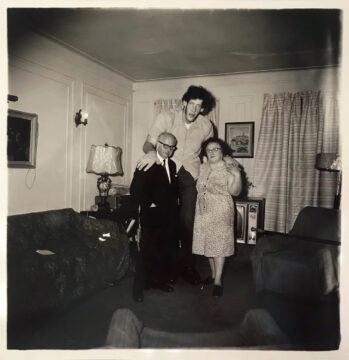



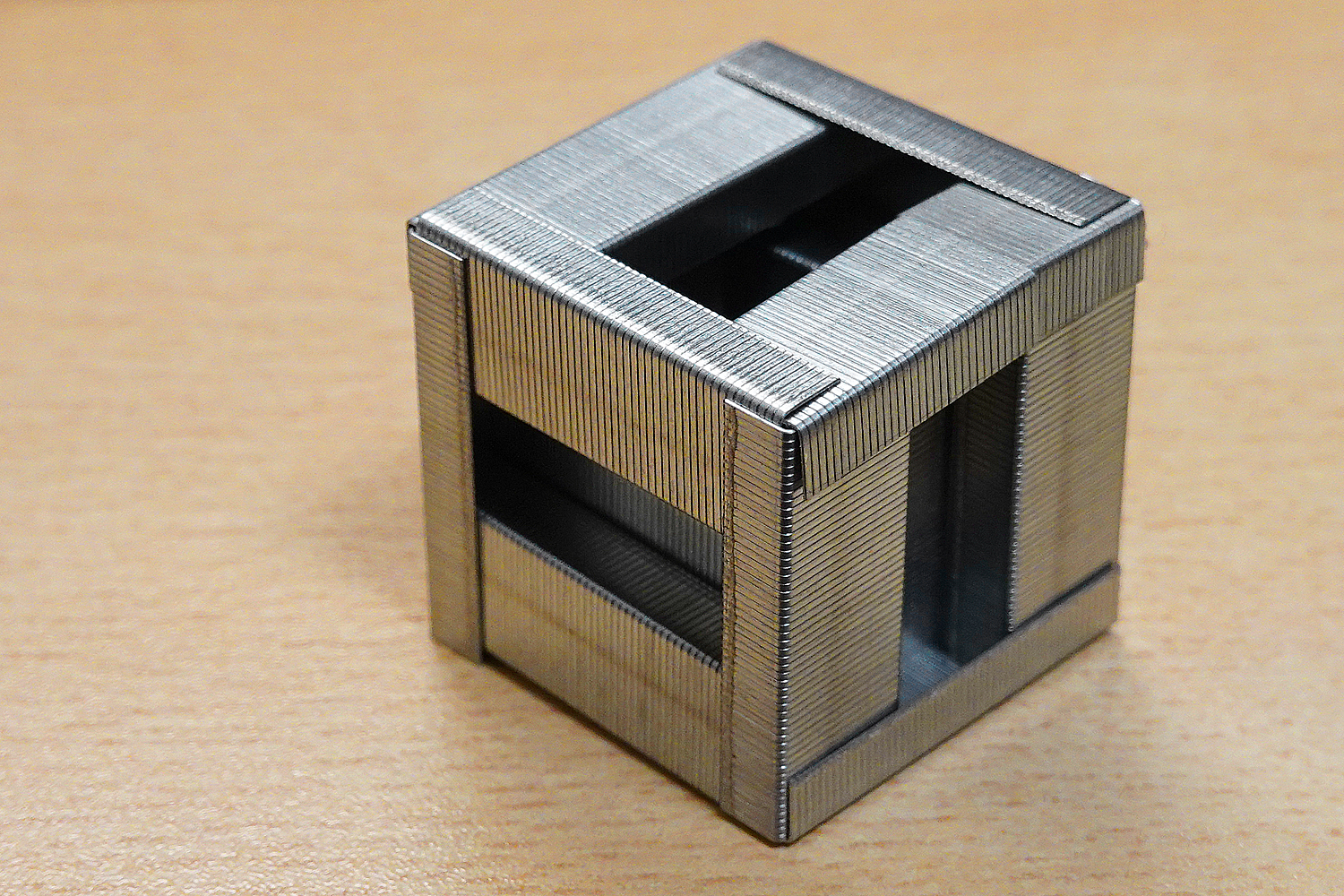

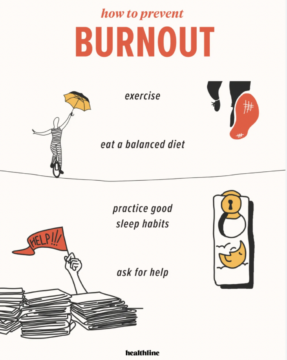 I started reading about burnout when I walked away from teaching earlier than expected. Suddenly, I couldn’t bring myself to open that door after over thirty years of bounding to work. A series of events wiped away any sense of agency, fairness, or shared values. Their wellness lunch-and-learns didn’t help me, and I soon discovered I’m not alone.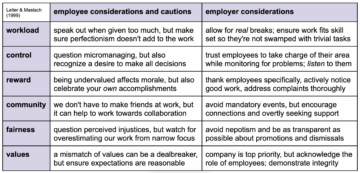
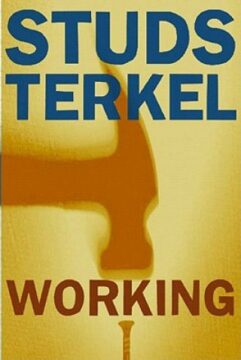 Eugene Russell, a piano tuner interviewed by
 Sughra Raza. Untitled. June, 2014.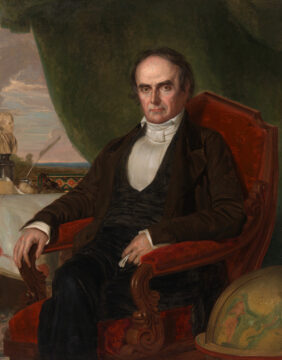

 In philosophical debates about the aesthetic potential of cuisine, one central topic has been the degree to which smell and taste give us rich and structured information about the nature of reality. Aesthetic appreciation involves reflection on the meaning and significance of an aesthetic object such as a painting or musical work. Part of that appreciation is the apprehension of the work’s form or structure—it is often the form of the object that we find beautiful or otherwise compelling. Although we get pleasure from consuming good food and drink, if smell and taste give us no structured representation of reality there is no form to apprehend or meaning to analyze, so the argument goes. The enjoyment of cuisine then would be akin to that of basking in the sun. It is pleasant to be sure but there is nothing to apprehend or analyze beyond an immediate sensation.