by David J. Lobina
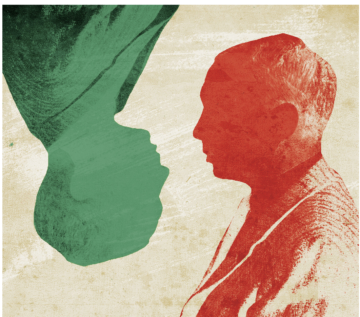
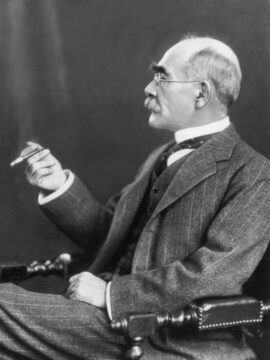
An apparently non-negotiable assumption of modern identity politics, though this was not always the case (see this regarding a certain non-philosopher), is that the individuation of personal characteristics is an intrinsic affair – that is, it is down to an individual to determine and state what they are, this often following from lived experience, and thereby constituting an exclusively internal matter. In a loose sense, this is unexceptional; it is common for one to simply assume the truth of what others say about themselves. After all, one doesn’t expect people to lie about where they are from, their background or what they believe in.
Granted that, the individuation of some personal characteristics does not appear to be entirely and absolutely an intrinsic matter: some identities seemingly depend upon the implicit (and sometimes explicit!) recognition of peers – an extrinsic and relational affair. In such cases, individuation would be partly determined by one’s environment, and thus not too dissimilar to what philosophers call “extensional conditions” (see here for an application to the debate around mental content). This specific point is not usually spelled out in discussions of personal identities, but it does turn up here and there. Something along these lines is implicitly assumed, uncontroversially so, I believe, to the individuation of national identities, the case I shall focus on here – and the argument is likely to generalise. Read more »


 Bill Gates has long been one of the world’s leading optimists, and his new documentary, “What’s Next,” serves as a testament to his hopeful vision of the future. But what makes Gates’s optimism particularly compelling is that it is grounded not in dewy-eyed hopes and prayers but in logic, data, and an unshakable belief in the power of science and technology. Over the years, Gates and his wife Melinda, through their foundation, have invested in a wide array of innovative technologies aimed at addressing some of the most pressing issues faced by humanity. Their work has had an especially transformative impact on underserved populations in regions like Africa, tackling fundamental challenges in healthcare, energy, and beyond. In this new, five-part Netflix series, Gates showcases his trademark pragmatism and curiosity as he engages with some of the most complex and important challenges of our time: artificial intelligence (AI), misinformation, inequality, climate change, and healthcare. His approach stands out especially for his willingness to have a dialogue with those with whom he might strongly disagree.
 I lived in Philadelphia in 1977 and would go to the Gallery mall on Market Street, a walking distance from our river front apartment. One day, around lunch, I decided to get Chinese food at the food court and looking for a place to sit, I asked two older ladies if I could sit at their table, since the place was packed. As I was picking through the food, separating the celery and water chestnuts, one of the old ladies said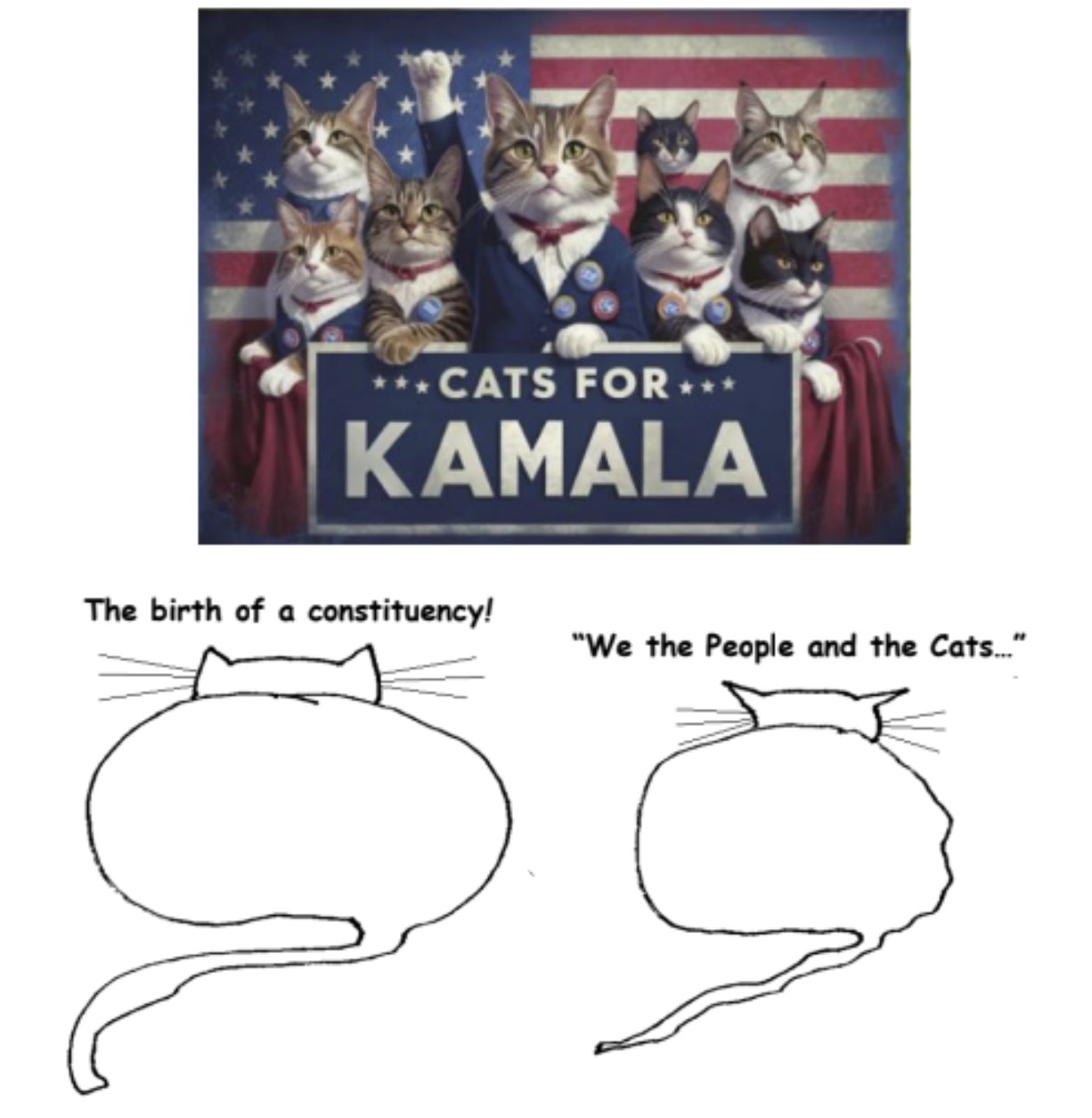
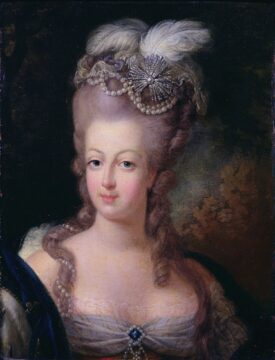
 Sughra Raza. Meadowstream Afternoon, Maine, 2001.
 By all accounts, Alexandre Lefebvre’s new book,
  Enjambment is often an invitation to surprise. The line following a deftly deployed line break can serve as an answer to a question; it can, when done well, have an oracular quality, the feeling of a koan. Take for example Cameron Barnett’s powerful poem “Emmett Till Haunts the Library in Money, MS” published in his 2017 collection The Drowning Boy’s Guide to Water. Written in the voice of Till, the fourteen-year-old Black child from Chicago lynched in Mississippi in 1955 whose murder drew attention to anti-Black violence in the United States, Barnett’s poem uses line breaks as a means to defer meaning between stanzas, and thus to generate a heightened sense of awareness. Taking as its conceit the otherworldly haunting of the Money, Mississippi library, a liminal, bardo-like space where Till’s consciousness is able to narrate even after death, the narrator’s individual thoughts are often divided across stanzas, a line break functioning as a type of psychic pause before the thought is completed. For example, in the final line of the first stanza in a three-stanza poem, Barnett writes “Mamie always preached,” completing that thought at the first line of the second stanza with “good posture, so I sit straight at least.”
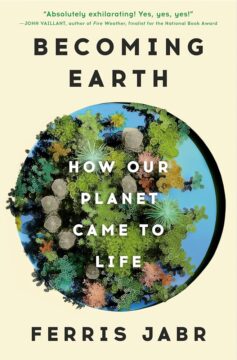 Books on nature abound. More recently, physicist Helen Czerski’s deep knowledge of the seas functioning as an ‘ocean engine’ in Blue Machine: How the Ocean Shapes the World, elevates our understanding of the ocean and provides us with a new appreciation of its integral role in the Earth’s ecosystem. Volcanologist Tamsin Mather ‘s Adventures in Volcanoland: What Volcanoes Tell Us About the World and Ourselves is also another beguiling journey into the awesome history of the ‘geological mammoths’ that are volcanoes and their dynamics, that have changed the surface of the Earth and impacted on its environment.
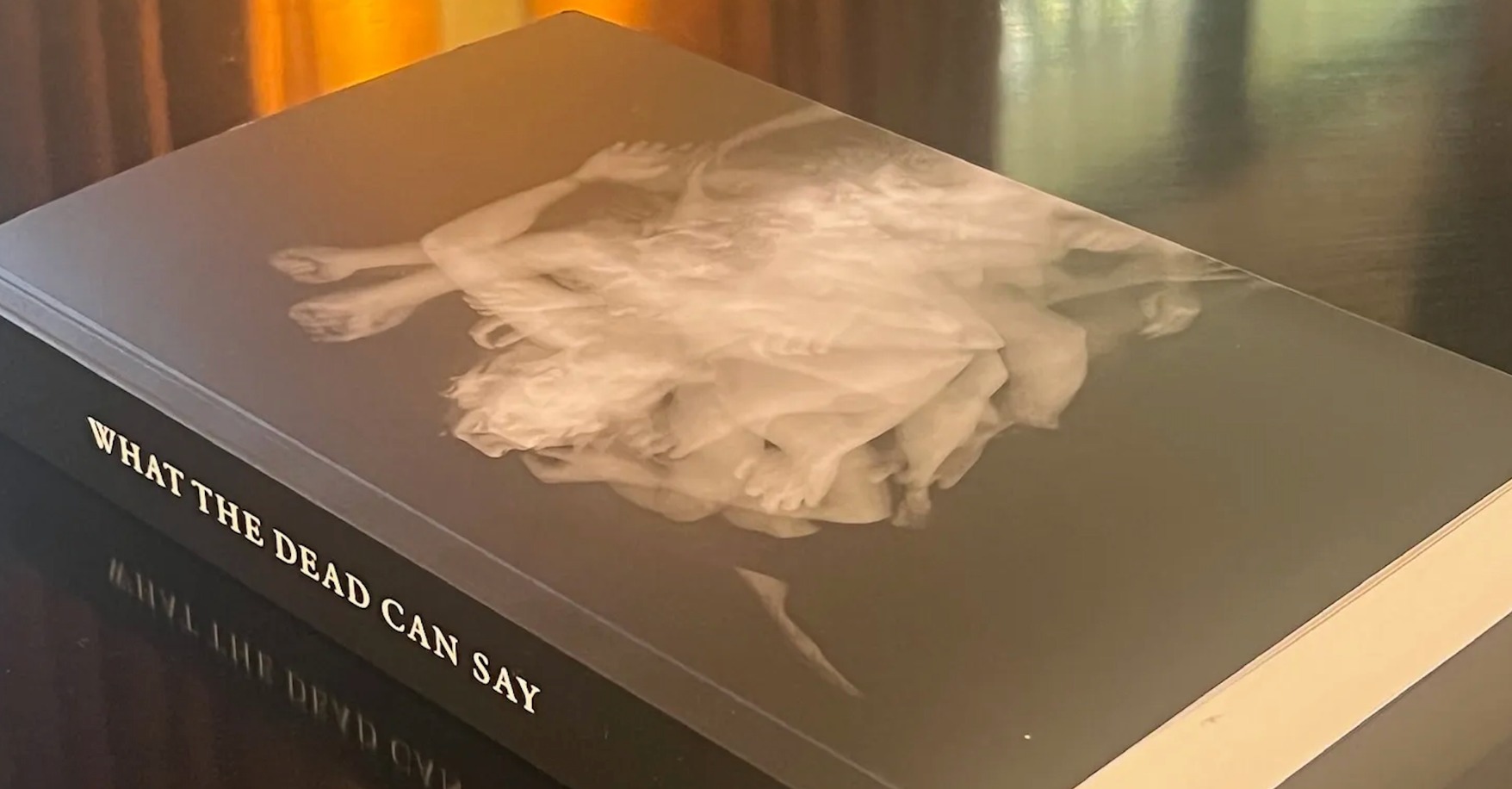 Michele Morano: Philip Graham has long been one of my favorite writers to read and to teach because of his insights, humor, and ability to challenge what we think we see. A versatile author of fiction and nonfiction— whose work has appeared in The New Yorker, Paris Review, Washington Post Magazine, McSweeney’s and elsewhere—Graham chooses subjects that explore the rippling surfaces and deep currents of domesticity at home and abroad. Each of his books illustrates Graham’s powers of perception, interpretation, and experimentation, along with his irrepressible interest in people, the more varied and unlike himself, the better. And each has contributed to the perspective of his latest project.