by Adele A Wilby
The images of a space shuttle lift-off and its propulsion into dark space with its astronauts strapped in, is an awesome site. Likewise, programmes such as Professor Brian Cox’s BBC series ‘Solar System’ that explores the Earth’s planetary neighbours for any signs of life and the potential for human habitability have a similar impact. But my interest in such events and programmes stems not from any idea I might entertain about a future in which human beings in their numbers will one day board space flights and head off to human settlements on Mars or the Moon or any other place that might support human life. Instead, it is the science that has enabled such developments, and the new knowledge to be gained from space exploration I find fascinating and exciting. I am not oblivious to the environmental crisis that the Earth is struggling with and the idea that space settlement might one day be the only alternative to the survival of our species, nor do I view it as a possible escape from the human condition and an opportunity for homo sapiens to have another shot at creating a better world for human existence, nor am I devoid of the spirit of adventure or curiosity that is reputed to characterise being human.
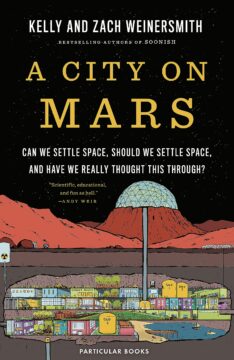
Fundamentally however, my lack of enthusiasm concerning off planet human settlements arises from a real appreciation of life in all its forms on Earth and a preference to deal with the immediate and urgent phenomenal existential issues that humanity confronts daily and, to use a well-worn cliché, make the world a better place for all here, and preferably now. Nevertheless, I am far from averse to learning about the issues involved in space settlements and Kelly and Zach Weinersmiths’ book A City on Mars: Can We Settle Space, Should We Settle Space, and Have we Really thought this Through? provided me with an opportunity to do just that.
The husband-and-wife team, the Weinersmiths, won the 2024 Royal Society Trivedi Science Book Prize with this book, The City of Mars from amongst some stiff competition which included the 2009 Nobel Prize Winner for Chemistry, molecular biologist Venki Ramakrishnan’s Why We Die: The New Science of Ageing and the Quest for Immortality, a must go to book for those interested in the subject. And in a new and refreshing theme on biological sex differences, Cat Bohannon’s Eve: How the Female Body Drove 200 Million Years of Human Evolution, provides us with a comprehensible exposition of the science behind the development of the female sex and its contribution to evolution. To be chosen the winner of the 2024 Science Book Prize from amongst those two brilliant books alone suggests that the Weinersmiths’ book must have something special to offer, and it does. Read more »
 Lorraine O’Grady. Art Is … , Float in the African-American Day Parade, Harlem, September 1983.

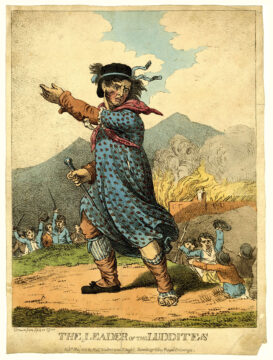
 The world does not lend itself well to steady states. Rather, there is always a constant balancing act between opposing forces. We see this now play out forcefully in AI.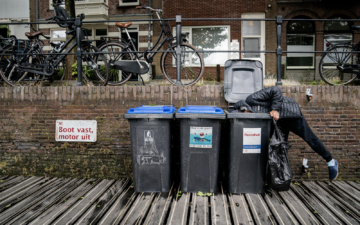
 The sleet falls so incessantly this Sunday that the sky turned a dull gray and we don’t want to go anywhere, my child, his friend and me. We didn’t go to the theater or to the Brazilian Roda de Feijoada and we didn’t even bake cookies at the neighbors’ place, but instead are playing cars on the floor and cooking soup and painting the table blue when the news arrives.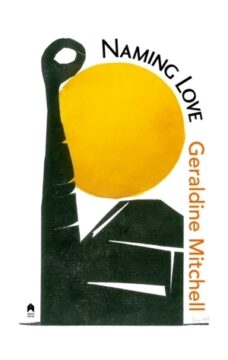



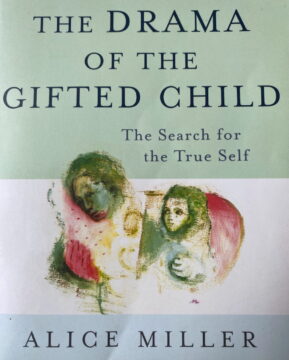
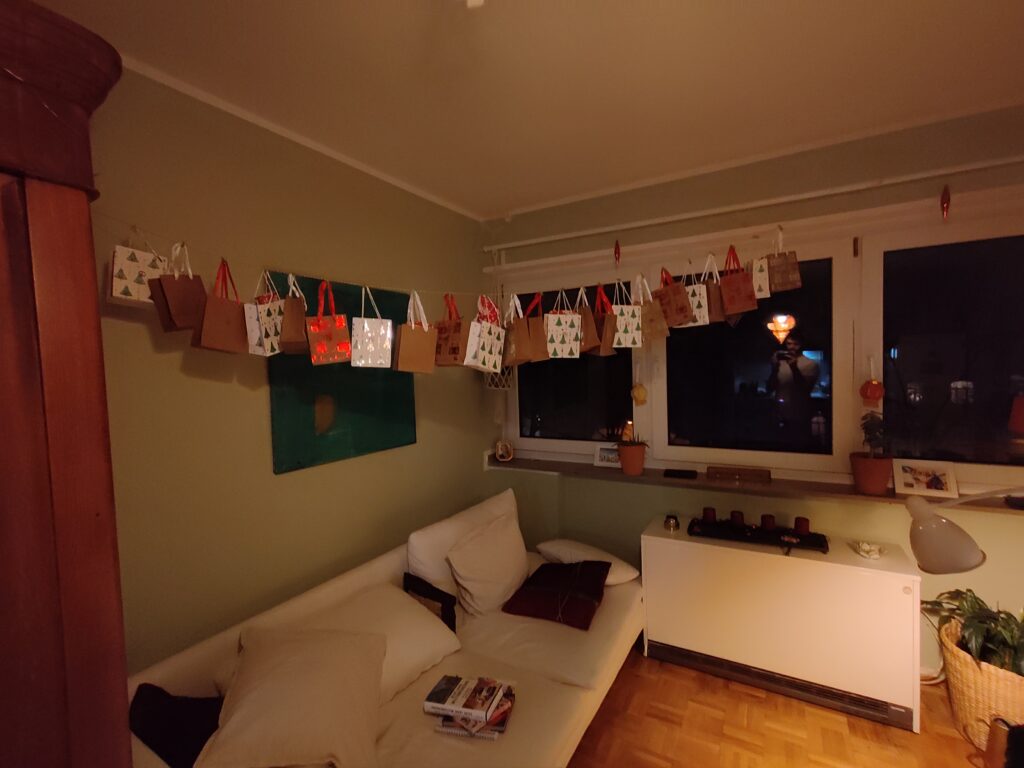
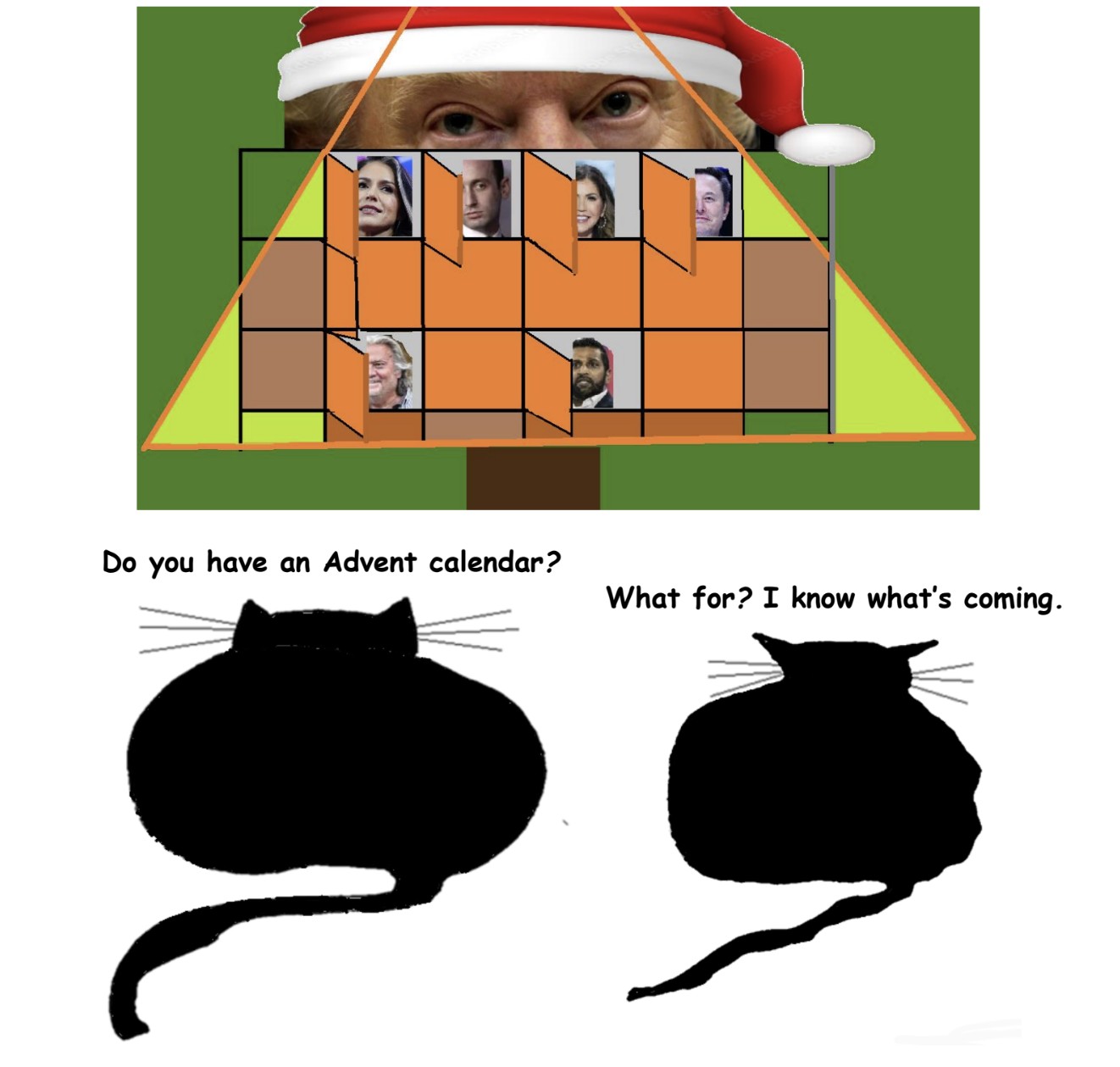
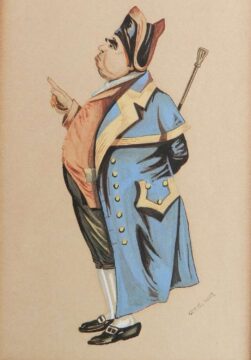 “You were present on the occasion of the destruction of these trinkets, and, indeed, are the more guilty of the two, in the eye of the law; for the law supposes that your wife acts under your direction.”
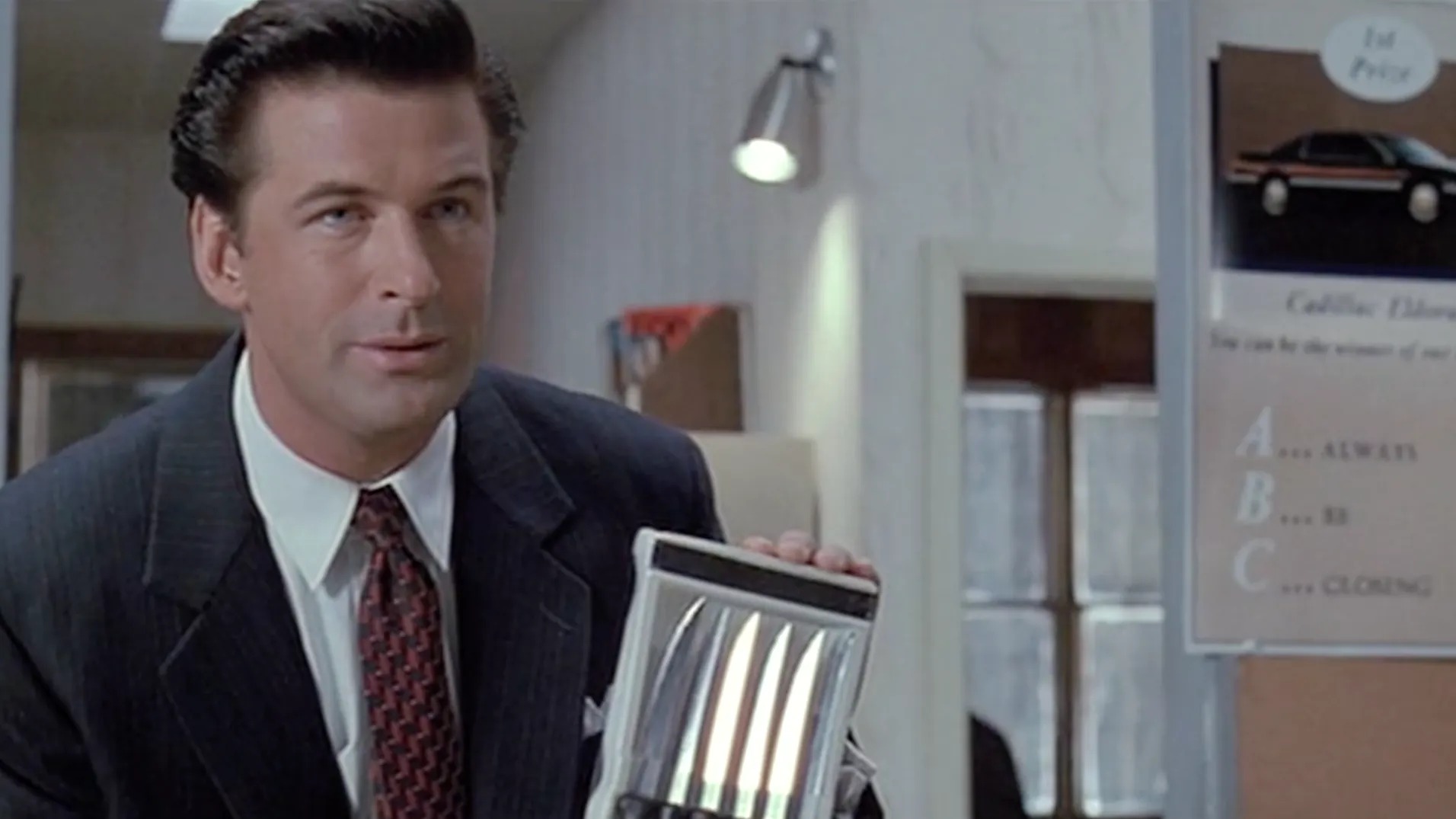 I was recently subjected to an hour of the “All In” Podcast while on a long car ride. This podcast is not the sort I normally listen to. I prefer sports podcasts—primarily European soccer—and that’s about the extent of my consumption. I like my podcasts to be background noise and idle chatter, something to listen to while I do the dishes or sweep the floor, just something to fill the void of silence. On the way to work this morning I had sports talk radio on—the pre-podcast way to fill silence—and they were discussing the physical differences between two football wide receivers—Calvin Johnson and DK Metcalfe—before switching to two running backs—Derrick Henry and Mark Ingram.
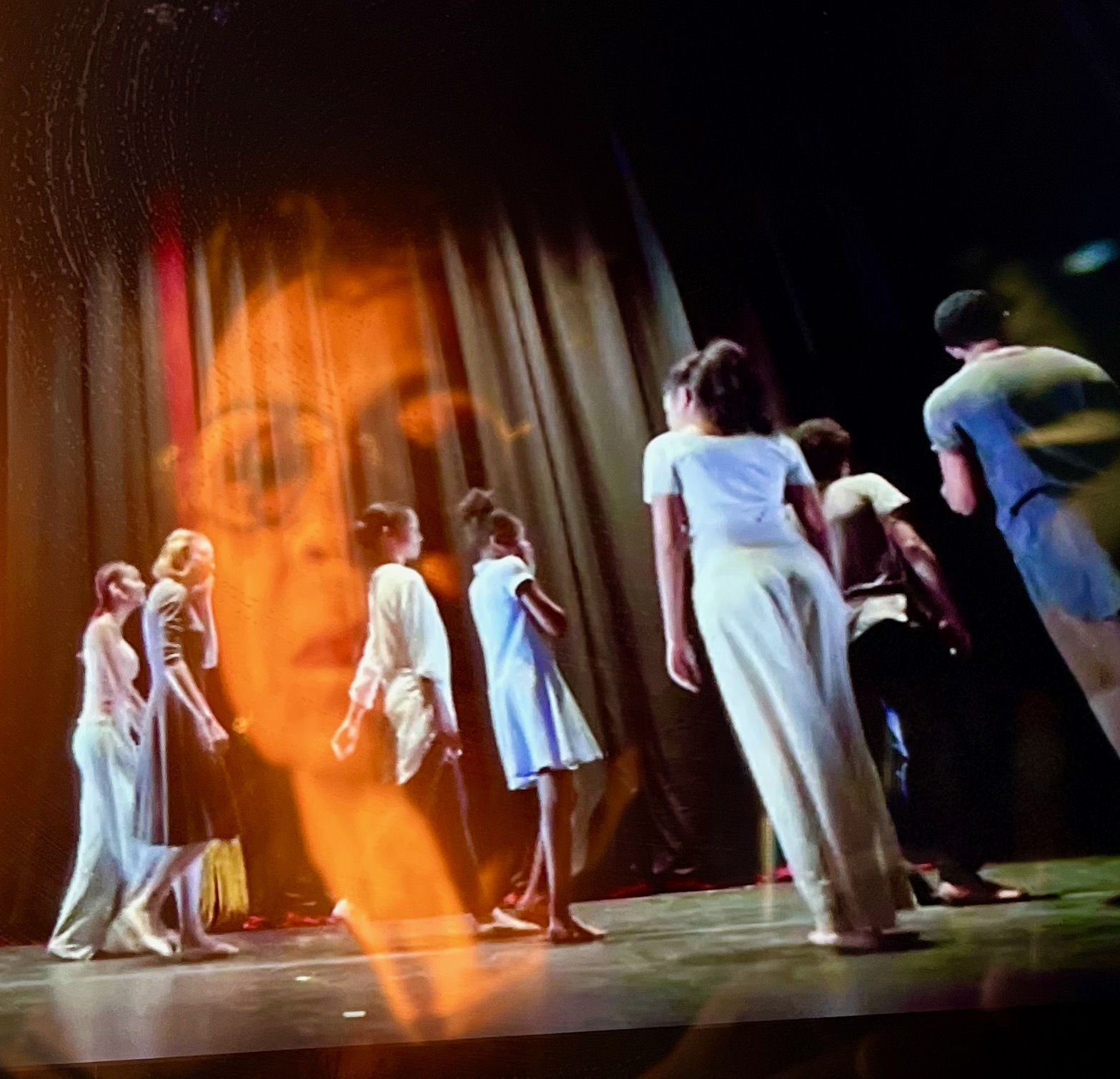 Sughra Raza. Being In the Airplane Movie. Dec 4, 2024.