by Jeroen van Baar
 Humans are beings of staggering complexity. We don’t just consist of ourselves: billions of bacteria in our gut help with everything from digestion to immune response.
In recent years, scientists have started to uncover how this ‘gut microbiome’ shapes a variety of health outcomes including obesity and depression. For instance, when researchers transplanted fecal matter from depressed humans to rats, those rats started showing signs of depression themselves. We’re still unsure why this happens—it could have to do with the production of neurotransmitters, which depends on how food is processed—but the gut microbiome forms a promising horizon of health science.
This has raised the obvious question why the biome in your belly looks the way it does. Where did it come from? We normally assume that the microbiome is mostly shaped by the food we eat. But a new Nature study provides a radical refinement of this story: our social interactions can shape the microbial communities living inside us.
The study involved mapping the social networks and sequencing the microbiomes of 1,787 adults in 18 isolated villages in Honduras. Participants were asked to self-collect stool samples, which were stored in liquid nitrogen and shipped to the USA for analysis. A detailed survey and photographic census helped participants identify their social connections, including their friends and family.
Analyzing the data, the research team found that the gut microbiome looked the most similar between members of the same household: they shared up to 14% of the microbial strains in their guts. However, even friends who see each other regularly shared about 8% of strains, while strangers from the same village shared only 4%. Microbiome similarity even extended to friends of friends, forming potential transmission chains that spread strains within communities. Read more »

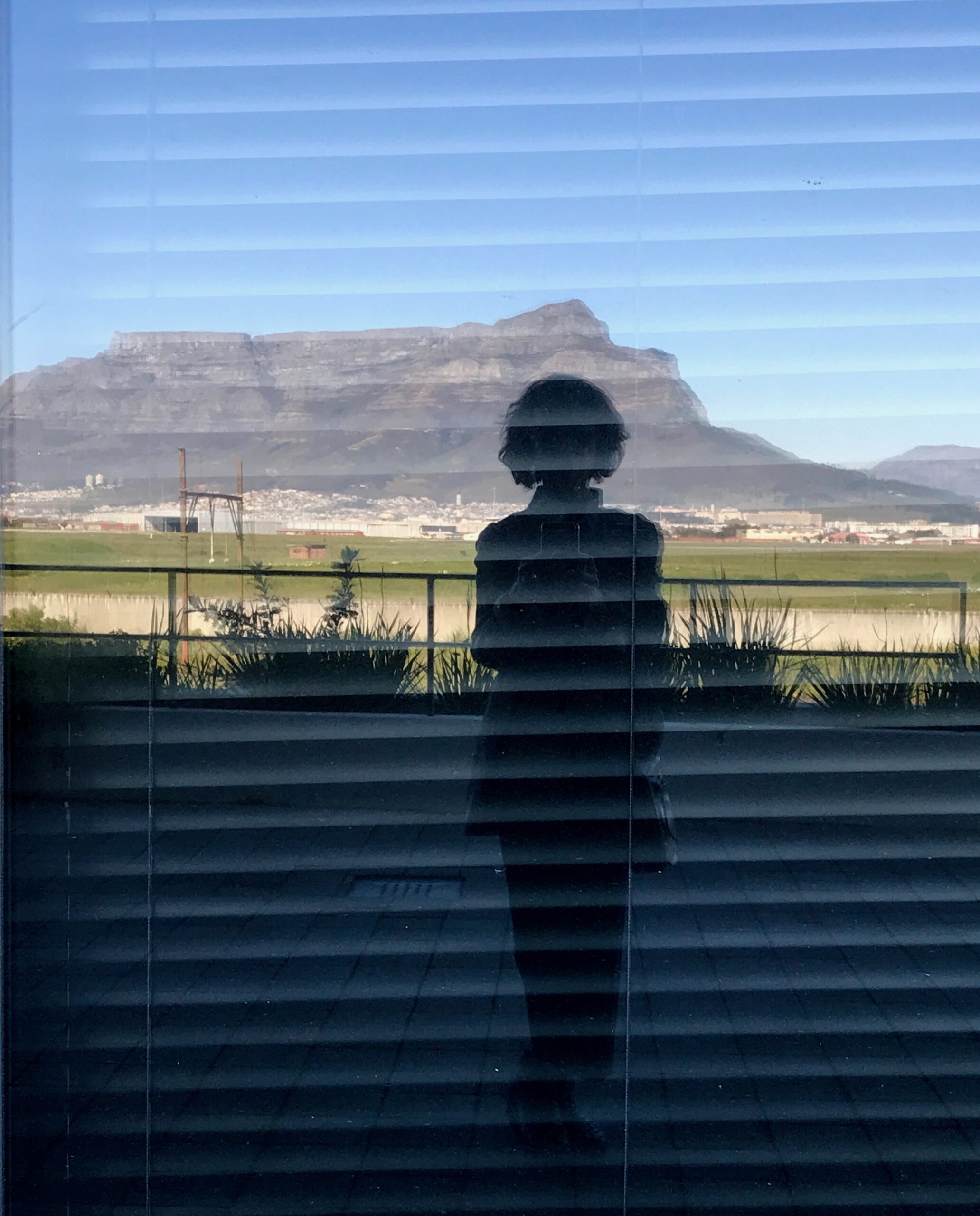 Sughra Raza. Self Portrait Against Table Mountain. August, 2019.
 Much philosophical writing about food has included discussions of whether and why food can be a serious aesthetic object, in some cases aspiring to the level of art. These questions often turn on whether we create mental representations of flavors and textures that are as orderly and precise as the representations we form of visual objects.



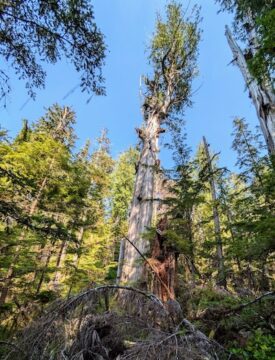 The tree was immense even by local standards: a western red cedar that might have been a thousand years old. A botanist would want to measure it; I only wanted to touch its wrinkled face, or kneel among the roots and capture a dramatic snapshot looking up along the trunk. But it was fifty paces away and I couldn’t get there.

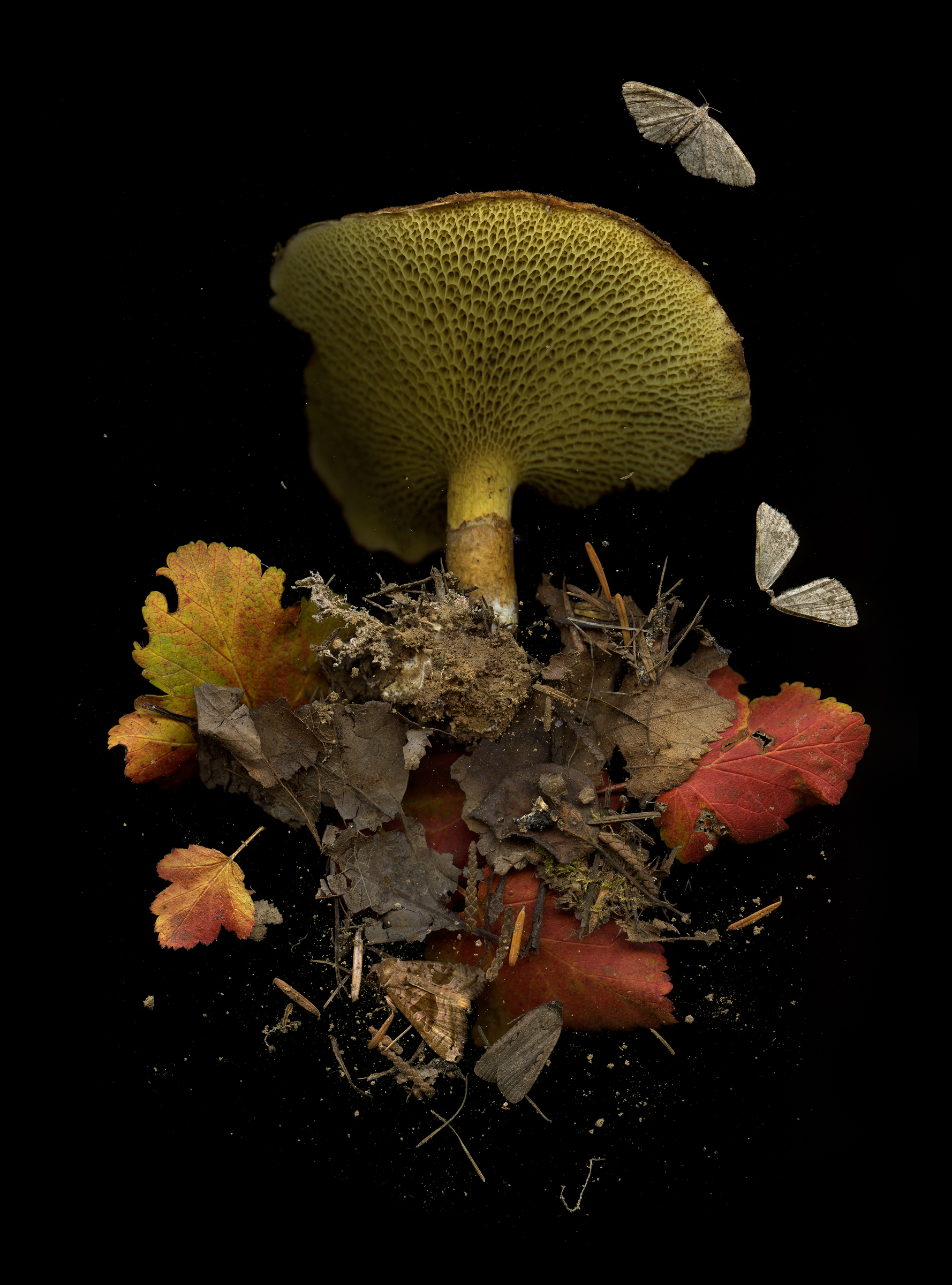 Julya Hajnoczky. Boletinellus Merulioides
 Maybe it’s defeat in a short, sharp war far from home. Maybe Russia captures Ukraine, or China attacks Taiwan. Maybe nothing happens yet, maybe it’s four or eight years away, but however the big change comes we’ll all agree the signs were there all along.