by Richard Farr
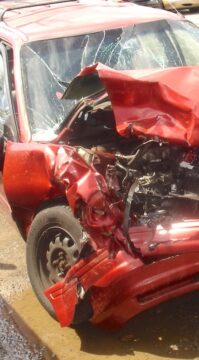 After I moved from the UK to the US it took me only a couple of years to cede to my friends’ pleas and start driving on the right. When in Rome, and all that. But I still like to irritate Americans by maintaining that we Brits are better at this essential mechanical skill. I mean, when we drive, we drive. Or, OK, we drive while texting, shaving, putting on makeup, or having sex. However, we absolutely draw the line at driving with a gallon of Coke in one hand and a three-pound tub of fries clutched between our sweating thighs, while using a dripping Deluxe Double Bacon MegaBurger with Extra Pepper Jack as the sole point of contact with the steering wheel.
My wife still teases me about my unwillingness to eat while driving, and conceivably I’m wrong to suspect that getting a spear of dill pickle in the eye increases accident rates on American roads. But on a related safety issue my prejudices have been given support recently both by unimpeachably anecdotal evidence and, better yet, a random video I found on YouTube.
The typical American freeway has three to five lanes. (If nineteen, you’re in L.A.) Widespread laws ban trucks from the far left lane. A large majority of states have at least something on the books requiring all traffic to move over unless exiting or overtaking. Even those members of the Union in a primitive stage of legal development (Hello CA! Hello MA!) at least encourage this behavior, because everyone who’s ever thought about it agrees that “lane discipline” improves both efficiency and safety.
Yet many American drivers seem never to have thought about it. Whether burger-steering at the speed limit or at that most annoying 4 mph less, they love to camp out in the middle lane or even the left one, sometimes for days at a stretch, strenuously exercising their Constitutional right never to look in the mirror or exhibit any awareness of the traffic around them. Recently on I-5 near Seattle my car and several others were stuck for miles, at sixty-something in a seventy limit, behind three cars that were flying next to one another as if in formation, one per available lane. It was like trying to shop in a hurry at Costco on Saturday.
A video explainer by Christophe Haubursin and Joseph Stromberg, available on Youtube, confirms my darkest suspicions: this one particular national driving tradition / habit / symptom / affliction / pathology, so immediately striking to foreigners, (a) messes with the national blood pressure averages, (b) makes Eisenhower’s magnificent highway system far less efficient than it might be, and (c) kills large numbers of people. Read more »
 Sughra Raza. Ephemeral Apartment Art. Boston January 4, 2025.
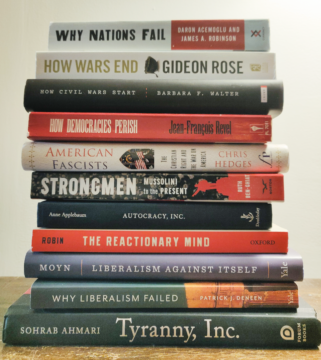 The same media that warned us against Donald Trump now warn us against tuning out. Though our side has lost, we must now ‘remain engaged’ with the minutiae of Mike Johnson’s majority


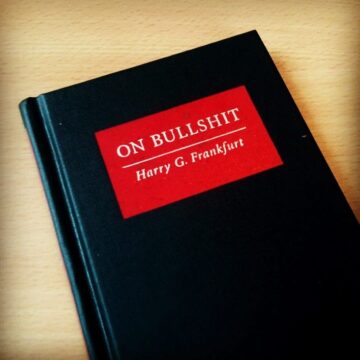
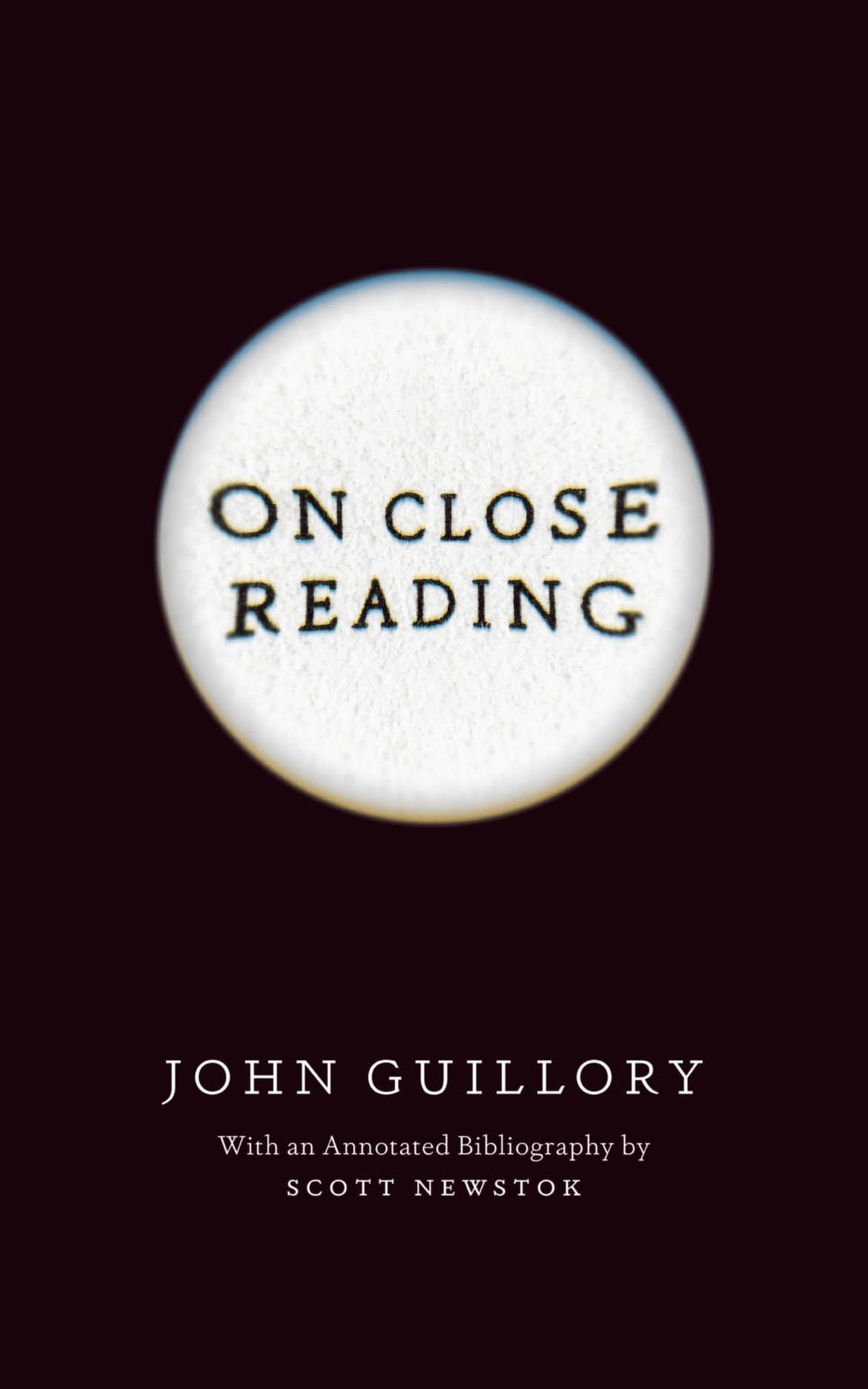 What do swimming, running, bicycling, dancing, pole jumping, tying shoelaces, and reading all have in common? According to John Guillory’s new book On Close Reading, they are all cultural techniques; in other words, skills or arts involving the use of the body that are widespread throughout a society and can be improved through practice. The inclusion of reading (and perhaps, tying shoelaces) may come as a surprise, but it is Guillory’s goal in this slim volume to convince us that reading, and in particular, the practice of “close reading,” is a technique just like the others he mentions. This is his explanation for the questions he explores throughout the book—namely, why the practice of “close reading” has resisted precise definition, and why the term itself was so seldom used by the New Critics, the group of theorists most associated with it.
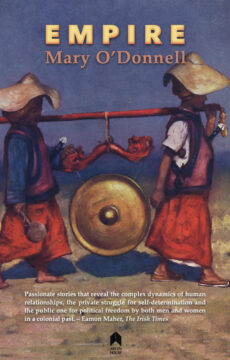 A number of books published in Ireland in the past few years relate to the centenaries of the First World War and the fight for Irish independence. Apart from being an opportunity to sell books, the conjuncture afforded readers an opportunity to reflect while delving into a receding page of history. Mary O’Donnell’s narrative collection Empire includes interlinked short stories dealing with the revolutionary period, along with a novella-length title piece. Notwithstanding its historical tie-in and informative potential, the true raison d´être of this book is the pleasure of reading.
 When I started as a Monday columnist at 3 Quarks Daily in July of last year, my debut
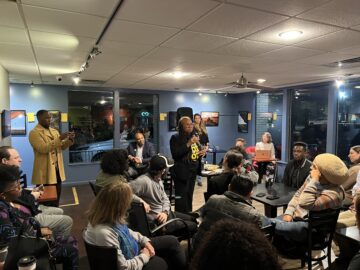



 Sughra Raza. Approaching Washington, November 2024.