by Rachel Robison-Greene

Last weekend in Northern Utah, the fall colors in the mountains were at their peak. The days were still hot, but the mornings and evenings were cool. The sun was beginning to set a little earlier and most of the doorsteps in our quiet town were peppered with multicolored autumn gourds. An old movie theater downtown, built in 1924 in art deco style, was showing Alfred Hitchcock’s Psycho. My husband and I decided to go.
Before the film, the theater featured “previews” of older Halloween movies: trailers for the original Halloween, Pet Sematary, and both of the original Ghostbusters films. The evening kicked off with a screening of the Michael Jackson music video Thriller. Clutching my cheap, overly salted popcorn and my flat Diet Coke, I sank into a comfortable nostalgia.
One straightforward way in which nostalgia is pleasant is that it involves memories of things that we once enjoyed but perhaps have not kept present before our minds. I don’t think this is all there is to it. I noticed that nostalgia, on this occasion, was not only comfortable—it felt like a relief. An escape. Being present in the current moment is hard work. One of the reasons that nostalgia is pleasant is that it presents us with all of the desirable parts of having an identity without any of the unpleasant responsibilities of crafting it. We can take advantage of the asymmetrical relation in which we stand to our past selves on one hand and our future selves on the other.
When I look to the future I wonder: will I have an identity that I recognize and endorse? In philosopher Bernard Williams’ famous paper “The Makropulos Case: Reflections on the Tedium of Immortality,” he tells the story of an opera by the same name in which Elina Makropulos, a woman born in the 16th century was given an elixir of life by her court physician father. So long as she goes on taking the elixir, she goes on living. The opera is set in the contemporary era, and Elina has become desperately bored. “It is all the same” she laments, “singing and silence.”
Williams uses Elina’s case to argue that immortality would be undesirable. Inevitably, we would all either become suicidally bored or we would change so much that we wouldn’t recognize ourselves—we’d turn into people our past selves wouldn’t relate to or endorse. In the worst case, we might even turn into people who we’d rather die than become. In the end, Elina gives up on the prospect of immortality, stops taking the elixir, and dies. Read more »
 In her provocative, genre-defying book,
 There is a
  Drug overdose deaths have more than doubled in America in the past 10 years, mainly due to the appearance of Fentanyl and other synthetic opioids. These drugs combine incredible ease of manufacture with potency in tiny amounts and dangerousness (the tiniest miscalculation in dosage makes them deadly).

 Death has stalked me of late, claiming those whom I was once close to, or who remained closest to those who are closest to me.
 Sometimes, when you least expect to, you learn something about your country and the toll it has imposed on certain of its citizens. In ancient times these learnings weren’t so serendipitous. During WWII, for example, you would have known folks on your block who served and came back. And some who didn’t come back.



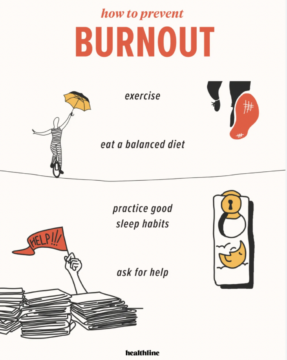 I started reading about burnout when I walked away from teaching earlier than expected. Suddenly, I couldn’t bring myself to open that door after over thirty years of bounding to work. A series of events wiped away any sense of agency, fairness, or shared values. Their wellness lunch-and-learns didn’t help me, and I soon discovered I’m not alone.