
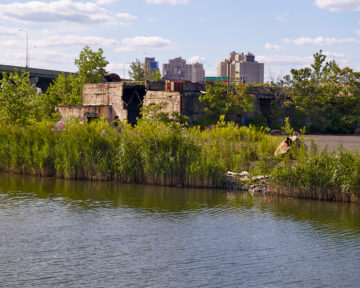
 Jersey City is a medium-size city on the West bank of the Hudson River across from Lower Manhattan. Up through the middle of the 20th century it was a port and a railroad hub but that disappeared when containerized freighter became too deep to travel that far up New York Bay. Without any freighters the railroads were no longer needed. Light industry disappeared as well. Jersey City became back-offices and bedrooms to Manhattan-based business.
In the 19th century the Morris Canal carried coal from Eastern Pennsylvania to the Hudson River at Jersey City. Most of the canal has been filled in, but the eastern-most bit remains. You can see it in the photo to the upper right. The small building to the left of center is an abandoned industrial building of some kind. As you can see various walls have collapsed, as has part of the roof.
When you get closer you can will that the walls are marked with graffiti, which I saw when I first approached the building in the middle of 2011. The graffiti changed from week to week and month to month. It is for that reason that I took to thinking of it as the ‘urban design studio.’ This is the south wall; the Morris Canal is behind us and the Hudson River is about a quarter mile to the right. Read more »
 We have slid almost imperceptibly and, to be honest, gratefully, into a world that offers to think, plan, and decide on our behalf. Calendars propose our meetings; feeds anticipate our moods; large language models can summarize our desires before we’ve fully articulated them. Agency is the human capacity to initiate, to be the author of one’s actions rather than their stenographer. The age of AI is forcing us to answer a peculiar question: what forms of life still require us to begin something, rather than merely to confirm it? The best answer I’ve been able to come up with is that we preserve agency by carving out zones of what the philosopher



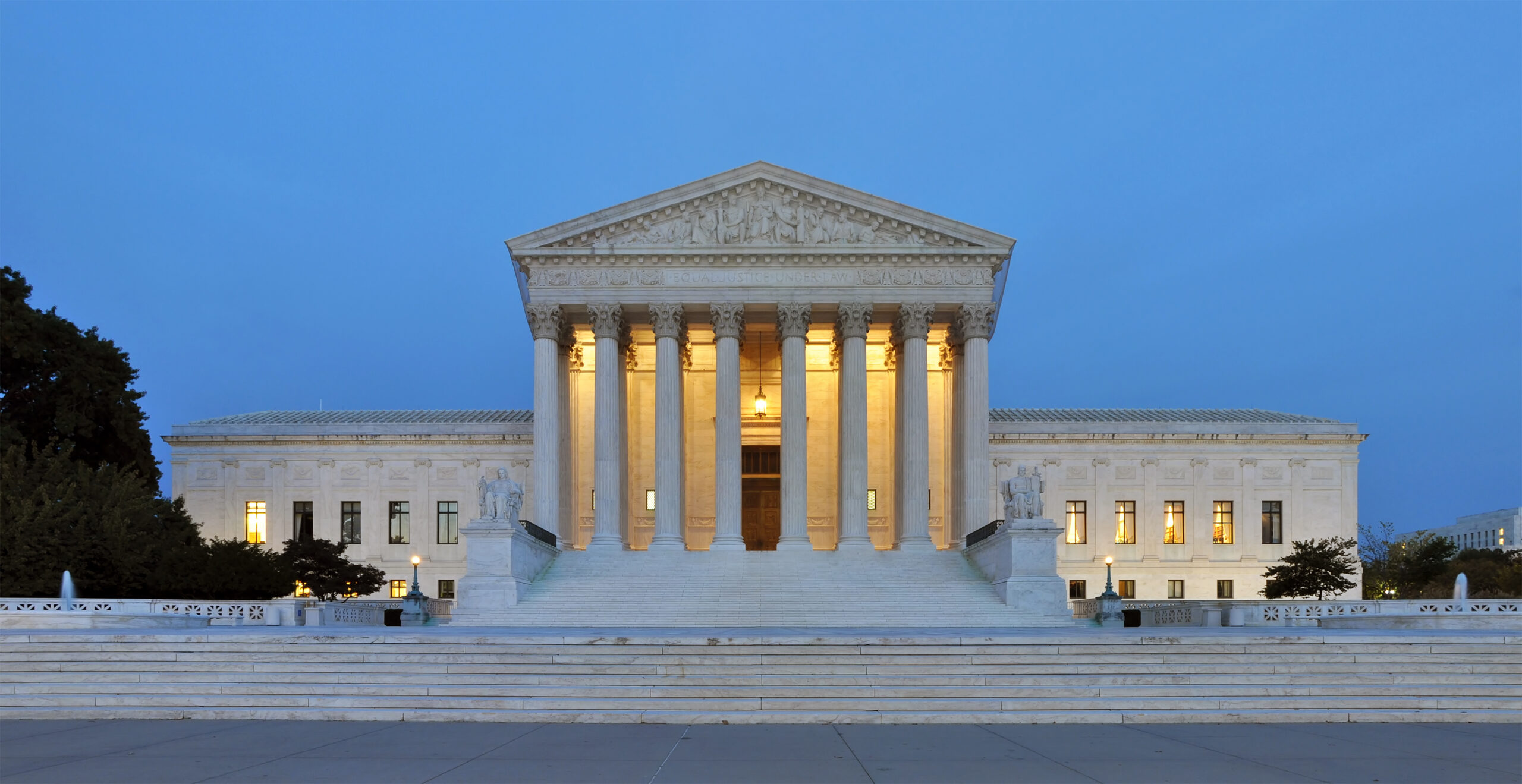 When promoting her new book in September, Supreme Court Justice Amy Coney Barrett stated in an interview as quoted in Politico : “I think the Constitution is alive and well.” She went on – “I don’t know what a constitutional crisis would look like. I think that our country remains committed to the rule of law. I think we have functioning courts.”
 During covid, amid the maelstrom that was American healthcare, a miracle happened. State medical boards suspended their cross-state licensure restrictions.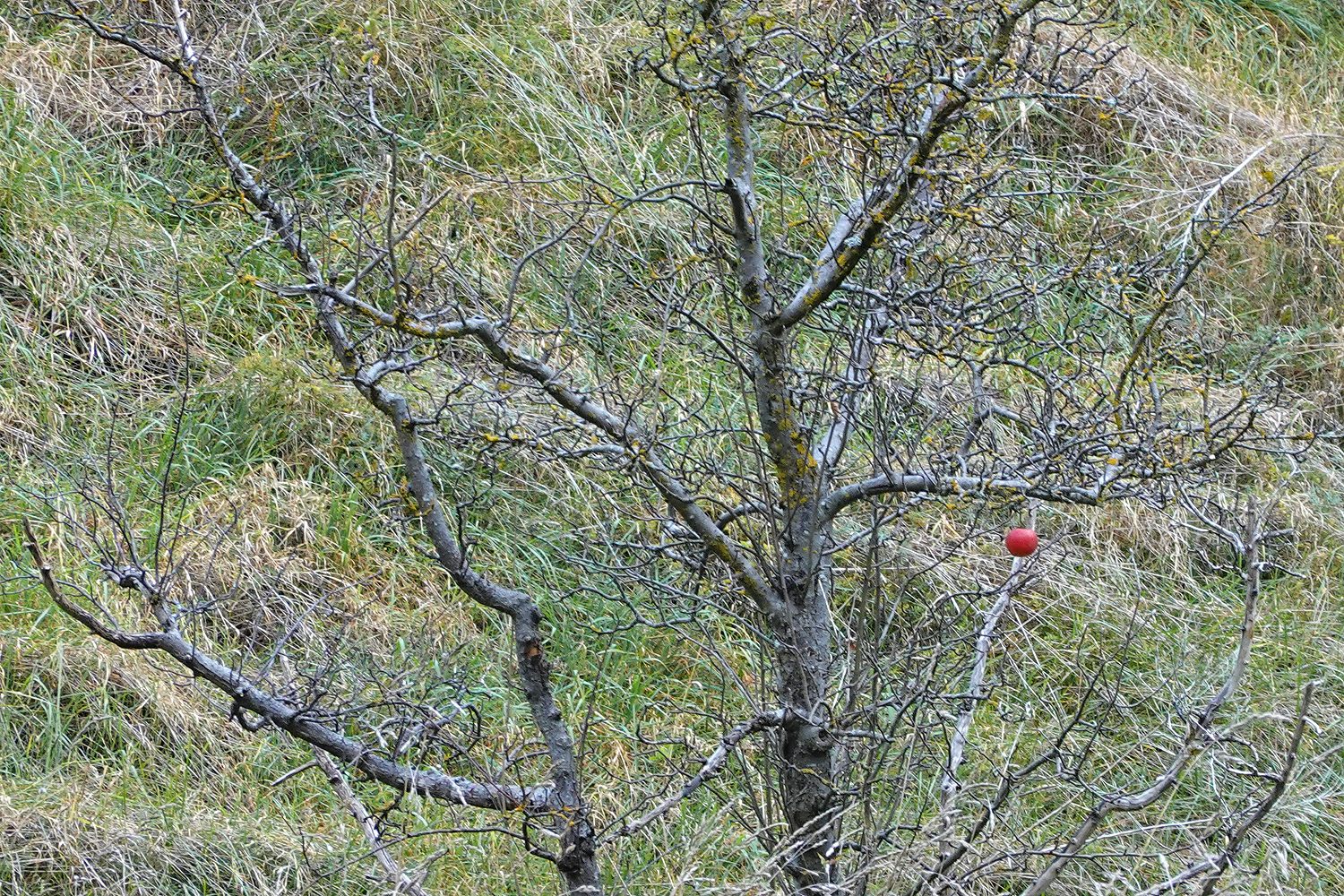

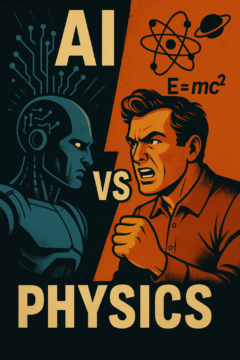 There has long been a temptation in science to imagine one system that can explain everything. For a while, that dream belonged to physics, whose practitioners, armed with a handful of equations, could describe the orbits of planets and the spin of electrons. In recent years, the torch has been seized by artificial intelligence. With enough data, we are told, the machine will learn the world. If this sounds like a passing of the crown, it has also become, in a curious way, a rivalry. Like the cinematic conflict between vampires and werewolves in the Underworld franchise, AI and physics have been cast as two immortal powers fighting for dominion over knowledge. AI enthusiasts claim that the laws of nature will simply fall out of sufficiently large data sets. Physicists counter that data without principle is merely glorified curve-fitting.
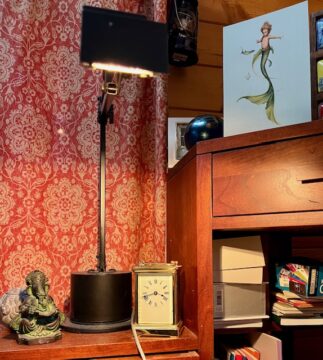 The smallest spider I’ve ever seen is slowly descending from the little metal lampshade above my computer. She’s so tiny, a millimeter wide at most, I have to look twice to make sure she isn’t just a speck of dust. The only reason I can be certain that she’s not is that she’s dropping straight down instead of floating at random.
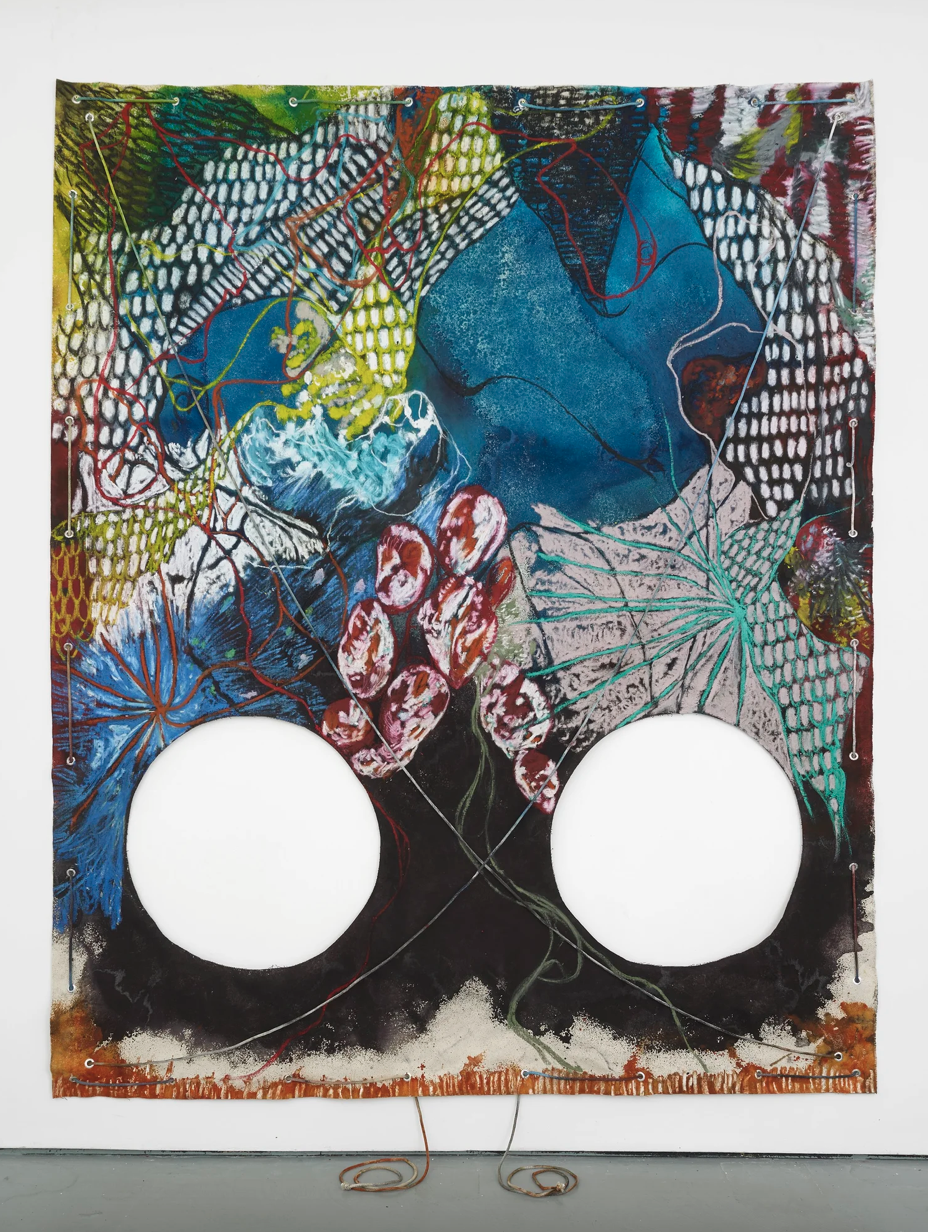 Naotaka Hiro. Untitled (Tide), 2024.
 In a previous essay,
 1972, Jim Culleny
 Isn’t it time we talk about you?